
Call us now :08071630254
 Send Inquiry
 Send Inquiry
1681
1681 Specification
- Application
- Food additives, thickening agent, gelling agent, pharmaceutical, textile, printing
- Shelf Life
- 2 years
- Appearance
- Off-White to Light Yellow Powder
- Purity
- 99%
- Molecular Weight
- Variable (depends on polymerization)
- Taste
- Odorless or Slightly Salty
- Solubility
- Soluble in water, forms viscous solution
- Melting Point
- >200°C (decomposes)
- Product Type
- Chemical Compound
- Smell
- Odorless
- Ph Level
- 6.0 - 8.0 (1% solution)
- Structural Formula
- Repeating units of sodium alginate
- Storage
- Store in cool, dry place in tightly sealed container
- Properties
- Excellent thickener, stabilizer, emulsifier. Retains water and forms gels.
- CAS No
- 9005-27-0
- Molecular Formula
- (C6H7O6Na)n
- EINECS No
- 232-680-1
- Grade
- Food Grade / Industrial Grade
- Usage
- Used as thickener, stabilizer and gelling agent in food, pharmaceuticals, and industrial processes
- Ingredients
- Alginic Acid Derived from Brown Seaweed
- Shape
- Fine Powder
- Density
- 0.6 Gram per cubic centimeter(g/cm3)
- Physical Form
- Powder
- Poisonous
- Non-Poisonous
- HS Code
- 13023900
- Viscosity (1% solution)
- 200 mPa.s
- Arsenic Content
- 2 mg/kg
- Color
- Cream to yellowish
- Moisture Content
- 15%
- Microbial Specification
- Total Plate Count 5000 cfu/g
- Loss on Drying
- 15.0%
- Lead Content
- 2 mg/kg
- Particle Size
- 80-100 mesh
1681 Trade Information
- Packaging Details
- Carton and Poly Bag.
About 1681
Select 1681, a preeminent and sought-after food and industrial grade alginic acid sodium salt powder, derived from high-quality brown seaweed. With a fine particle size of 80-100 mesh, it boasts invincible thickening, stabilizing, and emulsifying properties. This non-poisonous, odorless powder offers a purity of 99% and stable viscosity (200 mPa.s), ideal for diverse applications like food additives, pharmaceuticals, textiles, and printing. Its superior water retention, gel formation, and excellent safety profile make 1681 a preferred choice among suppliers and traders in India. Store in a cool, dry place for optimal shelf life.
1681: Advantages, Application Method & Uses
1681 stands out for its unrivaled thickening, gelling, and stabilizing capabilities, making it a versatile solution for food, pharmaceutical, and industrial applications. To apply, dissolve the powder thoroughly in water to form a viscous gel. Use in soup stabilization, dessert gelling, tablet binding, or textile printing. Sought-after for its efficacy and neutrality, 1681 simplifies processes and ensures optimal product consistency across multiple industries.
1681 Trading Details: FOB, Payment & Supply
1681 is available for sale with flexible FOB port options across India to facilitate streamlined shipping. Secure your order with negotiable payment terms, including advance and LC, and request a detailed quotation or asking price tailored to your requirement. Thanks to robust supply ability and prompt dispatching, 1681 meets demand swiftly for both bulk and routine orders, earning its place as a preferred choice among buyers and traders.
1681: Advantages, Application Method & Uses
1681 stands out for its unrivaled thickening, gelling, and stabilizing capabilities, making it a versatile solution for food, pharmaceutical, and industrial applications. To apply, dissolve the powder thoroughly in water to form a viscous gel. Use in soup stabilization, dessert gelling, tablet binding, or textile printing. Sought-after for its efficacy and neutrality, 1681 simplifies processes and ensures optimal product consistency across multiple industries.
1681 Trading Details: FOB, Payment & Supply
1681 is available for sale with flexible FOB port options across India to facilitate streamlined shipping. Secure your order with negotiable payment terms, including advance and LC, and request a detailed quotation or asking price tailored to your requirement. Thanks to robust supply ability and prompt dispatching, 1681 meets demand swiftly for both bulk and routine orders, earning its place as a preferred choice among buyers and traders.
FAQs of 1681:
Q: How should 1681 be stored to maintain its effectiveness?
A: 1681 should be stored in a cool, dry place in a tightly sealed container to preserve its quality and extend its shelf life.Q: What are the primary applications for 1681 in various industries?
A: 1681 is widely used as a thickener, stabilizer, and gelling agent in food processing, pharmaceuticals, textiles, and printing industries due to its versatile functional properties.Q: Where does 1681 derive its preeminent functionality from?
A: 1681 derives its exceptional functioning from pure alginic acid extracted from brown seaweed, granting it superior water retention and gel-forming abilities.Q: What is the process for preparing 1681 for industrial applications?
A: To use 1681, the powder should be steadily dissolved in cold or warm water to form a uniform viscous or gel solution, suitable for direct application in various products.Q: When can I expect the dispatching of my 1681 order post-quotation acceptance?
A: Once the quotation is accepted and payment terms finalized, dispatching of 1681 is typically prompt, ensuring timely supply according to your requested schedule.Q: How does 1681 benefit manufacturers in food and pharmaceutical industries?
A: 1681 enhances product texture, stability, and shelf life, making it highly beneficial for manufacturers aiming to improve product quality and consistency.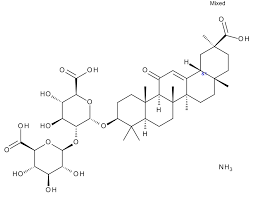
Tell us about your requirement

Price:
Quantity
Select Unit
- 50
- 100
- 200
- 250
- 500
- 1000+
Additional detail
Mobile number
Email

More Products in Analytical Grade Chemicals Category
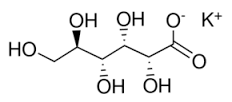
Conductivity Standard - 75 mhos/cm
Price 100 INR
Minimum Order Quantity : 1 , , Kilograms
Molecular Weight : 58.44 g/mol (NaCl)
Molecular Formula : NaCl in H2O
Appearance : Clear, colorless liquid
Purity : 99.99% (sodium chloride in purified water)
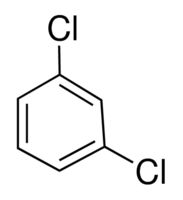
1,3-Dichlorobenzene solution
Price 100 INR
Minimum Order Quantity : 1 Kilograms
Molecular Weight : 147 Grams (g)
Molecular Formula : C6H4Cl2
Appearance : Colorless or white crystalline solid
Purity : 99.8%
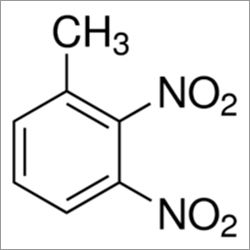
2, 3-Dinitrotoluene
Price 100 INR
Minimum Order Quantity : 1 Kilograms
Molecular Weight : 182.134 Grams (g)
Molecular Formula : C7H6N2O4
Appearance : pale yellow crystalline solid
Purity : 98%
Indium Standard for ICP-MS
Price 100 INR
Minimum Order Quantity : 1 Kilograms
Molecular Weight : 114.818 u
Molecular Formula : In
Purity : 96%

 Send Inquiry
Our Products


Kesarkunj, Rm No. 9, Vasanji Lalji Road, Kandivali (W), Mumbai - 400067, Maharashtra, India

Mr Nilesh Shah
(Director)
Mobile :08071630254
 Send Inquiry
 Send SMS
 Call Me Free
Developed and Managed by Infocom Network Private Limited.
