
Call us now :08071630254
 Send Inquiry
 Send Inquiry
Bisphenol A bis(3-chloro-2-hydroxypropyl) ether
MOQ : 1 Kilograms
Bisphenol A bis(3-chloro-2-hydroxypropyl) ether Specification
- EINECS No
- 255-861-2
- Density
- 1.29 Gram per cubic centimeter(g/cm3)
- Appearance
- Clear to pale yellow liquid
- Purity
- >98%
- Physical Form
- Liquid
- Grade
- Industrial Grade
- Poisonous
- YES
- HS Code
- 39073000
- Molecular Formula
- C21H24Cl2O4
- Product Type
- Chemical Compound
- Storage
- Store in a cool, dry, and well-ventilated place, away from direct sunlight and incompatible materials
- Ingredients
- Bisphenol A, Epichlorohydrin
- Shape
- Liquid
- Melting Point
- <20C (liquid at room temperature)
- Molecular Weight
- 427.32 g/mol
- Smell
- Faint characteristic odor
- Properties
- Excellent chemical stability; Good solubility in common solvents; Used as an epoxy resin modifier and intermediate for other chemicals
- Refractive Rate
- 1.566~1.573
- Usage
- Used as a reactive diluent in epoxy resins and as an intermediate for various chemical syntheses
- Solubility
- Soluble in acetone, ether, ethanol, and most organic solvents
- Shelf Life
- 12 months in original packaging
- Structural Formula
- (See image for detailed structure)
- CAS No
- 42563-58-8
- Application
- Epoxy resin modifier, chemical intermediate, coating, adhesive, composite material
- Viscosity
- 500-800 mPas at 25C
- Stability
- Stable under normal temperature and pressure
- Packaging
- 250 kg drums, IBC containers, or bulk
- Flash Point
- >200C (closed cup)
- Boiling Point
- Decomposes before boiling
- Hazard Class
- Not classified as dangerous for transport
Bisphenol A bis(3-chloro-2-hydroxypropyl) ether Trade Information
- Minimum Order Quantity
- 1 Kilograms
- Payment Terms
- Cash in Advance (CID), Cash Advance (CA)
- Supply Ability
- 500 Kilograms Per Month
- Delivery Time
- 3-4 Week
- Sample Available
- Yes
- Sample Policy
- Sample costs shipping and taxes has to be paid by the buyer
- Main Export Market(s)
- Western Europe, Asia, Middle East, Eastern Europe, Africa, South America, Australia, Central America, North America
- Main Domestic Market
- All India
About Bisphenol A bis(3-chloro-2-hydroxypropyl) ether
Bisphenol A bis(3-
Synonym: 2,2-Bis[4-(3-chloro-2-hydroxypropoxy)phenyl]propane, BADGE-2HCl
Empirical Formula (Hill Notation): C21H26Cl2O4
Molecular Weight: 413.33
CAS Number: 4809-35-2
| grade | analytical standard |
| assay | 97.0% (HPLC) |
| form | neat |
| application(s) | HPLC: suitable |
| gas chromatography (GC): suitable | |
| format | neat |
Key Features and Applications
Bisphenol A bis(3-chloro-2-hydroxypropyl) ether is prized in the chemical industry for its stability and solubility. As a reactive diluent and intermediate, it is integral for modifying epoxy resins, lending greater versatility to coatings, adhesives, and composites. Its compatibility with common solvents and excellent chemical properties support its use in various industrial processes, particularly where high-performance materials are needed.
Safe Handling and Storage
The compound is stable and non-flammable under standard conditions, with a flash point above 200C. For safety, it must be stored away from direct sunlight and incompatible materials, in cool and ventilated environments. Proper storage preserves its purity and extends its usable life up to 12 months. While not classified as dangerous for transport, it is toxic and should be handled using appropriate safety measures.
FAQs of Bisphenol A bis(3-chloro-2-hydroxypropyl) ether:
Q: How should Bisphenol A bis(3-chloro-2-hydroxypropyl) ether be safely stored and handled?
A: Store this liquid in a cool, dry, and well-ventilated area, away from direct sunlight and incompatible substances. Use personal protective equipment when handling, as the chemical is toxic. Ensure containers are tightly closed and labeled properly to prevent accidental exposure or contamination.Q: What are the main uses of Bisphenol A bis(3-chloro-2-hydroxypropyl) ether in industrial applications?
A: It is mainly utilized as a reactive diluent in epoxy resin formulations, functioning as a modifier to enhance mechanical and chemical properties in coatings, adhesives, and composite materials. Additionally, it serves as an intermediate in the synthesis of various chemicals.Q: When does this product decompose, and what are its key thermal properties?
A: Bisphenol A bis(3-chloro-2-hydroxypropyl) ether decomposes before boiling, and its flash point exceeds 200C (closed cup). It remains stable under normal temperature and atmospheric pressure but should not be subjected to extreme heat or incompatible chemicals.Q: Where can Bisphenol A bis(3-chloro-2-hydroxypropyl) ether be sourced and how is it packaged?
A: This chemical is supplied and traded in India by various chemical distributors. It is available in 250 kg drums, IBC containers, or bulk quantities, which are suitable for industrial usage and easy transportation.Q: What are the benefits of using this compound as an epoxy resin modifier?
A: Utilizing this compound as an epoxy resin modifier significantly improves the durability, chemical resistance, and flexibility of the final product. Its excellent compatibility with organic solvents enables broader formulation possibilities for high-performance coatings and adhesives.Q: How long is the shelf life of Bisphenol A bis(3-chloro-2-hydroxypropyl) ether and what affects it?
A: When stored in its original packaging and under recommended conditions, the shelf life is up to 12 months. Exposure to heat, moisture, or incompatible materials may degrade its quality and shorten its effective shelf life.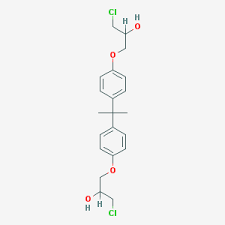
Tell us about your requirement

Price:
Quantity
Select Unit
- 50
- 100
- 200
- 250
- 500
- 1000+
Additional detail
Mobile number
Email

More Products in Analytical Grade Chemicals Category
HPD Carrying Case for 110L SCOTTY Gas Mix
Price 100 INR
Minimum Order Quantity : 1 Kilograms
Molecular Formula : (C2H4)n (for HDPE)
Melting Point : Approx. 130C (for HDPE)
Molecular Weight : Varies (Polymer based)
Appearance : Opaque Black/Gray Case
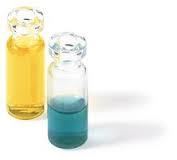
Human Serum (CRP)
Molecular Formula : N/A (Complex protein mixture)
Melting Point : N/A (denatures at high temperatures)
Molecular Weight : Approximately 115 kDa (specific to CRP)
Appearance : Clear to slightly yellow liquid or opalescent powder (if lyophilized form)
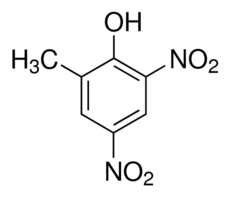
2-Methyl-4,6-dinitrophenol
Price 100 INR
Minimum Order Quantity : 1 Kilograms
Molecular Formula : C7H6N2O5
Melting Point : 122125 C
Molecular Weight : 198.1329 Grams (g)
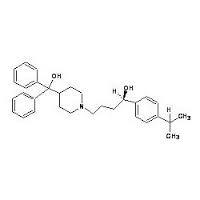
Fexofenadine impurity C
Price 100 INR
Minimum Order Quantity : 1 , , Kilograms
Molecular Formula : C32H39NO4
Melting Point : 148150 C
Molecular Weight : 501.68 Grams (g)
Appearance : White to OffWhite Solid

 Send Inquiry
Our Products


Kesarkunj, Rm No. 9, Vasanji Lalji Road, Kandivali (W), Mumbai - 400067, Maharashtra, India

Mr Nilesh Shah
(Director)
Mobile :08071630254
 Send Inquiry
 Send SMS
Developed and Managed by Infocom Network Private Limited.
