
Call us now :08071630254
 Send Inquiry
 Send Inquiry
Human prostatic acid phosphatase (catalytic concentration)
Human prostatic acid phosphatase (catalytic concentration) Specification
- Shape
- N/A (liquid form)
- Solubility
- Soluble in water, phosphate buffer
- Product Type
- Enzyme
- Ingredients
- Purified human prostatic acid phosphatase
- Purity
- > 95% (by SDS-PAGE)
- Ph Level
- 5.56.0 (active range)
- Density
- 1.1 Gram per cubic centimeter(g/cm3)
- Appearance
- Clear to slightly yellow solution
- HS Code
- 35079090
- CAS No
- 9001-67-8
- Molecular Formula
- C14H21N3O7P (representative peptide sequence)
- Smell
- Odorless
- Shelf Life
- 12 months from date of manufacture under recommended storage
- Refractive Rate
- Not determined
- Physical Form
- Liquid
- Structural Formula
- Protein structure, not represented by a simple chemical formula
- Molecular Weight
- ~100 kDa (dimeric protein)
- EINECS No
- 232-656-2
- Properties
- Highly specific for phosphomonoester hydrolysis, stable at pH 5.5-6.0
- Poisonous
- Non-poisonous for intended laboratory use
- Grade
- Analytical Grade
- Storage
- Store at -20C or below; avoid repeated freeze-thaw cycles
- Usage
- For research, clinical diagnostics and in vitro enzyme assays
- Application
- In vitro diagnostics, enzymatic research, prostate disease markers
- Isoelectric Point (pI)
- ~4.2
- Inactivation Temperature
- >65C
- Enzyme Commission (EC) Number
- 3.1.3.2
- Biological Function
- Catalyzes phosphate monoester hydrolysis in prostatic tissue
- Packaging Size
- Custom volumes (typically 0.5 ml, 1 ml, 5 ml vials)
- Preservatives
- May contain glycerol and buffering agents
- Activity
- >200 U/mg protein (using p-nitrophenyl phosphate as substrate, 37C, pH 5.5)
- Sensitivity
- Sensitive to protease and heat
Human prostatic acid phosphatase (catalytic concentration) Trade Information
- Main Domestic Market
- All India
About Human prostatic acid phosphatase (catalytic concentration)
Human prostatic acid phosphatase (catalytic concentration)
CAS Number 9001-77-8
Properties
| Related Categories | Additional Standards, Analytical Standards,Analytical/Chromatography, Application CRMs, Certified Reference Materials (CRMs), |
| format | matrix material |
| shipped in | wet ice |
| storage temp. | 20C |
Reliable Enzymatic Assays
Prostatic acid phosphatase is indispensable in enzymatic research and clinical diagnostics related to prostate disease. Its high specificity and stability facilitate accurate measurement of phosphate monoester hydrolysis, proving particularly useful with substrates like p-nitrophenyl phosphate. Analytical-grade purity ensures dependable and reproducible results in various laboratory protocols.
Customizable Packaging & Efficient Storage
Packaging offers flexibility with vial sizes typically ranging from 0.5 ml to 5 ml, catering to both small and large-scale research. The liquid form is easy to use and aliquot. For long-term stability, store at -20C or colder, avoiding repeated freeze-thaw cycles to maintain enzyme integrity and extend product shelf life.
Safe and Odorless for Laboratory Use
The enzyme is non-poisonous and odorless, making it suitable for routine laboratory environments. Its clear-to-slightly yellow appearance enables straightforward inspection for quality assurance. The product meets stringent analytical-grade standards, containing no contaminants and maintaining over 95% purity.
FAQs of Human prostatic acid phosphatase (catalytic concentration):
Q: How should Human prostatic acid phosphatase be stored for optimal stability?
A: Human prostatic acid phosphatase should be stored at -20C or lower, protected from repeated freeze-thaw cycles. This ensures enzyme activity and maintains shelf life for up to 12 months from the manufacturing date.Q: What is the primary scientific application of this enzyme in laboratory settings?
A: The enzyme is predominantly used in enzymatic research, in vitro diagnostics, and as a marker for prostate diseases. It catalyzes phosphate monoester hydrolysis, making it valuable in clinical assays with substrates like p-nitrophenyl phosphate.Q: When does the enzyme lose its catalytic activity during handling?
A: Human prostatic acid phosphatase becomes inactive when exposed to temperatures above 65C or if degraded by protease contamination. Handling should avoid excessive heating and contact with proteases.Q: Where does this enzyme originate, and what is its purity level?
A: This enzyme is purified from human prostatic tissue and offered in an analytical grade with purity exceeding 95%, as verified by SDS-PAGE analysis.Q: What is the process for using the enzyme in in vitro diagnostic assays?
A: To use this enzyme, dilute the supplied liquid in appropriate buffer (pH 5.56.0), incubate with substrates such as p-nitrophenyl phosphate at 37C, then measure phosphate release using suitable detection methods.Q: What benefit does the enzymes high specificity bring to research applications?
A: The enzymes high specificity for phosphomonoester hydrolysis reduces cross-reactivity, resulting in more accurate and reproducible assay outcomes, crucial for reliable research and clinical diagnostics.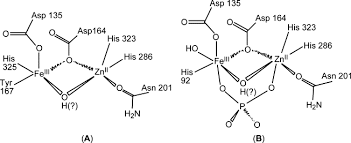
Tell us about your requirement

Price:
Quantity
Select Unit
- 50
- 100
- 200
- 250
- 500
- 1000+
Additional detail
Mobile number
Email

More Products in Analytical Grade Chemicals Category
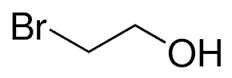
2- Bromopropionic acid solution
Price 100 INR
Minimum Order Quantity : 1 Kilograms
Molecular Weight : 152.97 Grams (g)
Purity : 99%
Molecular Formula : C3H5BrO2
Appearance : Colorless to slight yellow liquid

Warfarin sodium
Price 100 INR
Minimum Order Quantity : 1 Kilograms
Molecular Weight : 308.333 Grams (g)
Purity : 98%
Molecular Formula : C19H16O4
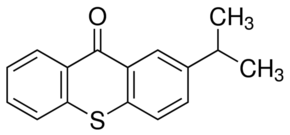
2- Isopropylthioxanthone
Price 100 INR
Minimum Order Quantity : 1 Kilograms
Molecular Weight : 254.35 Grams (g)
Purity : 98%
Molecular Formula : C16H14OS
Appearance : slightly yellow crystalline powder
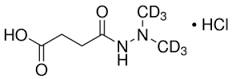
Daminozide-(dimethyl-d6) hydrochloride
Price 100 INR
Minimum Order Quantity : 1 Kilograms
Molecular Weight : 160.171 Grams (g)
Purity : 98%
Molecular Formula : C6H12N2O3
Appearance : White crystals

 Send Inquiry
Our Products


Kesarkunj, Rm No. 9, Vasanji Lalji Road, Kandivali (W), Mumbai - 400067, Maharashtra, India

Mr Nilesh Shah
(Director)
Mobile :08071630254
 Send Inquiry
 Send SMS
 Call Me Free
Developed and Managed by Infocom Network Private Limited.
