
Call us now :08071630254
 Send Inquiry
 Send Inquiry
Vinyl acetate
MOQ : 1 Kilograms
Vinyl acetate Specification
- Melting Point
- 93.5 °C (−136.3 °F; 179.7 K)
- Density
- 934 Kilogram per cubic meter (kg/m3)
- Usage
- VAE, which contains more than 50% vinyl acetate, is primarily used as cement additives, paints and adhesives. A fast growing use of VAM is the manufacture of ethylene vinyl alcohol (EVOH) which is used as a barrier resin in food packaging, plastic bottles and gasoline tanks, and in engineering polymers.
- Molecular Weight
- 86.09 Grams (g)
- Molecular Formula
- C4H6O2
Vinyl acetate Trade Information
- Minimum Order Quantity
- 1 Kilograms
- Payment Terms
- Cash in Advance (CID), Cash Advance (CA)
- Supply Ability
- 500 Kilograms, KG Per Month
- Delivery Time
- 2-8 Week
- Sample Available
- Yes
- Sample Policy
- Sample costs shipping and taxes has to be paid by the buyer
- Packaging Details
- Carton and Poly Bag.
- Main Export Market(s)
- Western Europe, Australia, Eastern Europe, Middle East, Central America, Africa, South America, Asia, North America
- Main Domestic Market
- All India
About Vinyl acetate
Vinyl acetate is a versatile compound with the molecular formula C4H6O2 and a molecular weight of 86.09 g. It is widely utilized in the production of vinyl acetate ethylene (VAE) copolymers, which serve as key components in cement additives, paints, and adhesives due to their robust binding properties. With a density of 934 kg/m, it exhibits excellent performance in industrial applications. One of its fast-growing uses is the synthesis of ethylene vinyl alcohol (EVOH), a critical material in food packaging, plastic bottles, and gasoline tanks, providing significant barrier properties. Vinyl acetate also plays a role in engineering polymers due to its high melting point of 93.5 C (136.3 F; 179.7 K). As a reliable and essential material, it supports diverse industries with its high performance.
FAQs of Vinyl acetate:
Q: What are the primary applications of vinyl acetate?
A: Vinyl acetate is mainly used in the production of cement additives, paints, adhesives, food packaging, plastic bottles, gasoline tanks, and engineering polymers.Q: How is ethylene vinyl alcohol (EVOH) related to vinyl acetate?
A: Vinyl acetate is used to manufacture EVOH, which serves as a barrier resin in food packaging and other products with high strength and resistance requirements.Q: Why does vinyl acetate excel in industrial applications?
A: Vinyl acetates physical properties, including its density of 934 kg/m and melting point of 93.5 C, make it highly effective in creating strong bonds and barriers.Q: What industries benefit most from vinyl acetate usage?
A: Industries such as construction, packaging, automotive, and polymer manufacturing benefit extensively from vinyl acetate-based products.Q: What is the molecular weight of vinyl acetate?
A: The molecular weight of vinyl acetate is 86.09 g.
Tell us about your requirement

Price:
Quantity
Select Unit
- 50
- 100
- 200
- 250
- 500
- 1000+
Additional detail
Mobile number
Email

More Products in Analytical Grade Chemicals Category
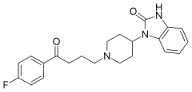
Benperidol
Price 100 INR
Minimum Order Quantity : 1 Kilograms
Molecular Formula : C22H24FN3O2
Molecular Weight : 381.451 Grams (g)
Melting Point : 130 °C (266 °F).
Purity : 99%
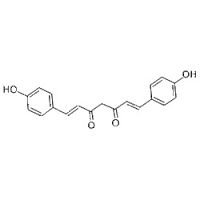
Demethoxycurcumin
Price 100 INR
Minimum Order Quantity : 1 Kilograms
Molecular Formula : C20H18O5
Molecular Weight : 338.4 Grams (g)
Melting Point : 226 to 231 °C (439 to 448 °F; 499 to 504 K)
Purity : 98%
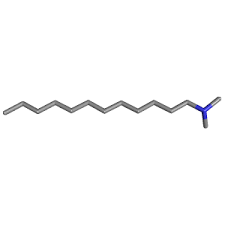
N, N-Dimethyldodecylamine
Price 100 INR
Minimum Order Quantity : 1 Kilograms
Molecular Formula : C14H31N
Molecular Weight : 213.4 Grams (g)
Purity : 99.5%
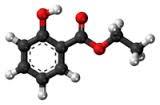
Ethyl salicylate
Price 100 INR
Minimum Order Quantity : 1 Kilograms
Molecular Formula : C9H10O3
Molecular Weight : 166.17 Grams (g)
Melting Point : 1 °C

 Send Inquiry
Our Products


Kesarkunj, Rm No. 9, Vasanji Lalji Road, Kandivali (W), Mumbai - 400067, Maharashtra, India

Mr Nilesh Shah
(Director)
Mobile :08071630254
 Send Inquiry
 Send SMS
Developed and Managed by Infocom Network Private Limited.
