
Call us now :08071630254
 Send Inquiry
 Send Inquiry
Zircaloy (C, N, O)
MOQ : 1 Kilograms
Zircaloy (C, N, O) Specification
- Molecular Weight
- 91.22 Grams (g)
- Molecular Formula
- Zr
- Usage
- Zircaloy 1 was developed as a replacement for existing tube bundles in submarine reactors in the 1950s, owing to a combination of strength, low neutron cross section and corrosion resistance. Zircaloy-2 was inadvertently developed, by melting Zircaloy-1 in a crucible previously used for stainless steel.
- Melting Point
- 1850°C
- Appearance
- Metallic solid in various forms (plate, bar, sheet, tube, rod)
Zircaloy (C, N, O) Trade Information
- Minimum Order Quantity
- 1 Kilograms
- Payment Terms
- Cash Advance (CA), Cash in Advance (CID)
- Supply Ability
- 500 Kilograms KG Per Month
- Delivery Time
- 2-8 Week
- Sample Available
- Yes
- Sample Policy
- Sample costs shipping and taxes has to be paid by the buyer
- Packaging Details
- Carton and Poly Bag.
- Main Export Market(s)
- Western Europe, Australia, Middle East, Central America, Africa, South America, Asia, Eastern Europe, North America
- Main Domestic Market
- All India
About Zircaloy (C, N, O)
Zircaloy, with a molecular formula of Zr and molecular weight of 91.22 grams, is a metallic solid available in various forms, such as plate, bar, sheet, tube, and rod. Renowned for its exceptional strength, corrosion resistance, and low neutron cross-section, Zircaloy is primarily used in nuclear reactors. Developed during the 1950s, Zircaloy-1 replaced tube bundles in submarine reactors due to its innovative properties. Zircaloy-2, an accidental evolution from Zircaloy-1, was created when the material was melted in a crucible previously employed for stainless steel. This metallic alloy offers a high melting point of 1850C and serves as a vital material in environments demanding durability and reliability. Precision-engineered for industrial needs, Zircaloy caters to modern applications in demanding sectors.
FAQs of Zircaloy (C, N, O):
Q: What are the forms in which Zircaloy is available?
A: Zircaloy is available in various forms, including plate, bar, sheet, tube, and rod.Q: What makes Zircaloy suitable for nuclear reactors?
A: Zircaloys combination of high strength, low neutron cross-section, and corrosion resistance makes it ideal for use in nuclear reactors.Q: What is the melting point of Zircaloy?
A: Zircaloy has a high melting point of 1850C.Q: How was Zircaloy-2 developed?
A: Zircaloy-2 was inadvertently developed by melting Zircaloy-1 in a crucible previously used for stainless steel.Q: What was the initial application of Zircaloy-1?
A: Zircaloy-1 was originally used to replace tube bundles in submarine reactors during the 1950s.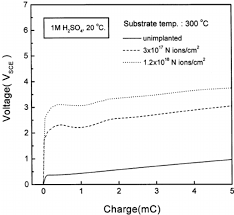
Tell us about your requirement

Price:
Quantity
Select Unit
- 50
- 100
- 200
- 250
- 500
- 1000+
Additional detail
Mobile number
Email

More Products in Analytical Grade Chemicals Category
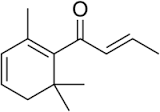
Damascenone (C13H18O)
Price 100 INR
Minimum Order Quantity : 1 Kilograms
Molecular Weight : 190.286 Grams (g)
Molecular Formula : C13H18O
Appearance : colorless to pale yellow clear liquid (est)
Purity : 98%
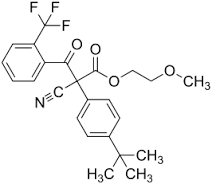
Cyflumetofen
Price 100 INR
Minimum Order Quantity : 1 Kilograms
Molecular Weight : 447.45 Grams (g)
Molecular Formula : C24H24F3NO4
Appearance : white powder
Purity : 99%
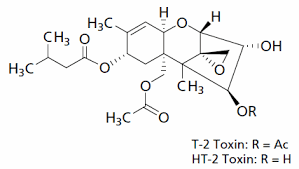
HT-2 Toxin-13C22 solution
Price 100 INR
Minimum Order Quantity : 1 Kilograms
Molecular Weight : 320.3 Grams (g)
Molecular Formula : C17H20O6
Appearance : As Patrick Mulligan
Purity : 98%
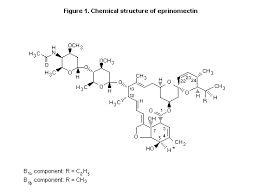
Eprinomectin
Price 100 INR
Minimum Order Quantity : 1 Kilograms
Molecular Weight : 900.1 Grams (g)
Molecular Formula : C49H73NO14
Appearance : White solid

 Send Inquiry
Our Products


Kesarkunj, Rm No. 9, Vasanji Lalji Road, Kandivali (W), Mumbai - 400067, Maharashtra, India

Mr Nilesh Shah
(Director)
Mobile :08071630254
 Send Inquiry
 Send SMS
Developed and Managed by Infocom Network Private Limited.
