
Call us now :08071630254
 Send Inquiry
 Send Inquiry
Bacitracin A
MOQ : 1 Kilograms
Bacitracin A Specification
- Purity
- 99%
- Melting Point
- ~250° C
- Molecular Formula
- C66H103N17O16S
- Usage
- This medication is used to prevent minor skin infections caused by small cuts, scrapes, or burns. Bacitracin works by stopping the growth of certain bacteria. It belongs to a class of drugs known as antibiotics. This antibiotic only prevents bacterial infections
- Molecular Weight
- 1,422.69 Grams (g)
Bacitracin A Trade Information
- Minimum Order Quantity
- 1 Kilograms
- Payment Terms
- Cash in Advance (CID), Cash Advance (CA)
- Supply Ability
- 500 Kilograms KG Per Month
- Delivery Time
- 2-8 Week
- Sample Available
- Yes
- Sample Policy
- Sample costs shipping and taxes has to be paid by the buyer
- Packaging Details
- Carton and Poly Bag.
- Main Export Market(s)
- Asia, Australia, Western Europe, Middle East, Central America, South America, Eastern Europe, North America, Africa
- Main Domestic Market
- All India
About Bacitracin A
Bacitracin A Empirical Formula (Hill Notation): C66H103N17O16SMolecular Weight: 1422.69CAS Number: 22601-59-8grade analytical standard form neat composition main component, ~50% application(s) HPLC: suitable gas chromatography (GC): suitable format neat storage temp. 2-8CFAQs of Bacitracin A:
Q: What is the purity level of Bacitracin A?
A: Bacitracin A has a purity level of 99%.Q: What is the molecular formula of Bacitracin A?
A: The molecular formula of Bacitracin A is C66H103N17O16S.Q: What is the melting point of Bacitracin A?
A: The melting point of Bacitracin A is approximately 250C.Q: What is the molecular weight of Bacitracin A?
A: The molecular weight of Bacitracin A is 1,422.69 grams (g).Q: How does Bacitracin A work?
A: Bacitracin A works by stopping the growth of certain bacteria, preventing bacterial infections.Q: What is the primary use of Bacitracin A?
A: Bacitracin A is used to prevent minor skin infections caused by small cuts, scrapes, or burns.Q: Which drug class does Bacitracin A belong to?
A: Bacitracin A belongs to a class of drugs known as antibiotics.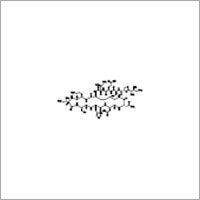
Tell us about your requirement

Price:
Quantity
Select Unit
- 50
- 100
- 200
- 250
- 500
- 1000+
Additional detail
Mobile number
Email

More Products in Analytical Grade Chemicals Category
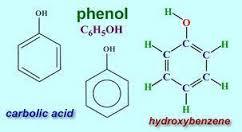
analytical standard
Molecular Weight : 342.30 g/mol
Melting Point : 186 C
Molecular Formula : C12H22O11
Usage : For precise calibration and testing in laboratories

Tromethamine
Price 100 INR
Minimum Order Quantity : 1 Kilograms
Molecular Weight : 121.14 Grams (g)
Melting Point : 175 °C
Molecular Formula : C4H11NO3
Usage : Tromethamine affects the balance of water and electrolytes in the body. Tromethamine is used to treat metabolic acidosis (an electrolyte imbalance). Metabolic acidosis can have many causes. It often occurs after heart bypass surgery or cardiac arrest.
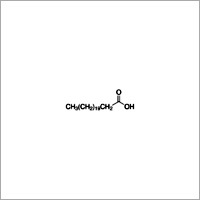
Behenic acid
Price 100 INR
Minimum Order Quantity : 1 Kilograms
Molecular Weight : 340.58 Grams (g)
Melting Point : 80 °C
Molecular Formula : C22H44O2
Usage : Commercially, behenic acid is often used to give hair conditioners and moisturizers their smoothing properties. It is also used in lubricating oils, and as a solvent evaporation retarder in paint removers. Its amide is used as an antifoaming agent in detergents, floor polishes and dripless candles.
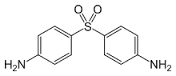
Dapsone
Price 100 INR
Minimum Order Quantity : 1 Kilograms
Molecular Weight : 248.302 Grams (g)
Melting Point : 175 to 176 °C (347 to 349 °F)
Molecular Formula : C12H12N2O2S
Usage : As an antibiotic, dapsone is commonly used to treat mycobacterium leprae, the causative organism of leprosy. Also, it is used to prophylax against Pneumocystis pneumonia and toxoplasmosis in HIV patients as well as an adjuvant treatment for malaria.

 Send Inquiry
Our Products


Kesarkunj, Rm No. 9, Vasanji Lalji Road, Kandivali (W), Mumbai - 400067, Maharashtra, India

Mr Nilesh Shah
(Director)
Mobile :08071630254
 Send Inquiry
 Send SMS
 Call Me Free
Developed and Managed by Infocom Network Private Limited.
