
Call us now :08071630254
 Send Inquiry
 Send Inquiry
Dihydrostreptomycin sulfate
MOQ : 1 Kilograms
Dihydrostreptomycin sulfate Specification
- Usage
- Dihydrostreptomycin sulfate inhibits protein synthesis by binding to the 30S ribosomal subunit. This antibiotic is active against most gram-positive and gram-negative organisms and is used in the treatment of tuberculosis and tulemia.
- Purity
- 84.6%
- Molecular Weight
- 583.59
- Molecular Formula
- C21H41N7O12
- Melting Point
- >185°C (dec.)
Dihydrostreptomycin sulfate Trade Information
- Minimum Order Quantity
- 1 Kilograms
- Payment Terms
- Cash in Advance (CID), Cash Advance (CA)
- Supply Ability
- 500 Kilograms, KG Per Month
- Delivery Time
- 2-8 Week
- Sample Available
- Yes
- Sample Policy
- Sample costs shipping and taxes has to be paid by the buyer
- Packaging Details
- Carton and Poly Bag.
- Main Export Market(s)
- South America, Australia, Middle East, Central America, Western Europe, Asia, Eastern Europe, North America, Africa
- Main Domestic Market
- All India
About Dihydrostreptomycin sulfate
Dihydrostreptomycin sulfate is a potent antibiotic known for its ability to inhibit protein synthesis by binding to the 30S ribosomal subunit. It demonstrates remarkable efficacy against a broad spectrum of gram-positive and gram-negative organisms, making it an essential treatment option for conditions such as tuberculosis and tularemia. With a high purity level of 84.6%, this compound is designed for reliable performance in pharmaceutical applications. The molecular formula of C21H41N7O12 corresponds to a molecular weight of 583.59 grams, ensuring precise formulation for research and development purposes. It exhibits a decomposition melting point of >185C, highlighting its stability and suitability for various use cases.
FAQs of Dihydrostreptomycin sulfate:
Q: What is the primary action of Dihydrostreptomycin sulfate?
A: Dihydrostreptomycin sulfate inhibits protein synthesis by binding to the 30S ribosomal subunit.Q: What organisms does this product target?
A: It is effective against most gram-positive and gram-negative organisms.Q: For what conditions is Dihydrostreptomycin sulfate typically used?
A: It is commonly used in the treatment of tuberculosis and tularemia.Q: What is the products purity level?
A: The purity level of Dihydrostreptomycin sulfate is 84.6%.Q: What is the molecular weight of Dihydrostreptomycin sulfate?
A: The molecular weight is 583.59 grams.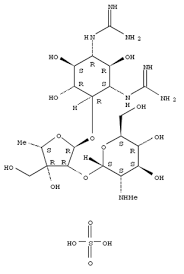
Tell us about your requirement

Price:
Quantity
Select Unit
- 50
- 100
- 200
- 250
- 500
- 1000+
Additional detail
Mobile number
Email

More Products in Analytical Grade Chemicals Category
![(R)-3-(4-Cyanophenoxy)-N-[4-cyano-3-(trifluoromethyl)phenyl]-2-hydroxy-2-methylpropionamide](https://cpimg.tistatic.com/03368207/b/6/-R-3-4-Cyanophenoxy-N-4-cyano-3-trifluoromethyl-phenyl-2-hydroxy-2-methylpropionamide.png)
(R)-3-(4-Cyanophenoxy)-N-[4-cyano-3-(trifluoromethyl)phenyl]-2-hydroxy-2-methylpropionamide
Molecular Formula : C18H13F3N2O3
Molecular Weight : 362.3 g/mol
Melting Point : 158160C
Purity : >99% (HPLC)
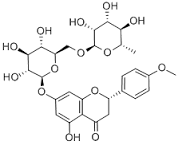
Didymin
Price 100 INR
Minimum Order Quantity : 1 Kilograms
Molecular Formula : C28H34O14
Molecular Weight : 594.566 Grams (g)
Melting Point : 211213°C.

Xylazine hydrochloride
Price 10 INR
Minimum Order Quantity : 1 Kilograms
Molecular Formula : C12H17ClN2S
Molecular Weight : 256.8 Grams (g)
Melting Point : >150° C (dec.)
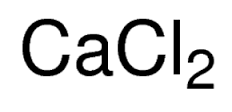
Calcium (Ca) standard solution
Price 100 INR
Minimum Order Quantity : 1 Kilograms
Molecular Formula : Ca
Molecular Weight : 40.078 Grams (g)
Melting Point : (842 °C, 1548 °F)
Purity : 97%

 Send Inquiry
Our Products


Kesarkunj, Rm No. 9, Vasanji Lalji Road, Kandivali (W), Mumbai - 400067, Maharashtra, India

Mr Nilesh Shah
(Director)
Mobile :08071630254
 Send Inquiry
 Send SMS
 Call Me Free
Developed and Managed by Infocom Network Private Limited.
