
Call us now :08071630254
 Send Inquiry
 Send Inquiry
1,2-Dibromo-3-chloropropane solution
MOQ : 1 Kilograms
1,2-Dibromo-3-chloropropane solution Specification
- Molecular Weight
- 236.33 Grams (g)
- Appearance
- colorless liquid
- Melting Point
- 6.1 C (43.0 F; 279.2 K)
- Usage
- It can be tasted in water at very low concentrations. Some industries use it to make another chemical that is used to make materials that resist burning. Large amounts of 1,2-dibromo-3-chloropropane were used in the past on certain farms to kill pests that harmed crops.
- Molecular Formula
- C3H5Br2Cl
1,2-Dibromo-3-chloropropane solution Trade Information
- Minimum Order Quantity
- 1 Kilograms
- Payment Terms
- Cash in Advance (CID), Cash Advance (CA)
- Supply Ability
- 500 Kilograms KG Per Month
- Delivery Time
- 2-8 Week
- Sample Available
- Yes
- Sample Policy
- Sample costs shipping and taxes has to be paid by the buyer
- Packaging Details
- Carton and Poly Bag.
- Main Export Market(s)
- Western Europe, Central America, Africa, Middle East, South America, Australia, Asia, Eastern Europe, North America
- Main Domestic Market
- All India
About 1,2-Dibromo-3-chloropropane solution
1,2-Dibromo-3-chloropropane solution Certified reference material, 200g/mL in methanol CAS Number 96-12-8 grade certified reference material TraceCERT CofA certificate of analysis is enclosed in each package. packaging ampule of 1mL concentration 200g/mL in methanol application(s) HPLC: suitable gas chromatography (GC): suitable format single component solution storage temp. 2-8CFAQs of 1,2-Dibromo-3-chloropropane solution:
Q: What is the melting point of 1,2-Dibromo-3-chloropropane solution?
A: The melting point of 1,2-Dibromo-3-chloropropane solution is 6.1 C (43.0 F; 279.2 K).Q: What is the molecular formula of 1,2-Dibromo-3-chloropropane solution?
A: The molecular formula of 1,2-Dibromo-3-chloropropane solution is C3H5Br2Cl.Q: What is the appearance of 1,2-Dibromo-3-chloropropane solution?
A: 1,2-Dibromo-3-chloropropane solution appears as a colorless liquid.Q: What is the molecular weight of 1,2-Dibromo-3-chloropropane solution?
A: The molecular weight of 1,2-Dibromo-3-chloropropane solution is 236.33 grams (g).Q: What are some uses of 1,2-Dibromo-3-chloropropane solution?
A: It can be tasted in water at very low concentrations. Some industries use it to make another chemical that is used to produce materials that resist burning. In the past, large amounts were used on certain farms to kill pests that harmed crops.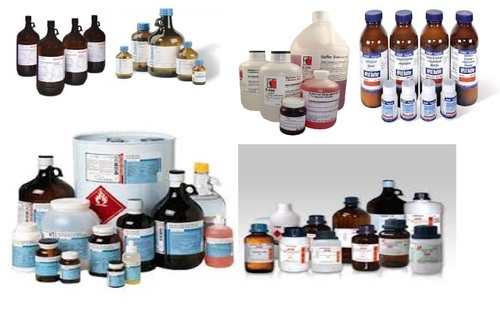
Tell us about your requirement

Price:
Quantity
Select Unit
- 50
- 100
- 200
- 250
- 500
- 1000+
Additional detail
Mobile number
Email

More Products in Analytical Grade Chemicals Category
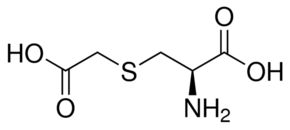
Carbocisteine
Molecular Formula : C5H9NO4S
Molecular Weight : 179.19 g/mol
Purity : 98%
Melting Point : 204209C
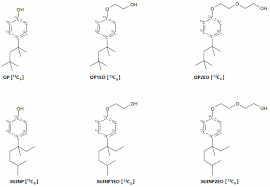
Alkylphenol Target Analyte Mix solution
Molecular Formula : Varies by individual alkylphenols
Molecular Weight : Varies depending on the specific analytes
Purity : Highpurity standards in trace concentrations
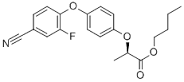
Cyhalofop-butyl
Price 100 INR
Minimum Order Quantity : 1 Kilograms
Molecular Formula : C20H20FNO4
Molecular Weight : 357.381 Grams (g)
Purity : 97%
Melting Point : 49.50 C. @ 760.00 mm

Tributyl 2-acetylcitrate
Price 100 INR
Minimum Order Quantity : 1 Kilograms
Molecular Formula : C20H34O8
Molecular Weight : 402.5 Grams (g)
Melting Point : 76.00 to 75.00 C. @ 760.00 mm Hg

 Send Inquiry
Our Products


Kesarkunj, Rm No. 9, Vasanji Lalji Road, Kandivali (W), Mumbai - 400067, Maharashtra, India

Mr Nilesh Shah
(Director)
Mobile :08071630254
 Send Inquiry
 Send SMS
Developed and Managed by Infocom Network Private Limited.
