
Call us now :08071630254
 Send Inquiry
 Send Inquiry
1- O-Palmityl-2-acetyl-rac-glycero-3-phosphocholine
MOQ : 1 Kilograms
1- O-Palmityl-2-acetyl-rac-glycero-3-phosphocholine Specification
- Application
- Research, biochemical studies, evaluation of platelet-activating activity
- Usage
- As a biochemical standard, PAF receptor studies, research on inflammation and cell signaling
- Storage
- Store at -20C, protect from light and moisture
- Boiling point
- Not applicable (decomposes)
- Grade
- Analytical / Research grade
- Smell
- Odorless
- Appearance
- Powder or crystalline solid
- Other Names
- PAF C-16; 1-O-hexadecyl-2-acetyl-sn-glycero-3-phosphocholine; Platelet Activating Factor C-16
- Structural Formula
- Refer to product documentation
- Melting Point
- ~104-110C
- Taste
- Odorless, tasteless
- Physical Form
- Solid powder
- Molecular Weight
- 497.65 g/mol
- HS Code
- 29239000
- Ph Level
- Neutral in aqueous solution
- Shelf Life
- At least 2 years under recommended conditions
- Molecular Formula
- C24H52NO7P
- Shape
- Solid
- Poisonous
- No (handle with care as a biochemical reagent)
- Classification
- Glycerophospholipids
- Chemical Name
- 1-O-Palmityl-2-acetyl-rac-glycero-3-phosphocholine
- CAS No
- 102125-63-9
- Type
- Phospholipid compound
- Purity(%)
- >98%
- Color
- White to off-white
- Handling Precautions
- Use personal protective equipment; avoid inhalation and contact
- UN Number
- Not regulated
- Biological Activity
- Potent platelet-activating factor (PAF) analog; pro-inflammatory properties
- Synonyms
- Palmityl PAF, C16 PAF, 1-O-hexadecyl-2-acetyl-sn-glycero-3-phosphocholine
- Transport Information
- Non-hazardous for air, sea and road freight
- Stability
- Stable under recommended storage conditions
- Quality Documentation
- COA and MSDS available upon request
- Solubility
- Soluble in chloroform, methanol; sparingly soluble in water
- Packaging
- Sealed vial, inert atmosphere
1- O-Palmityl-2-acetyl-rac-glycero-3-phosphocholine Trade Information
- Minimum Order Quantity
- 1 Kilograms
- Payment Terms
- Cash in Advance (CID), Cash Advance (CA)
- Supply Ability
- 500 Kilograms Per Month
- Delivery Time
- 3-4 Week
- Sample Available
- Yes
- Sample Policy
- Sample costs shipping and taxes has to be paid by the buyer
- Main Export Market(s)
- Western Europe, Asia, Middle East, Eastern Europe, Africa, South America, Australia, Central America, North America
- Main Domestic Market
- All India
About 1- O-Palmityl-2-acetyl-rac-glycero-3-phosphocholine
1-O-Palmityl-2-Acetyl-Rac-Glycero-3-Phosphocholine- Synonym: Rac-Platelet Activating Factor, Dl--Phosphatidylcholine, -Acetyl--O-Hexadecyl
- Empirical Formula (Hill Notation): C26H54No7P
- Molecular Weight: 523.68
- Cas Number: 77286-68-1
Assay ~99%
Storage Temp. 20C
Research-Grade Quality for Scientific Applications
Our 1-O-Palmityl-2-acetyl-rac-glycero-3-phosphocholine exceeds 98% purity, making it ideal for advanced research applications. Frequently used in biochemical studies to evaluate platelet-activating activity, this compound is a standard in PAF receptor research. Its stability and inert packaging guarantee consistent performance and reliability in laboratory experiments.
Safe Handling and Reliable Transport
This compound is non-hazardous for air, sea, and road freight and does not require special UN classification. Packaged securely under inert atmosphere, it arrives intact and ready for immediate use. Contact with the product should be minimized by wearing appropriate personal protective equipment (PPE) to avoid inhalation or skin contact during handling.
FAQs of 1- O-Palmityl-2-acetyl-rac-glycero-3-phosphocholine:
Q: How should 1-O-Palmityl-2-acetyl-rac-glycero-3-phosphocholine be stored for optimal stability?
A: For best results, store the compound at -20C in a sealed vial, protected from light and moisture. These conditions maintain its stability and extend shelf life up to at least two years.Q: What are the main applications of Palmityl PAF in research?
A: Palmityl PAF is primarily used as a biochemical standard for studying platelet-activating factors, researching inflammation, and evaluating PAF receptor activity. It plays a vital role in cellular signaling studies due to its pro-inflammatory properties.Q: When is Palmityl PAF typically used in experimentation?
A: This compound is typically employed during experimental protocols investigating platelet activation, inflammatory pathways, or G-protein coupled receptor signaling mechanisms in biochemical or pharmacological research.Q: Where is this compound most commonly utilized?
A: Palmityl PAF is most often found in academic or industrial laboratories engaged in biochemical, pharmacological, and cell signaling research, particularly in studies focused on inflammation or platelet function.Q: What precautions should be taken when handling 1-O-Palmityl-2-acetyl-rac-glycero-3-phosphocholine?
A: When handling, always use personal protective equipment such as gloves, lab coat, and eye protection. Avoid inhalation or direct skin and eye contact to ensure safe laboratory practices.Q: How is the product packaged and shipped?
A: The compound is delivered in a sealed vial under an inert atmosphere to preserve quality and stability. It is shipped as a non-hazardous material for air, sea, and road, requiring no special transport restrictions.Q: What are the primary benefits of using this high-purity phospholipid compound in research?
A: Its high purity (>98%), stable formulation, and potent platelet-activating factor activity ensure reproducible results, supporting accurate and reliable data in inflammation and cell signaling studies.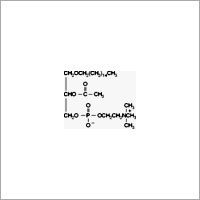
Tell us about your requirement

Price:
Quantity
Select Unit
- 50
- 100
- 200
- 250
- 500
- 1000+
Additional detail
Mobile number
Email

More Products in Biochemical & Reagents Category
0.1 M HEPES pH 7.0 20% PEG 600 solution
Purity(%) : 0.1 M HEPES 20% PEG 600
Molecular Weight : 238.31 g/mol Grams (g)
Molecular Formula : C8H18N2O4S
Storage : Other, Store at room temperature or as specified
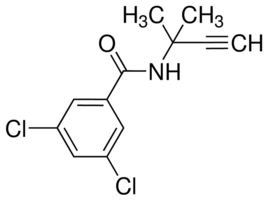
Pronamide (Kerb)
Price 100 INR / Kilograms
Minimum Order Quantity : 1 Kilograms
Purity(%) : 9495%
Storage : Room temperature

1, 2-Dioleoyl-3-palmitoyl-rac-glycerol
Price 100 INR / Kilograms
Minimum Order Quantity : 1 Kilograms
Purity(%) : 99%
Molecular Weight : 859.39 GSM (gm/2)
Molecular Formula : C55H102O6
Storage : Room temperature
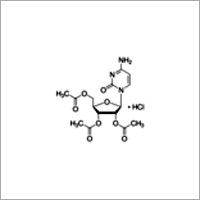
2,3,5-Tri-O-acetylcytidine hydrochloride
Price 100 INR / Kilograms
Minimum Order Quantity : 1 Kilograms
Purity(%) : 98%
Molecular Weight : 405.79 GSM (gm/2)
Molecular Formula : C15H20ClN3O8
Storage : Room temperature

 Send Inquiry
Our Products


Kesarkunj, Rm No. 9, Vasanji Lalji Road, Kandivali (W), Mumbai - 400067, Maharashtra, India

Mr Nilesh Shah
(Director)
Mobile :08071630254
 Send Inquiry
 Send SMS
 Call Me Free
Developed and Managed by Infocom Network Private Limited.
