
Call us now :08071630254
 Send Inquiry
 Send Inquiry
100ppm Cr, Cd, Pb, Ag in SiO2
100ppm Cr, Cd, Pb, Ag in SiO2 Specification
- Appearance
- Fine powder
- Physical Form
- Powder
- CAS No
- 14808-60-7 (SiO2 base material)
- Smell
- Odorless
- Molecular Formula
- SiO2 + Cr Cd Pb Ag (100ppm each)
- Purity
- 99.99% pure SiO2 with 100 ppm trace metals
- Storage
- Store in a cool dry place in tightly sealed containers
- Application
- Used in calibration of analytical instruments and quality control for trace metal analysis
- Poisonous
- NO
- Density
- 2.65 Gram per cubic centimeter(g/cm3)
- Grade
- Laboratory-grade
- Shelf Life
- 2 years under proper storage conditions
- HS Code
- 3822000000
- Structural Formula
- SiO2 matrix containing trace amounts of Cr Cd Pb Ag
- Usage
- For laboratory and industrial usage in spectrometry and other analytical processes
- Taste
- Neutral
- Solubility
- Insoluble in water; may require special solvents for metals
- Shape
- Amorphous
- Properties
- Stable under normal conditions; contains controlled trace metals
- Ph Level
- Neutral (around 7 in suspension)
- Refractive Rate
- 1.544 (for SiO2)
- Molecular Weight
- Variable - depends on trace metals
- Ingredients
- Silicon Dioxide (SiO2) Chromium (Cr) Cadmium (Cd) Lead (Pb) Silver (Ag)
- EINECS No
- 238-878-4 (SiO2 base material)
- Melting Point
- > 1600C (for SiO2 base material)
About 100ppm Cr, Cd, Pb, Ag in SiO2
100ppm Cr, Cd, Pb, Ag in SiO2 Certified reference material grade certified reference material mfr. no. RTC, XRF-110 application(s) XRF: suitable matrix silicon dioxide format matrix materialFAQs of 100ppm Cr, Cd, Pb, Ag in SiO2:
Q: What is the main application of 100ppm Cr, Cd, Pb, Ag in SiO2?
A: This product is primarily used in the calibration of analytical instruments and quality control for trace metal analysis in laboratory and industrial applications such as spectrometry.Q: How should 100ppm Cr, Cd, Pb, Ag in SiO2 be stored?
A: The product should be stored in a cool, dry place in tightly sealed containers to maintain its stability and shelf life.Q: What is the physical form and appearance of the product?
A: 100ppm Cr, Cd, Pb, Ag in SiO2 comes in the form of a fine powder with an amorphous shape.Q: Is the product poisonous?
A: No, the product is not poisonous.Q: What is the solubility of the product?
A: The product is insoluble in water and may require special solvents for the trace metals contained within it.Q: What is the shelf life of 100ppm Cr, Cd, Pb, Ag in SiO2?
A: The shelf life of the product is 2 years if stored under proper conditions.Q: What is the purity level and grade of this product?
A: The product is laboratory-grade with 99.99% pure SiO2 and contains 100ppm trace metals.
Tell us about your requirement

Price:
Quantity
Select Unit
- 50
- 100
- 200
- 250
- 500
- 1000+
Additional detail
Mobile number
Email

More Products in Analytical Grade Chemicals Category
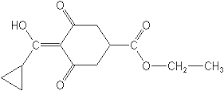
Trinexapac-ethyl
Price 100 INR
Minimum Order Quantity : 1 Kilograms
Melting Point : (oC), 36.3
Molecular Weight : 224.21 Grams (g)
Molecular Formula : C11H12O5
Appearance : White Powder
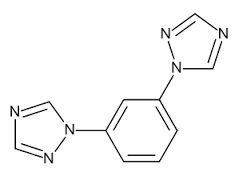
Fluconazole impurity C
Price 100 INR
Minimum Order Quantity : 1 Kilograms
Melting Point : >209°C (Slightly)
Appearance : Pale Beige Solid
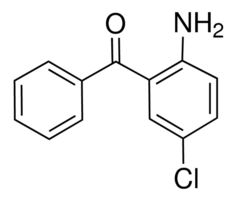
2-Amino-5-Chlorobenzophenone
Price 100 INR
Minimum Order Quantity : 1 Kilograms
Melting Point : 98 100°C
Molecular Weight : 231.679 Grams (g)
Molecular Formula : C13H10ClNO
Appearance : Crystalline powder

Eleutheroside E
Price 100 INR
Minimum Order Quantity : 1 , , Kilograms
Melting Point : 192 C (378 F; 465 K)
Molecular Weight : 742.73 Grams (g)
Molecular Formula : C34H46O18
Appearance : White crystalline solid

 Send Inquiry
Our Products


Kesarkunj, Rm No. 9, Vasanji Lalji Road, Kandivali (W), Mumbai - 400067, Maharashtra, India

Mr Nilesh Shah
(Director)
Mobile :08071630254
 Send Inquiry
 Send SMS
Developed and Managed by Infocom Network Private Limited.
