
Call us now :08071630254
 Send Inquiry
 Send Inquiry
2,4, 5-T solution
2,4, 5-T solution Specification
- Ingredients
- 245-Trichlorophenoxyacetic acid plus a solvent base
- Melting Point
- Not applicable (solution form)
- Refractive Rate
- Not available
- Grade
- Technical grade
- Appearance
- Clear to light yellow liquid
- EINECS No
- 202-273-3
- Density
- 1.4 Gram per cubic centimeter(g/cm3)
- Shelf Life
- 2 years under recommended storage conditions Years
- Shape
- Not applicable (liquid form)
- Physical Form
- Other
- CAS No
- 93-76-5
- Structural Formula
- C8H5Cl3O3 (aromatic ring structure with chlorine and hydroxyl substituents)
- Solubility
- Soluble in water and organic solvents
- Application
- Herbicide and agricultural chemical
- Molecular Weight
- 255.49 g/mol Grams (g)
- Purity
- Not applicable for solution (active ingredient concentration specific to formulation)
- Molecular Formula
- C8H6Cl3O3
- Ph Level
- Acidic
- HS Code
- 3808.93.00
- Smell
- Phenolic
- Poisonous
- YES
- Properties
- Selective herbicide high effectiveness in controlling broadleaf plants
- Usage
- Used for vegetation and brush control
- Storage
- Store in a cool dry and well-ventilated area away from incompatible materials
- Taste
- Bitter
About 2,4, 5-T solution
2,4,5-T solution 100g/mL in acetonitrile, PESTANAL, analytical standard Synonym: 2,4,5-Trichlorophenoxyacetic acid solution CAS Number 93-76-5 Linear Formula Cl3C6H2OCH2CO2H Molecular Weight 255.48 grade analytical standard product line PESTANAL concentration 100g/mL in acetonitrile application(s) HPLC: suitable gas chromatography (GC): suitable format single component solution storage temp. 2-8C Gene Information rat ... Ar(24208)FAQs of 2,4, 5-T solution:
Q: What is the primary application of the 2,4,5-T solution?
A: The 2,4,5-T solution is primarily used as a selective herbicide for vegetation and brush control, and is effective in managing broadleaf plants.Q: How should the 2,4,5-T solution be stored?
A: The solution should be stored in a cool, dry, and well-ventilated area, away from incompatible materials.Q: What is the chemical composition and molecular formula of the 2,4,5-T solution?
A: The solution contains 245-Trichlorophenoxyacetic acid and a solvent base, with the molecular formula C8H6Cl3O3.Q: Is the 2,4,5-T solution poisonous?
A: Yes, the 2,4,5-T solution is poisonous and should be handled with care.Q: What is the shelf life of the 2,4,5-T solution under recommended storage conditions?
A: The product has a shelf life of 2 years when stored under recommended conditions.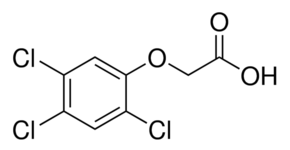
Tell us about your requirement

Price:
Quantity
Select Unit
- 50
- 100
- 200
- 250
- 500
- 1000+
Additional detail
Mobile number
Email

More Products in Analytical Grade Chemicals Category
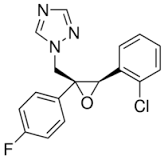
Epoxiconazole
Price 100 INR
Minimum Order Quantity : 1 Kilograms
Molecular Weight : 329.76 Grams (g)
Molecular Formula : C17H13ClFN3O
Melting Point : 134 °C
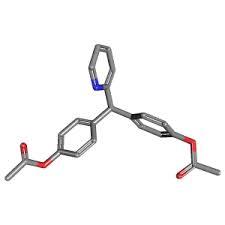
Bisacodyl
Price 100 INR
Minimum Order Quantity : 1 Kilograms
Molecular Weight : 361.391 Grams (g)
Molecular Formula : C22H19NO4
Melting Point : (°C), 138
Purity : 98%
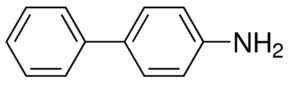
4-Aminobiphenyl
Price 100 INR
Minimum Order Quantity : 1 Kilograms
Molecular Weight : 169.227 Grams (g)
Molecular Formula : C12H11N
Melting Point : 52 to 54 °C (126 to 129 °F; 325 to 327 K)
Purity : 99.0%

Cyclizine hydrochloride
Price 100 INR
Minimum Order Quantity : 1 Kilograms
Molecular Weight : 302.84 Grams (g)
Molecular Formula : C18H23ClN2
Melting Point : >260°C (dec.)

 Send Inquiry
Our Products


Kesarkunj, Rm No. 9, Vasanji Lalji Road, Kandivali (W), Mumbai - 400067, Maharashtra, India

Mr Nilesh Shah
(Director)
Mobile :08071630254
 Send Inquiry
 Send SMS
 Call Me Free
Developed and Managed by Infocom Network Private Limited.
