
Call us now :08071630254
 Send Inquiry
 Send Inquiry
Acetylcysteine
MOQ : 1 Kilograms
Acetylcysteine Specification
- Appearance
- White crystalline powder
- Molecular Formula
- C5H9NO3S
- Usage
- When inhaled by mouth, acetylcysteine is used to help thin and loosen mucus in the airways due to certain lung diseases (such as emphysema, bronchitis, cystic fibrosis, pneumonia). This effect helps you to clear the mucus from your lungs so that you can breathe easier.
- Molecular Weight
- 163.2 Grams (g)
- Purity
- 99.2%
Acetylcysteine Trade Information
- Minimum Order Quantity
- 1 Kilograms
- Payment Terms
- Cash Advance (CA), Cash in Advance (CID)
- Supply Ability
- 500 Kilograms KG Per Month
- Delivery Time
- 2-8 Week
- Sample Available
- Yes
- Sample Policy
- Sample costs shipping and taxes has to be paid by the buyer
- Packaging Details
- Carton and Poly Bag.
- Main Export Market(s)
- Western Europe, Central America, Africa, Middle East, South America, Australia, Asia, Eastern Europe, North America
- Main Domestic Market
- All India
About Acetylcysteine
AcetylcysteineSynonym: N-Acetyl-L-cysteine,LNAC,NACLinear Formula: HSCH2CH(NHCOCH3)CO2HMolecular Weight: 163.19CAS Number: 616-91-1 form neatmp 106-108C(lit.)format neatDescriptionBiochem/physiol ActionsAntioxidant and mucolytic agent. Increases cellular pools of free radical scavengers. Reported to prevent apoptosis in neuronal cells but induce apoptosis in smooth muscle cells. Inhibits HIV replication. May serve as a substrate for microsomal glutathione transferase.FAQs of Acetylcysteine:
Q: What is the appearance of acetylcysteine?
A: Acetylcysteine appears as a white crystalline powder.Q: What is the molecular formula of acetylcysteine?
A: The molecular formula of acetylcysteine is C5H9NO3S.Q: What is the molecular weight of acetylcysteine?
A: The molecular weight of acetylcysteine is 163.2 grams (g).Q: What is the purity level of acetylcysteine?
A: The purity level of acetylcysteine is 99.2%.Q: How is acetylcysteine commonly used?
A: When inhaled by mouth, acetylcysteine is used to help thin and loosen mucus in the airways due to certain lung diseases such as emphysema, bronchitis, cystic fibrosis, and pneumonia. This effect helps clear mucus from the lungs, making breathing easier.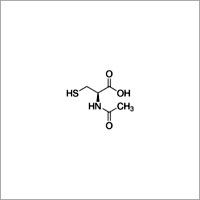
Tell us about your requirement

Price:
Quantity
Select Unit
- 50
- 100
- 200
- 250
- 500
- 1000+
Additional detail
Mobile number
Email

More Products in Analytical Grade Chemicals Category
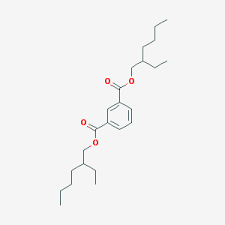
Bis(2-ethylhexyl) Isophthalate
Price 100 INR
Minimum Order Quantity : 1 , , Kilograms
Molecular Formula : C24H38O4
Purity : 98%
Molecular Weight : 390.6 Grams (g)
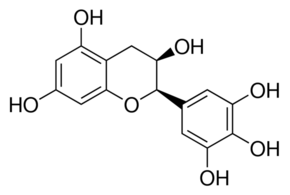
()-Epigallocatechin
Price 100 INR
Minimum Order Quantity : 1 Kilograms
Molecular Formula : C22H18O11
Purity : 98%
Molecular Weight : 458.372 Grams (g)
Appearance : White powder
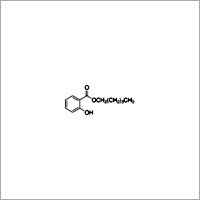
Amyl salicylate
Price 100 INR
Minimum Order Quantity : 1 Kilograms
Molecular Formula : C8H8O3
Purity : 98%
Molecular Weight : 152.1494 Grams (g)
Appearance : Colorless to pale yellow clear liquid

 Send Inquiry
Our Products


Kesarkunj, Rm No. 9, Vasanji Lalji Road, Kandivali (W), Mumbai - 400067, Maharashtra, India

Mr Nilesh Shah
(Director)
Mobile :08071630254
 Send Inquiry
 Send SMS
 Call Me Free
Developed and Managed by Infocom Network Private Limited.
