
Call us now :08071630254
 Send Inquiry
 Send Inquiry
Acetylsalicylic acid
MOQ : 1 Kilograms
Acetylsalicylic acid Specification
- Usage
- Aspirin is used to reduce fever and relieve mild to moderate pain from conditions such as muscle aches, toothaches, common cold, and headaches. It may also be used to reduce pain and swelling in conditions such as arthritis. Aspirin is known as a salicylate and a nonsteroidal anti-inflammatory drug (NSAID).
- Molecular Formula
- C9H8O4
- Molecular Weight
- 180.158 Grams (g)
- Melting Point
- 135 C
- Appearance
- white, crystalline
Acetylsalicylic acid Trade Information
- Minimum Order Quantity
- 1 Kilograms
- Payment Terms
- Cash in Advance (CID), Cash Advance (CA)
- Supply Ability
- 500 Kilograms KG Per Month
- Delivery Time
- 2-8 Week
- Sample Available
- Yes
- Sample Policy
- Sample costs shipping and taxes has to be paid by the buyer
- Packaging Details
- Carton and Poly Bag.
- Main Export Market(s)
- Western Europe, Australia, Central America, Africa, Middle East, South America, Asia, Eastern Europe, North America
- Main Domestic Market
- All India
About Acetylsalicylic acid
Acetylsalicylic acidSynonym: 2-Acetoxybenzoic acid,O-Acetylsalicylic acid,ASA,AspirinLinear Formula: 2-(CH3CO2)C6H4CO2HMolecular Weight: 180.16CAS Number: 50-78-2 grade analytical standardform powderpackaging vial of 500mgmp 134-136C(lit.)Gene Information human ...ITGA2B(3674),PTGS1(5742),PTGS2(5743)form neatmp 134-136C(lit.)format neatDescriptionBiochem/physiol ActionsBlocks the production of prostaglandins by inhibiting cyclooxygenase (prostaglandin H synthase), with greater selectivity toward the COX-1 isoform. The antithrombotic effect is due to the inhibition of COX-1 in platelets that blocks thromboxane production and platelet aggregation. Chemopreventive against colorectal and other solid tumors.FAQs of Acetylsalicylic acid:
Q: What is the molecular formula for Acetylsalicylic acid?
A: The molecular formula for Acetylsalicylic acid is C9H8O4.Q: What is the molecular weight of Acetylsalicylic acid?
A: The molecular weight of Acetylsalicylic acid is 180.158 grams (g).Q: What is the melting point of Acetylsalicylic acid?
A: The melting point of Acetylsalicylic acid is 135 C.Q: What does Acetylsalicylic acid look like?
A: Acetylsalicylic acid appears as a white, crystalline substance.Q: What are the primary uses of Acetylsalicylic acid?
A: Acetylsalicylic acid (Aspirin) is used to reduce fever, relieve mild to moderate pain from conditions like muscle aches, toothaches, common cold, and headaches, and to reduce pain and swelling in conditions such as arthritis.Q: What type of drug is Acetylsalicylic acid classified as?
A: Acetylsalicylic acid is classified as a salicylate and a nonsteroidal anti-inflammatory drug (NSAID).
Tell us about your requirement

Price:
Quantity
Select Unit
- 50
- 100
- 200
- 250
- 500
- 1000+
Additional detail
Mobile number
Email

More Products in Analytical Grade Chemicals Category
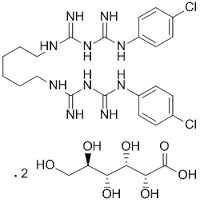
Chlorhexidine digluconate
Price 100 INR
Minimum Order Quantity : 1 , , Kilograms
Molecular Weight : 897.8 Grams (g)
Molecular Formula : C34H54Cl2N10O14
Appearance : Clear liquid
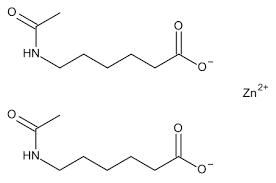
Zinc acexamate impurity A
Price 100 INR
Minimum Order Quantity : 1 Kilograms
Molecular Weight : 409.8 Grams (g)
Molecular Formula : C16H28N2O6Zn
Melting Point : 104.50 C. @ 760.00 mm Hg.
Appearance : white or almost white crystalline powder or flakes
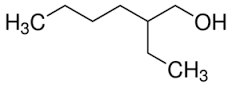
2- Ethyl-1-hexanol
Price 100 INR
Minimum Order Quantity : 1 Kilograms
Molecular Weight : 130.23 Grams (g)
Molecular Formula : C8H18O
Melting Point : 76 C
Appearance : Dark brown liquid
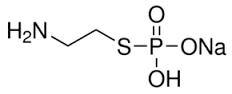
Cysteamine S-phosphate sodium salt
Price 100 INR
Minimum Order Quantity : 1 , , Kilograms
Molecular Weight : 113.61 Grams (g)
Molecular Formula : C2H8ClNS
Melting Point : 95 to 97 C (203 to 207 F)

 Send Inquiry
Our Products


Kesarkunj, Rm No. 9, Vasanji Lalji Road, Kandivali (W), Mumbai - 400067, Maharashtra, India

Mr Nilesh Shah
(Director)
Mobile :08071630254
 Send Inquiry
 Send SMS
Developed and Managed by Infocom Network Private Limited.
