
Call us now :08071630254
 Send Inquiry
 Send Inquiry
Alkalinity
MOQ : 1 Kilograms
Alkalinity Specification
- Usage
- Typically, the amount of residual alkalinity required to maintain pH near neutral is between 70 and 80 mg/L as CaCO3. Alkalinity is a major chemical requirement for nitrification and can be a useful and beneficial tool for use in process control. ... The optimum pH range is between 7.0 and 7.4.
- Melting Point
- 1287
- Molecular Weight
- 100 Grams (g)
- Purity
- 98%
- Molecular Formula
- CaCO3
Alkalinity Trade Information
- Minimum Order Quantity
- 1 Kilograms
- Payment Terms
- Cash Advance (CA), Cash in Advance (CID)
- Supply Ability
- 500 Kilograms Per Month
- Delivery Time
- 3-4 Week
- Sample Available
- Yes
- Sample Policy
- Sample costs shipping and taxes has to be paid by the buyer
- Main Export Market(s)
- Australia, Central America, North America, South America, Eastern Europe, Western Europe, Middle East, Africa, Asia
- Main Domestic Market
- All India
About Alkalinity
Alkalinity is a crucial chemical used for regulating pH levels in various processes. With a purity of 98%, it ensures efficient management of alkalinity requirements. Its molecular formula, CaCO3, and a molecular weight of 100 grams make it highly effective. The compounds melting point of 1287C highlights its stability under varying conditions. It is most commonly used to maintain the pH near neutral levels, ideally between 7.0 and 7.4, ensuring optimal conditions for nitrification. Typically, residual alkalinity required ranges between 70-80 mg/L as CaCO3, which makes this product suitable for analytical and process control applications. Its reliable composition and performance add significant value to chemical processes in industries requiring precise alkalinity adjustments.
FAQs of Alkalinity:
Q: What is the purity of this alkalinity product?
A: The product has a purity of 98%.Q: What is the molecular formula and weight of this product?
A: The molecular formula is CaCO3, and its molecular weight is 100 grams.Q: What is the melting point of this compound?
A: The melting point of this product is 1287C.Q: What are the ideal pH levels maintained using this product?
A: The optimum pH range maintained using this product is between 7.0 and 7.4.Q: What is the typical residual alkalinity required for usage?
A: Typically, residual alkalinity required ranges between 70-80 mg/L as CaCO3.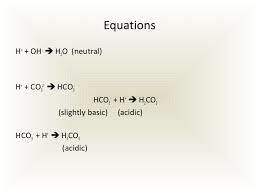
Tell us about your requirement

Price:
Quantity
Select Unit
- 50
- 100
- 200
- 250
- 500
- 1000+
Additional detail
Mobile number
Email

More Products in Analytical Grade Chemicals Category
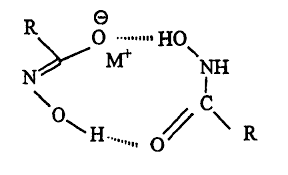
Alkaline earth metal mix for ICP
Molecular Formula : Varies (mixture of alkaline earth metals)
Molecular Weight : Depends on the specific composition
Melting Point : N/A (mixture)
Usage : Calibration standard in chemical laboratories for trace metal analysis
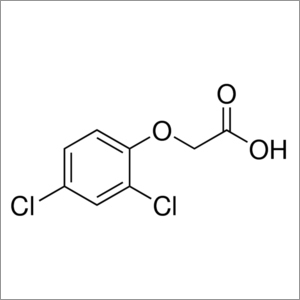
2,4-D
Price 100 INR
Minimum Order Quantity : 1 Kilograms
Molecular Formula : C8H6Cl2O3
Molecular Weight : 220.04 Grams (g)
Melting Point : 140.5 °C (284.9 °F; 413.6 K)
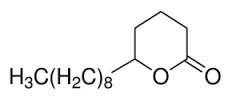
I'-Tetradecalactone
Price 100 INR
Minimum Order Quantity : 1 , , Kilograms
Molecular Formula : C14H26O2
Molecular Weight : 226.35 Grams (g)
Usage : TETRADECALACTONE DELTA has the typical lactone profile with creamy and buttery character. It is widely used in butter, cream, milk and meat flavors. We provide custom synthesis and contract manufacturing from milligrams to metric tonnes.
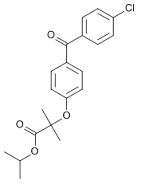
Fenofibrate
Price 100 INR
Minimum Order Quantity : 1 Kilograms
Molecular Formula : C20H21ClO4
Molecular Weight : 360.83 Grams (g)
Melting Point : 7982°C
Usage : Fenofibrate is used along with a proper diet to help lower "bad" cholesterol and fats (such as LDL, triglycerides) and raise "good" cholesterol (HDL) in the blood. It works by increasing the natural substance (enzyme) that breaks down fats in the blood. Fenofibrate belongs to a group of drugs known as "fibrates."

 Send Inquiry
Our Products


Kesarkunj, Rm No. 9, Vasanji Lalji Road, Kandivali (W), Mumbai - 400067, Maharashtra, India

Mr Nilesh Shah
(Director)
Mobile :08071630254
 Send Inquiry
 Send SMS
Developed and Managed by Infocom Network Private Limited.
