
Call us now :08071630254
 Send Inquiry
 Send Inquiry
Alkalinity - WP
Alkalinity - WP Specification
- Shape
- Fine granules
- Properties
- Helps regulate pH levels enhances alkalinity
- Physical Form
- Powder
- Application
- Water treatment pH adjustment
- EINECS No
- 205-633-8
- Usage
- Used in formulations for controlling alkalinity in water systems
- Ingredients
- Sodium bicarbonate trace minerals
- HS Code
- 2836.30
- CAS No
- 144-55-8
- Appearance
- White crystalline powder
- Melting Point
- Decomposes before melting
- Taste
- Bitter
- Solubility
- Water-soluble
- Purity
- 99.5%
- Ph Level
- 8.1
- Grade
- Industrial
- Molecular Weight
- 84.01 g/mol
- Structural Formula
- Na-HCO3
- Shelf Life
- 24 months under recommended storage conditions
- Storage
- Store in a cool dry place away from moisture
- Molecular Formula
- NaHCO3
- Smell
- Odorless
- Poisonous
- NO
- Density
- 2.2 Gram per cubic centimeter(g/cm3)
About Alkalinity - WP
Alkalinity - WP is an industrial-grade, water-soluble powder designed to enhance alkalinity and regulate pH levels in water treatment systems. Its fine, white crystalline texture ensures consistent performance, offering superior solubility for ease of use. Formulated with 99.5% purity and a pH level of 8.1, Alkalinity - WP ensures reliable results in formulations aimed at efficient pH adjustment. It is odorless and bitter-tasting while being non-toxic and safe to handle under recommended guidelines. With a density of 2.2 g/cm and a molecular weight of 84.01 g/mol, it provides consistent quality. Store in a cool, dry place away from moisture to maintain its efficacy for up to 24 months. This product is ideal for industrial applications and contributes to the smooth functioning of water systems.
FAQs of Alkalinity - WP:
Q: What is the primary application of Alkalinity - WP?
A: Alkalinity - WP is primarily used for pH adjustment and enhancing alkalinity in water treatment systems.Q: Is Alkalinity - WP safe to use?
A: Yes, Alkalinity - WP is non-toxic when handled according to recommended guidelines.Q: How should Alkalinity - WP be stored?
A: It should be stored in a cool, dry place, away from moisture to ensure its 24-month shelf life.Q: What is the solubility of Alkalinity - WP?
A: Alkalinity - WP is water-soluble, making it easy to use in various formulations.Q: What is the purity level of Alkalinity - WP?
A: The product is formulated with a purity level of 99.5%.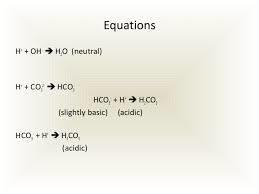
Tell us about your requirement

Price:
Quantity
Select Unit
- 50
- 100
- 200
- 250
- 500
- 1000+
Additional detail
Mobile number
Email

More Products in Analytical Grade Chemicals Category
Internal Standards Mixture
Melting Point : N/A (mixture of compounds)
Molecular Formula : Varies (mixture of compounds)
Appearance : Clear liquid
Purity : >99% (dependent on each included standard)
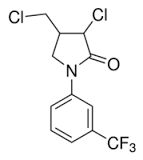
Flurochloridon
Price 100 INR
Minimum Order Quantity : 1 Kilograms
Melting Point : 40.9 °C
Molecular Formula : C12H10Cl2F3NO
Appearance : Brown Solid
Purity : 94.9%
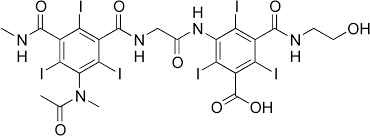
Ioxaglic acid
Price 100 INR
Minimum Order Quantity : 1 Kilograms
Melting Point : 162163 C (324325 F)
Molecular Formula : C24H21I6N5O8
Purity : 98%
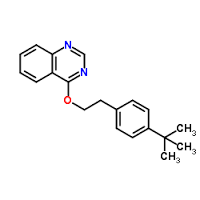
Fenazaquin
Price 100 INR
Minimum Order Quantity : 1 Kilograms
Melting Point : 78.50 °C.
Molecular Formula : C20H22N2O
Appearance : white or almost white power.
Purity : 98%

 Send Inquiry
Our Products


Kesarkunj, Rm No. 9, Vasanji Lalji Road, Kandivali (W), Mumbai - 400067, Maharashtra, India

Mr Nilesh Shah
(Director)
Mobile :08071630254
 Send Inquiry
 Send SMS
Developed and Managed by Infocom Network Private Limited.
