
Call us now :08071630254
 Send Inquiry
 Send Inquiry
Alumina powder for quantitative analysis by X-ray diffraction
Alumina powder for quantitative analysis by X-ray diffraction Specification
- Solubility
- Insoluble in water; soluble in strong acids and alkalis
- Smell
- Odorless
- Grade
- Analytical grade
- Molecular Weight
- 101.96 g/mol
- Storage
- Store in a cool dry place in an airtight container to avoid contamination
- Density
- 4.1 Gram per cubic centimeter(g/cm3)
- Ph Level
- 7 (neutral in water)
- Ingredients
- Highly pure alumina (Al2O3)
- Purity
- >99.9%
- Application
- Used for quantitative analysis in material science X-ray diffraction studies and as a standard reference material
- Molecular Formula
- Al2O3
- Structural Formula
- (Al2O3 structure: hexagonal close-packed)
- Poisonous
- NO
- Refractive Rate
- 1.768
- HS Code
- 281820
- Appearance
- White fine powder
- EINECS No
- 215-691-6
- Shelf Life
- Indefinite under proper storage conditions
- Taste
- Tasteless
- Melting Point
- 2072°C
- CAS No
- 1344-28-1
- Properties
- High purity excellent crystallinity stable chemical properties insoluble in water
- Usage
- Primarily utilized as a sample for X-ray diffraction analysis to determine crystallographic properties of materials
- Shape
- Amorphous powder form
- Physical Form
- Powder
Alumina powder for quantitative analysis by X-ray diffraction About
Alumina powder for quantitative analysis by X-ray diffraction is an odorless, tasteless, and non-poisonous analytical-grade material. This high-purity white fine powder features excellent crystallinity and stable chemical properties, making it ideal for material science applications. It is primarily used as a standard reference material to evaluate crystallographic properties of substances through X-ray diffraction techniques. With a density of 4.1 g/cm, a neutral pH level, and a molecular formula of AlO, it possesses a hexagonal close-packed structure. The powder is insoluble in water but soluble in strong acids and alkalis. It has a refractive rate of 1.768, boasts a melting point of 2072C, and offers indefinite shelf life under proper storage conditions. Store it in a cool, dry place in an airtight container to prevent contamination.
FAQs of Alumina powder for quantitative analysis by X-ray diffraction:

Tell us about your requirement

Price:
Quantity
Select Unit
- 50
- 100
- 200
- 250
- 500
- 1000+
Additional detail
Mobile number
Email

More Products in Analytical Grade Chemicals Category
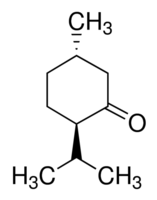
(+)-Menthone
Price 100 INR
Minimum Order Quantity : 1 Kilograms
Molecular Formula : C10H18O
Molecular Weight : 154.25
Melting Point : 6 °C (21 °F; 267 K)

Ponceau SX
Price 100 INR
Minimum Order Quantity : 1 Kilograms
Molecular Formula : Na2C18H14N2S2O7
Molecular Weight : 480.42 Grams (g)

5α-Pregnane-3α,17α,20β-triol Powder
Price 100 INR / Kilograms
Minimum Order Quantity : 1 Kilograms
Molecular Formula : C21H36O3
Molecular Weight : 336.5 Grams (g)
Melting Point : 180
Purity : 98%
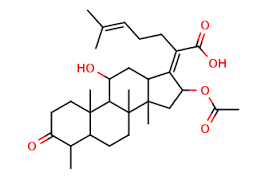
Fusidic acid impurity mixture
Price 100 INR
Minimum Order Quantity : 1 , , Kilograms
Molecular Formula : C62H98O13
Molecular Weight : 1051.4 Grams (g)
Melting Point : 192.5 °C
Purity : 98%

 Send Inquiry
Our Products


Kesarkunj, Rm No. 9, Vasanji Lalji Road, Kandivali (W), Mumbai - 400067, Maharashtra, India

Mr Nilesh Shah
(Director)
Mobile :08071630254
 Send Inquiry
 Send SMS
 Call Me Free
Developed and Managed by Infocom Network Private Limited.
