
Call us now :08071630254
 Send Inquiry
 Send Inquiry
Ambroxol hydrochloride
MOQ : 1 Kilograms
Ambroxol hydrochloride Specification
- Physical Form
- Powder
- Melting Point
- 233-234.5C (dec)
- Usage
- Ambroxol is a drug that breaks up phlegm, used in the treatment of respiratory diseases associated with viscid or excessive mucus. ... Ambroxol is often administered as an active ingredient in cough syrup. It was patented in 1966 and came into medical use in 1979.
- Molecular Weight
- 414.566 Grams (g)
- Solubility
- Soluble in methanol.
- Appearance
- White or yellowish Crystalline Powder
- Molecular Formula
- C13H19Br2ClN2O
- Purity
- 99%
Ambroxol hydrochloride Trade Information
- Minimum Order Quantity
- 1 Kilograms
- Payment Terms
- Cash Advance (CA), Cash in Advance (CID)
- Supply Ability
- 500 Kilograms KG Per Month
- Delivery Time
- 2-8 Week
- Sample Available
- Yes
- Sample Policy
- Sample costs shipping and taxes has to be paid by the buyer
- Packaging Details
- Carton and Poly Bag.
- Main Export Market(s)
- Western Europe, Australia, Central America, Eastern Europe, Africa, Middle East, South America, Asia, North America
- Main Domestic Market
- All India
About Ambroxol hydrochloride
Ambroxol hydrochloride CAS Number 23828-92-4 Empirical Formula (Hill Notation) C13H18Br2N2O HCl Molecular Weight 414.56 grade analytical standard form neat application(s) HPLC: suitable gas chromatography (GC): suitable format neat storage temp. 2-8CFAQs of Ambroxol hydrochloride:
Q: What is the physical form of Ambroxol Hydrochloride?
A: Ambroxol Hydrochloride is available in powder form.Q: How does Ambroxol Hydrochloride appear?
A: It appears as a white or yellowish crystalline powder.Q: What is the molecular formula and weight of Ambroxol Hydrochloride?
A: The molecular formula is C13H19Br2ClN2O, and the molecular weight is 414.566 grams (g).Q: What is the purity of Ambroxol Hydrochloride?
A: The product has a purity of 99%.Q: At what temperature does Ambroxol Hydrochloride melt?
A: The melting point is between 233-234.5C (dec).Q: In what solvents is Ambroxol Hydrochloride soluble?
A: Ambroxol Hydrochloride is soluble in methanol.Q: What is the usage of Ambroxol Hydrochloride?
A: Ambroxol Hydrochloride is a drug that breaks up phlegm, widely used in the treatment of respiratory diseases associated with viscid or excessive mucus. It is often used as an active ingredient in cough syrups.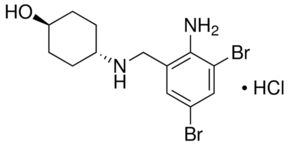
Tell us about your requirement

Price:
Quantity
Select Unit
- 50
- 100
- 200
- 250
- 500
- 1000+
Additional detail
Mobile number
Email

More Products in Analytical Grade Chemicals Category
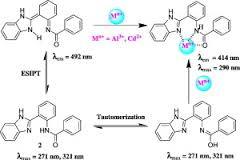
Transition metal mix 1 for ICP
Price 100 INR
Minimum Order Quantity : 1 , , Kilograms
Molecular Weight : N/A (Mixture)
Molecular Formula : N/A (Mixture of Compounds)
Purity : 99.99% Trace Metal Basis
Appearance : Clear, colorless to slightly yellow solution
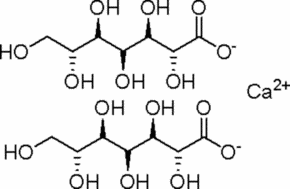
Calcium glucoheptonate
Price 100 INR
Minimum Order Quantity : 1 Kilograms
Molecular Weight : 490.42 Grams (g)
Molecular Formula : C14H26CaO16
Appearance : white crystalline powder (est)
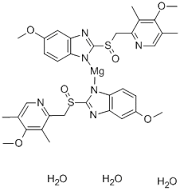
Esomeprazole magnesium trihydrate
Price 100 INR
Minimum Order Quantity : 1 ,
Molecular Weight : 767.2 Grams (g)
Molecular Formula : C34H42MgN6O9S2
Purity : 98%

Tributyltin chloride
Price 100 INR
Minimum Order Quantity : 1 Kilograms
Molecular Weight : 325.51 Grams (g)
Molecular Formula : C12H27SnCl
Purity : 96%
Appearance : Colorless viscous liquid

 Send Inquiry
Our Products


Kesarkunj, Rm No. 9, Vasanji Lalji Road, Kandivali (W), Mumbai - 400067, Maharashtra, India

Mr Nilesh Shah
(Director)
Mobile :08071630254
 Send Inquiry
 Send SMS
 Call Me Free
Developed and Managed by Infocom Network Private Limited.
