
Call us now :08071630254
 Send Inquiry
 Send Inquiry
Amino acid standards for protein hydrolysates containing norleucine
MOQ : 1 , , Kilograms
Amino acid standards for protein hydrolysates containing norleucine Specification
- Molecular Weight
- Varies per component; mixture: not applicable
- Appearance
- White to off-white powder
- Grade
- Analytical/Reagent Grade
- Properties
- Precise blend of amino acids for calibration; includes internal standard
- Physical Form
- Lyophilized powder
- Density
- Gram per cubic centimeter(g/cm3)
- Structural Formula
- Mixture (individual amino acid structures)
- Taste
- Characteristic (not intended for taste use)
- Purity
- 99% (amino acids, individually)
- Application
- Protein hydrolysate analysis, amino acid quantification, HPLC calibration
- Storage
- Store at 28 C, dry and tightly closed
- Smell
- Odorless
- Solubility
- Completely soluble in water and dilute acids
- Shape
- Powdered solid
- CAS No
- NA (Mixture)
- Ingredients
- Mixture includes 17 amino acids plus norleucine (internal standard)
- Ph Level
- Neutral in solution (pH 5.0-7.0, typically 6.2 at 0.1N HCl)
- Refractive Rate
- Not determined (solid mixture)
- Melting Point
- Not applicable (mixture)
- Poisonous
- Non-poisonous
- Product Type
- Amino Acid Standard Mixture
- HS Code
- 38220090
- Molecular Formula
- Mixture of C2H5NO2, C3H7NO2, C4H9NO2, etc. (each amino acid)
- Usage
- For calibration and analytical use in protein hydrolysate analysis as external standards; not for human or animal consumption
- Shelf Life
- At least 2 years if stored properly
- Container Packing
- Sealed vial or amber glass bottle, nitrogen-purged
- Microbial Status
- Sterile-tested for absence of bacteria and fungi
- Suitable Methods
- HPLC, ion-exchange chromatography, and other relevant instruments
- Instructions for Use
- Accurately dissolve required amount in diluent before use
- Lot Number and Expiry
- Printed on label
- Stability
- Stable under recommended storage conditions
- Transport Information
- Non-hazardous material
- Main Components
- Aspartic acid, Glutamic acid, Serine, Glycine, Histidine, Arginine, Threonine, Alanine, Proline, Tyrosine, Valine, Methionine, Cystine, Isoleucine, Leucine, Phenylalanine, Lysine, Norleucine (internal standard)
- Other Names
- Amino Acid Calibrator Mix with Internal Standard Norleucine
- Preparation
- Mixture prepared according to standard amino acid hydrolysate composition with norleucine
Amino acid standards for protein hydrolysates containing norleucine Trade Information
- Minimum Order Quantity
- 1 , , Kilograms
- Payment Terms
- Cash Advance (CA), Cash in Advance (CID)
- Supply Ability
- 500 Kilograms Per Month
- Delivery Time
- 3-4 Week
- Sample Available
- Yes
- Sample Policy
- Sample costs shipping and taxes has to be paid by the buyer
- Main Export Market(s)
- Western Europe, Australia, Central America, Eastern Europe, Africa, Middle East, South America, Asia, North America
- Main Domestic Market
- All India
About Amino acid standards for protein hydrolysates containing norleucine
Amino acid standards for protein hydrolysates containing norleucine
grade analytical standard
form neat
application(s) HPLC: suitable gas chromatography
(GC): suitableformat neatstorage temp. 2-8C
Precision Calibration Standard with Norleucine
This analytical-grade amino acid mixture incorporates norleucine as an internal standard, ensuring precise calibration for protein hydrolysate analysis. Each amino acid componentcarefully measured and blendedaligns with the typical hydrolysate profile, supporting robust quantification and method validation in your laboratory workflow.
Sterile and Stable for Reliable Applications
Prepared and packaged in nitrogen-purged, sealed vials or amber bottles, these standards are sterile and protected from contamination. Their lyophilized powder form ensures ease of handling and long-term stability, provided they are kept dry and refrigerated, greatly extending usability over repeated applications.
Versatile Solution for Analytical Techniques
Designed for use in HPLC, ion-exchange chromatography, and related instrumentation, this mixture fully dissolves in water or dilute acid. Whether calibrating equipment or conducting protein hydrolysate quantification, users benefit from standardized results and improved reproducibility across diverse analytical protocols.
FAQs of Amino acid standards for protein hydrolysates containing norleucine:
Q: How do I properly reconstitute the amino acid standard for protein hydrolysate analysis?
A: Accurately weigh the required amount of the lyophilized powder and dissolve it in a suitable diluentsuch as water or dilute acidimmediately prior to use. Mix gently until completely dissolved to ensure uniformity for precise calibration.Q: What is the benefit of norleucine as an internal standard in this amino acid mixture?
A: Norleucine serves as a stable internal reference, enabling accurate quantification and compensating for instrument and sample variability, thereby enhancing the reliability of your analytical results during protein hydrolysate assessment.Q: When should I use this amino acid standard in my laboratory workflow?
A: Use this standard during the calibration or validation stages of amino acid quantification, particularly in protein hydrolysate analyses using HPLC, ion-exchange chromatography, or similar analytical instruments to establish accurate reference curves.Q: Where should I store the mixture to ensure maximum stability and shelf life?
A: Keep the sealed vial or amber glass bottle refrigerated at 28C, in a dry environment and tightly closed. Proper storage greatly extends the products shelf life to at least two years.Q: What is the process for verifying the sterility and integrity of the product?
A: Each batch undergoes sterility testing to confirm the absence of bacteria and fungi. Additionally, products are packed in sealed, nitrogen-purged containers to maintain purity and prevent contamination throughout the shelf life.Q: Can this amino acid standard be used in methods other than HPLC or ion-exchange chromatography?
A: Yes, the standard is suitable for any analytical technique that requires external amino acid calibration, provided it aligns with the solubility and stability properties of the mixture.Q: What safety precautions should I consider when handling this product?
A: This amino acid mixture is non-poisonous, odorless, and intended strictly for analytical calibration; it is not for human or animal consumption. Avoid ingestion, inhalation, or skin contact, and handle using proper laboratory protective equipment.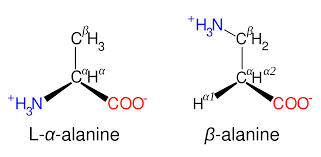
Tell us about your requirement

Price:
Quantity
Select Unit
- 50
- 100
- 200
- 250
- 500
- 1000+
Additional detail
Mobile number
Email

More Products in Analytical Grade Chemicals Category
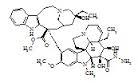
Desacetylvinblastine (C45H54N4O8)
Purity : Highly pure (>95%) as required for pharmaceutical use
Molecular Weight : 794.94 g/mol Grams (g)
Appearance : White to offwhite crystalline solid
Molecular Formula : C45H54N4O8
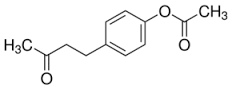
Cuelure
Price 100 INR
Minimum Order Quantity : 1 Kilograms
Molecular Weight : 206.24 Grams (g)
Appearance : Colourless / Pale Yellow Liquid
Molecular Formula : C12H14O3
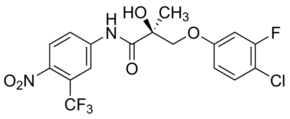
(S)-3-(4-Chloro-3-fluorophenoxy)-2-hydroxy-2-methyl-N-(4-nitro-3-trifluoromethylphenyl)propionamide
Price 100 INR
Minimum Order Quantity : 1 , , Kilograms
Purity : 95%
Molecular Weight : 265.64 Grams (g)
Appearance : Pale Pink to Light Pink Solid.
Molecular Formula : C13H8ClFO3
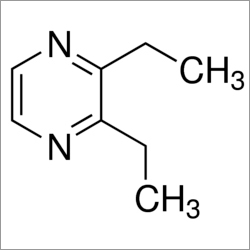
2, 3-Diethylpyrazine
Price 100 INR
Minimum Order Quantity : 1 Kilograms
Purity : 99%
Molecular Weight : 136.198 Grams (g)
Appearance : Colorless to pale yellow clear liquid
Molecular Formula : C8H12N2

 Send Inquiry
Our Products


Kesarkunj, Rm No. 9, Vasanji Lalji Road, Kandivali (W), Mumbai - 400067, Maharashtra, India

Mr Nilesh Shah
(Director)
Mobile :08071630254
 Send Inquiry
 Send SMS
 Call Me Free
Developed and Managed by Infocom Network Private Limited.
