
Call us now :08071630254
 Send Inquiry
 Send Inquiry
Angelica dahuria root
Angelica dahuria root Specification
- Purity
- Natural raw or processed to 98%
- Grade
- Pharmaceutical/Herbal grade
- Taste
- Bitter and slightly sweet
- Ingredients
- Active compounds include coumarins volatile oils and polysaccharides
- Physical Form
- Dried root or powdered form
- Ph Level
- Neutral (approximately 7.0 in natural extracts)
- Storage
- Store in a cool dry place away from sunlight
- Appearance
- Brownish root or fine beige powder
- Application
- Traditional medicine food flavoring cosmetic formulations
- Refractive Rate
- Not applicable for root powder
- Solubility
- Slightly soluble in water soluble in alcohol
- Poisonous
- NO
- Molecular Weight
- 278.39 g/mol
- Melting Point
- Not applicable for root
- Molecular Formula
- C17H26O3
- HS Code
- 1211.90
- Usage
- Used in herbal medicine for respiratory and digestive issues; also used in skincare for soothing properties
- Shape
- Irregular root pieces or powder
- Smell
- Aromatic and earthy
- CAS No
- Not applicable for whole root
- Shelf Life
- 2 years if stored properly
- Properties
- Anti-inflammatory antioxidant antimicrobial
About Angelica dahuria root
Angelica dahurica root is a dried or powdered herbal ingredient, recognized for its aromatic and earthy smell coupled with a bitter and slightly sweet taste. Possessing natural active compounds like coumarins, volatile oils, and polysaccharides, it is celebrated for its pharmaceutical-grade purity, processed to 98%. This root is highly valued in herbal medicine for its anti-inflammatory, antioxidant, and antimicrobial properties, assisting in respiratory and digestive health. Additionally, it functions in skincare formulations for its soothing effects and is used in food flavoring applications. Its irregular root pieces or fine beige powder appear brownish. Angelica dahurica is slightly soluble in water and more soluble in alcohol, with a neutral pH level of approximately 7.0. For optimal shelf life of up to 2 years, store in a cool, dry place away from sunlight. The product is natural, non-poisonous, and safe for various traditional and modern formulations.
FAQs of Angelica dahuria root:
Q: What are the primary uses of Angelica dahurica root?
A: The root is used primarily in herbal medicine for respiratory and digestive health, skincare for soothing properties, food flavoring, and cosmetic formulations.Q: How should Angelica dahurica root be stored?
A: Store it in a cool, dry place away from sunlight to maximize its 2-year shelf life.Q: Is Angelica dahurica root poisonous?
A: No, the root is non-poisonous and safe for various applications.Q: What forms does Angelica dahurica root come in?
A: It is available as dried root pieces or in powdered form.Q: What are its key properties?
A: Angelica dahurica root has anti-inflammatory, antioxidant, and antimicrobial properties, thanks to its natural active compounds.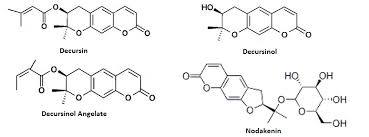
Tell us about your requirement

Price:
Quantity
Select Unit
- 50
- 100
- 200
- 250
- 500
- 1000+
Additional detail
Mobile number
Email

More Products in Analytical Grade Chemicals Category
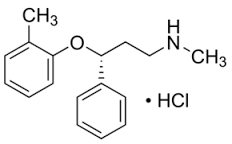
Atomoxetine hydrochloride solution
Price 100 INR
Minimum Order Quantity : 1 Kilograms
Appearance : white solid
Molecular Weight : 291.82.
Molecular Formula : C17H22ClNO
Melting Point : 163168°C
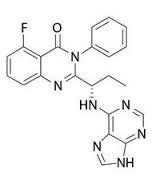
Aspartate Transaminase (AST)
Price 100 INR
Minimum Order Quantity : 1 Kilograms
Appearance : Colourless crystals
Molecular Weight : 133.11 Grams (g)
Molecular Formula : C4H7NO4
Melting Point : 270 °C (518 °F; 543 K)
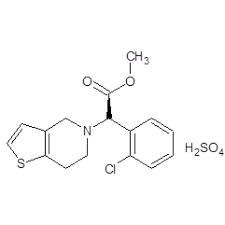
Clopidogrel impurity A
Price 100 INR
Minimum Order Quantity : 1 Kilograms
Appearance : Pale Yellow to Pale Beige Solid
Molecular Weight : 358.28
Molecular Formula : C16H16ClNO2S
Melting Point : 147155°C (dec.)
1,2,4-Tributyl phosphorotrithioate
Price 100 INR
Minimum Order Quantity : 1 , , Kilograms
Appearance : colorless to pale yellow liquid
Molecular Weight : 314.5109 Grams (g)
Molecular Formula : C12H27OPS3
Melting Point : <25°C

 Send Inquiry
Our Products


Kesarkunj, Rm No. 9, Vasanji Lalji Road, Kandivali (W), Mumbai - 400067, Maharashtra, India

Mr Nilesh Shah
(Director)
Mobile :08071630254
 Send Inquiry
 Send SMS
Developed and Managed by Infocom Network Private Limited.
