
Call us now :08071630254
 Send Inquiry
 Send Inquiry
Anions in Soil
Anions in Soil Specification
- Purity
- Depends on the composition of soil extract and test preparation
- Ingredients
- Anions such as nitrate (NO3-) sulfate (SO4-2) chloride (Cl-) in soil samples
- Physical Form
- Other
- Usage
- Used to identify nutrient availability and soil health for crops
- Properties
- Ionic compounds high solubility in water essential for plant nutrition
- Application
- Environmental monitoring soil fertility assessment agricultural management
- Solubility
- Highly soluble in water
- Smell
- Odorless
- Poisonous
- NO
- Storage
- Store soil samples in a cool dry place and test solutions in sealed containers
- Ph Level
- Depends on concentration and anion type; generally pH neutral to slightly acidic or alkaline
- Taste
- Neutral
- CAS No
- Varies based on the anion type (e.g. NO3-: 14797-55-8 SO4-2: 14808-79-8)
- Density
- Gram per cubic centimeter(g/cm3)
- HS Code
- 3822.00
- Structural Formula
- Depends on the anion type (e.g. NO3- for nitrate SO4-2 for sulfate)
- Molecular Formula
- Varies by anion type (e.g. NO3- SO4- Cl-)
- EINECS No
- Varies by anion type
- Shape
- N/A in solution form; associated with molecular geometry of the anions
- Appearance
- Typically analyzed as a clear or slightly cloudy solution when extracted
- Grade
- Analytical grade (tests for determining soil composition)
About Anions in Soil
Anions in Soil are crucial for assessing soil fertility and agricultural management. These ionic compounds, such as nitrate (NO3-), sulfate (SO4-2), and chloride (Cl-), play a vital role in plant nutrition and environmental monitoring. They are highly soluble in water and are typically analyzed as clear or slightly cloudy solutions when extracted. Known for their neutral taste and odorless properties, these compounds are non-poisonous and safe to handle. Analytical-grade anions are tested to identify essential soil nutrients, ensuring healthy crop growth and environmental balance. Their molecular formula, structural geometry, pH levels, and purity depend on the soil sample composition and the specific anion type. For accurate results, anion solutions should be stored in dry, cool conditions within sealed containers. Common applications include soil fertility evaluation and environmental monitoring, supporting sustainable agricultural practices. The solubility and ionic properties of these compounds are indispensable for evaluating plant nutrient availability and maintaining soil health.
FAQs of Anions in Soil:
Q: What are Anions in Soil primarily used for?
A: They are used to determine soil fertility, nutrient availability, and soil health essential for agricultural and environmental management.Q: Are Anions in Soil safe to use?
A: Yes, they are non-poisonous, odorless, and safe to handle when used as directed.Q: What storage conditions are required?
A: Store soil samples in cool, dry places and test solutions in sealed containers to maintain their integrity.Q: What makes these anions essential for plant nutrition?
A: They are highly soluble in water and provide key nutrients like nitrate, sulfate, and chloride vital for plant growth.Q: Does the pH level affect their properties?
A: Yes, the pH level depends on the concentration and type of anion, ranging from neutral to slightly acidic or alkaline.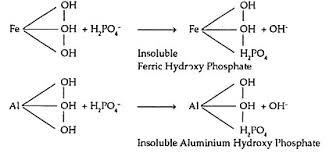
Tell us about your requirement

Price:
Quantity
Select Unit
- 50
- 100
- 200
- 250
- 500
- 1000+
Additional detail
Mobile number
Email

More Products in Analytical Grade Chemicals Category

Trichlorfon
Price 100 INR
Minimum Order Quantity : 1 Kilograms
Molecular Weight : 257.436 Grams (g)
Molecular Formula : C4H8Cl3O4P
Melting Point : 8182 degrees C
Appearance : white crystalline solid
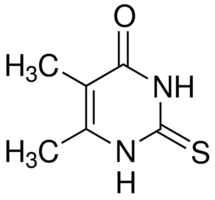
5,6-Dimethyl-2-thiouracil
Price 100 INR
Minimum Order Quantity : 1 Kilograms
Molecular Weight : 128.15 Grams (g)
Molecular Formula : C4H4N2OS
Melting Point : 300–340 °C
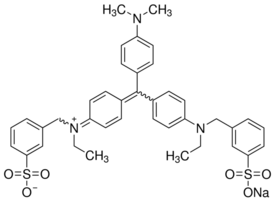
Acids - WP
Price 100 INR
Minimum Order Quantity : 1 , , Kilograms
Molecular Weight : 60.05 Grams (g)
Molecular Formula : C2H4O2
Melting Point : 10°C (283 K)
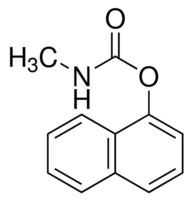
Carbaryl
Price 100 INR
Minimum Order Quantity : 1 Kilograms
Molecular Weight : 201.22 Grams (g)
Molecular Formula : C12H11NO2
Melting Point : 142 °C
Appearance : Colorless crystalline solid

 Send Inquiry
Our Products


Kesarkunj, Rm No. 9, Vasanji Lalji Road, Kandivali (W), Mumbai - 400067, Maharashtra, India

Mr Nilesh Shah
(Director)
Mobile :08071630254
 Send Inquiry
 Send SMS
 Call Me Free
Developed and Managed by Infocom Network Private Limited.
