
Call us now :08071630254
 Send Inquiry
 Send Inquiry
Azelastine Impurity D
MOQ : 1 , , Kilograms
Azelastine Impurity D Specification
- Purity
- 93%
- Molecular Weight
- 381.898 Carat
- Molecular Formula
- C22H24ClN3O
- Usage
- Azelastine is a prescription medication used to treat allergy symptoms of the eyes or nose such as runny or stuffy nose, sneezing, itching.
- Melting Point
- 225C
Azelastine Impurity D Trade Information
- Minimum Order Quantity
- 1 , , Kilograms
- Payment Terms
- Cash in Advance (CID), Cash Advance (CA)
- Supply Ability
- 500 Kilograms Per Month
- Delivery Time
- 3-4 Week
- Sample Available
- Yes
- Sample Policy
- Sample costs shipping and taxes has to be paid by the buyer
- Main Export Market(s)
- Western Europe, Australia, Central America, Middle East, South America, Asia, Eastern Europe, North America, Africa
- Main Domestic Market
- All India
About Azelastine Impurity D
Azelastine Impurity D is a specialized chemical compound with a molecular formula of C22H24ClN3O and a molecular weight of 381.898 carats. Designed for use in pharmaceutical formulation research related to Azelastine, it demonstrates a high melting point of 225C and a purity level of 93%. Azelastine itself is a prescription medication widely used to alleviate allergy symptoms such as sneezing, itching, and nasal congestion. This impurity serves as a benchmark in the quality control and development processes of Azelastine-based products, ensuring efficacy and safety standards are met consistently. It is ideal for entities in the pharmaceutical sector seeking reliable and high-purity chemical ingredients for research, development, and analytical applications.
FAQs of Azelastine Impurity D:
Q: : What is the molecular formula of Azelastine Impurity D?
A: : The molecular formula of Azelastine Impurity D is C22H24ClN3O.Q: : What is the melting point of this impurity?
A: : Azelastine Impurity D has a melting point of 225C.Q: : What is the purity level of the product?
A: : The product has a purity level of 93%.Q: : What usage is associated with Azelastine and its related impurities?
A: : Azelastine is used to treat allergy symptoms, such as sneezing, itching, runny nose, and nasal congestion. Impurities like Azelastine Impurity D are instrumental in research and quality control processes for related formulations.Q: : Who benefits from using Azelastine Impurity D in their processes?
A: : Pharmaceutical suppliers, traders, and researchers working on Azelastine formulations benefit from incorporating Azelastine Impurity D into their processes.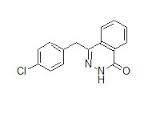
Tell us about your requirement

Price:
Quantity
Select Unit
- 50
- 100
- 200
- 250
- 500
- 1000+
Additional detail
Mobile number
Email

More Products in Analytical Grade Chemicals Category
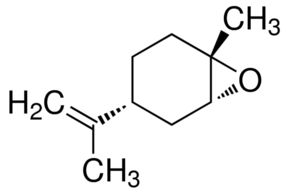
(+)-trans-Limonene 1,2-epoxide
Price 100 INR
Minimum Order Quantity : 1 Kilograms
Molecular Weight : 152.23 Grams (g)
Molecular Formula : C10H16O
Purity : 97%
Appearance : Clear Colorless

Procyanidin A2
Price 100 INR
Minimum Order Quantity : 1 Kilograms
Molecular Weight : 594.5 Grams (g)
Molecular Formula : C30H26O13
Purity : 98%
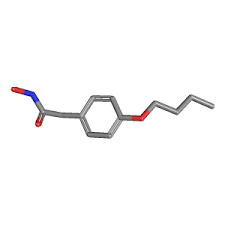
Bufexamac impurity C
Price 100 INR
Minimum Order Quantity : 1 Kilograms
Molecular Weight : 223.27 Grams (g)
Molecular Formula : C12H17NO3
Purity : 99%
Appearance : A solid
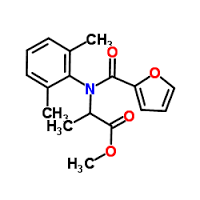
Furalaxyl
Price 100 INR
Minimum Order Quantity : 1 , , Kilograms
Molecular Weight : 301.34 Grams (g)
Molecular Formula : C17H19NO4
Purity : 95%
Appearance : White to dark grey powder

 Send Inquiry
Our Products


Kesarkunj, Rm No. 9, Vasanji Lalji Road, Kandivali (W), Mumbai - 400067, Maharashtra, India

Mr Nilesh Shah
(Director)
Mobile :08071630254
 Send Inquiry
 Send SMS
 Call Me Free
Developed and Managed by Infocom Network Private Limited.
