
Call us now :08071630254
 Send Inquiry
 Send Inquiry
BCR-ABL pDNA calibrantBCR-ABL pDNA calibrant
BCR-ABL pDNA calibrantBCR-ABL pDNA calibrant Specification
- Physical Form
- Lyophilized powder
- Ph Level
- Neutral
- Purity
- High purity >99%
- Solubility
- Soluble in aqueous solutions
- Smell
- Odorless
- Ingredients
- Plasmid DNA stabilizing buffer components.
- Application
- Used as a reference calibrant in molecular diagnostic assays particularly for quantitative PCR assays related to BCR-ABL gene detection.
- Structural Formula
- Plasmid DNA containing the BCR-ABL fusion gene sequence.
- Properties
- Highly stable and consistent quantification for molecular diagnostics.
- Shape
- Powdered form
- Storage
- Store at -20C or lower in a dry and dark environment.
- Poisonous
- NO
- HS Code
- 3822.00
- Appearance
- White to off-white powder
- Grade
- Research grade
- Shelf Life
- 12 months from the date of manufacture when stored properly.
- Usage
- For research use only. Not for use in clinical diagnostics.
About BCR-ABL pDNA calibrantBCR-ABL pDNA calibrant
The BCR-ABL pDNA calibrant is a high-purity, lyophilized plasmid DNA containing the BCR-ABL fusion gene sequence, specifically engineered for molecular diagnostic assays such as quantitative PCR. It serves as a reliable reference calibrant for precise quantification and detection of BCR-ABL gene sequences, ensuring consistent performance and assay accuracy. This odorless, white to off-white powder is highly stable with a purity exceeding 99%, making it ideal for research applications. Soluble in aqueous solutions and neutral in pH, the calibrant is packaged for research-grade usage only and is not intended for clinical diagnostics. It is provided in a stable powdered form with a shelf life of 12 months when stored properly at -20C or lower in a dry and dark environment. The product composition includes plasmid DNA and stabilizing buffer components. Compliant with HS code 3822.00, this calibrant is designed to fulfill stringent demands of molecular diagnostic research.
FAQs of BCR-ABL pDNA calibrantBCR-ABL pDNA calibrant:
Q: What is the primary application of the BCR-ABL pDNA calibrant?
A: It is used as a reference calibrant for molecular diagnostic assays, particularly for quantitative PCR assays related to BCR-ABL gene detection.Q: How should the product be stored?
A: Store it at -20C or lower in a dry and dark environment.Q: Can this product be used for clinical diagnostics?
A: No, it is strictly for research use only and not for clinical diagnostics.Q: What is the shelf life of the calibrant?
A: The shelf life is 12 months from the date of manufacture when stored as recommended.Q: Is the BCR-ABL pDNA calibrant soluble?
A: Yes, it is soluble in aqueous solutions.
Tell us about your requirement

Price:
Quantity
Select Unit
- 50
- 100
- 200
- 250
- 500
- 1000+
Additional detail
Mobile number
Email

More Products in Analytical Grade Chemicals Category
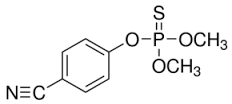
Cyanophos
Price 100 INR
Minimum Order Quantity : 1 Kilograms
Molecular Formula : C9H10NO3PS
Melting Point : 60 °C (140 °F; 333 K)
Molecular Weight : 243.22 Grams (g)

Bergaptol
Price 100 INR
Minimum Order Quantity : 1 Kilograms
Molecular Formula : C11H6O4
Melting Point : 280.00 to 282.00 °C. @ 760.00 mm Hg
Molecular Weight : 202.16 Grams (g)
Usage : Recommendation for bergaptol usage levels up to: not for fragrance use. Recommendation for bergaptol flavor usage levels up to: not for flavor use.
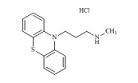
Chlorpromazine impurity A
Price 100 INR
Minimum Order Quantity : 1 Kilograms
Molecular Formula : C17H19ClN2OS
Melting Point : 174176˚C.
Molecular Weight : 334.86 Grams (g)
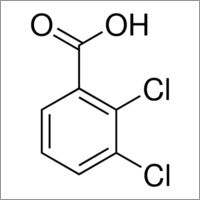
2,3-Dichlorobenzoic acid
Price 100 INR
Minimum Order Quantity : 1 Kilograms
Molecular Formula : C7H4Cl2O2
Melting Point : 152.0°C to 157.0°C
Molecular Weight : 191.01 Grams (g)
Usage : 2,4Dichlorobenzoic acid was used in solidphase extraction and gas chromatographic determination of polar acidic herbicides in surface water. It was used as reagent during the synthesis of pyrimido[2′,1′:2,3]thiazolo[4,5b]quinoxaline derivatives.

 Send Inquiry
Our Products


Kesarkunj, Rm No. 9, Vasanji Lalji Road, Kandivali (W), Mumbai - 400067, Maharashtra, India

Mr Nilesh Shah
(Director)
Mobile :08071630254
 Send Inquiry
 Send SMS
Developed and Managed by Infocom Network Private Limited.
