
Call us now :08071630254
 Send Inquiry
 Send Inquiry
Benzene
MOQ : 1 Kilograms
Benzene Specification
- Usage
- Benzene is a widely used industrial chemical. Benzene is found in crude oil and is a major part of gasoline. It's used to make plastics, resins, synthetic fibers, rubber lubricants, dyes, detergents, drugs and pesticides. Benzene is produced naturally by volcanoes and forest fires.
- Appearance
- clear colorless liquid
- Density
- 876 Kilogram per cubic meter (kg/m3)
- Molecular Formula
- C6H6
- Melting Point
- 5.5 C
- Physical Form
- Liquid
Benzene Trade Information
- Minimum Order Quantity
- 1 Kilograms
- Payment Terms
- Cash in Advance (CID), Cash Advance (CA)
- Supply Ability
- 500 Kilograms KG Per Month
- Delivery Time
- 2-8 Week
- Sample Available
- Yes
- Sample Policy
- Sample costs shipping and taxes has to be paid by the buyer
- Packaging Details
- Carton and Poly Bag.
- Main Export Market(s)
- Western Europe, Australia, Eastern Europe, Africa, Middle East, South America, Asia, Central America, North America
- Main Domestic Market
- All India
About Benzene
Benzene Empirical Formula (Hill Notation): C6H6Molecular Weight: 78.11CAS Number: 71-43-2 grade analytical standard vapor density 2.77 (vs air) vapor pressure 166 mmHg ( 37.7 C) 74.6 mmHg ( 20 C) assay 99.9% (GC) form neat neat autoignition temp. 1043F shelf life limited shelf life, expiry date on the label expl. lim. 8% application(s) HPLC: suitable gas chromatography (GC): suitable refractive index n20/D 1.501(lit.) n20/D 1.501 bp 80C(lit.) mp 5.5C(lit.) density 0.874g/mLat 25C(lit.) format neat grade certified reference material vapor density 2.77 (vs air) vapor pressure 166 mmHg ( 37.7 C) 74.6 mmHg ( 20 C) form neat autoignition temp. 1043F feature nist traceable 3000 expl. lim. 8% refractive index n20/D 1.501(lit.) bp 80C(lit.) mp 5.5C(lit.) density 0.874g/mLat 25C(lit.) format neat pharmacopeia traceability traceable to USP 1601146FAQs of Benzene:
Q: What is the physical form of Benzene?
A: Benzene is in liquid form.Q: What is the density of Benzene?
A: The density of Benzene is 876 kilograms per cubic meter (kg/m).Q: What are the industrial applications of Benzene?
A: Benzene is used to make plastics, resins, synthetic fibers, rubber lubricants, dyes, detergents, drugs, and pesticides.Q: What is the molecular formula of Benzene?
A: The molecular formula of Benzene is C6H6.Q: What is the melting point of Benzene?
A: The melting point of Benzene is 5.5C.Q: What is the appearance of Benzene?
A: Benzene is a clear, colorless liquid.Q: Where is Benzene naturally found?
A: Benzene is naturally produced by volcanoes and forest fires and is also found in crude oil.
Tell us about your requirement

Price:
Quantity
Select Unit
- 50
- 100
- 200
- 250
- 500
- 1000+
Additional detail
Mobile number
Email

More Products in Analytical Grade Chemicals Category
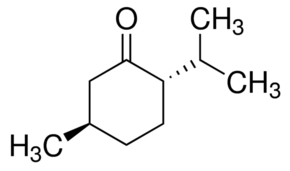
()-Menthone
Minimum Order Quantity : 1 Kilograms
Molecular Formula : C10H18O
Molecular Weight : 154.25 g/mol
Usage : Flavoring, perfume and cosmetics for its characteristic aromatic and minty odor.
Purity : 98%
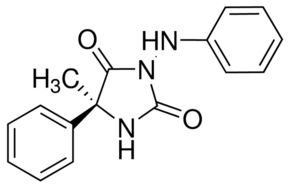
(S)-3-Anilino-5-methyl-5-phenylimidazolidine-2,4-dione
Price 100 INR
Minimum Order Quantity : 1 , , Kilograms
Molecular Formula : C3H4N2O2
Molecular Weight : 190.2
Purity : 98%
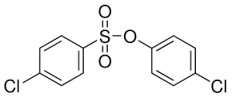
Chlorfenson
Price 100 INR
Minimum Order Quantity : 1 Kilograms
Molecular Formula : C12H8Cl2O3S
Molecular Weight : 303.2 Grams (g)
Purity : 98%
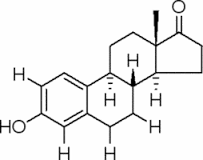
Estrone solution
Price 100 INR
Minimum Order Quantity : 1 Kilograms
Molecular Formula : C18H22O2
Molecular Weight : 270.366 Grams (g)
Usage : Estrone has been marketed in intramuscular and vaginal formulations and was used as an estrogen in the treatment of symptoms of low estrogen levels such as hot flashes and vaginal atrophy in postmenopausal or ovariectomized women.

 Send Inquiry
Our Products


Kesarkunj, Rm No. 9, Vasanji Lalji Road, Kandivali (W), Mumbai - 400067, Maharashtra, India

Mr Nilesh Shah
(Director)
Mobile :08071630254
 Send Inquiry
 Send SMS
 Call Me Free
Developed and Managed by Infocom Network Private Limited.
