
Call us now :08071630254
 Send Inquiry
 Send Inquiry
Benzophenone-9
MOQ : 1 Kilograms
Benzophenone-9 Specification
- Usage
- Benzophenone can be used as a photo initiator in UV-curing applications such as inks, imaging, and clear coatings in the printing industry. Benzophenone prevents ultraviolet (UV) light from damaging scents and colors in products such as perfumes and soaps.
- Melting Point
- 48.5 C
- Molecular Formula
- C13H10O
- Purity
- 95%
- Solubility
- Insoluble
- Molecular Weight
- 182.217 Grams (g)
Benzophenone-9 Trade Information
- Minimum Order Quantity
- 1 Kilograms
- Payment Terms
- Cash in Advance (CID), Cash Advance (CA)
- Supply Ability
- 500 Kilograms Per Month
- Delivery Time
- 3-4 Week
- Sample Available
- Yes
- Sample Policy
- Sample costs shipping and taxes has to be paid by the buyer
- Main Export Market(s)
- Australia, Eastern Europe, Western Europe, Middle East, Central America, South America, Asia, North America, Africa
- Main Domestic Market
- All India
About Benzophenone-9
Benzophenone-9 Synonym: 2,2-Dihydroxy-4,4-dimethoxybenzophenone-5,5-disulfonic acid disodium salt, Disodium 2,2-dihydroxy-4,4-dimethoxy-5,5-disulfobenzophenone, Disodium 2,2-dihydroxy-4,4-dimethoxybenzophenone-5,5-disulfonate, Disodium 3,3-carbonylbis[4-hydroxy-6-methoxybenzenesulphonate] Empirical Formula (Hill Notation): C15H12Na2O11S2Molecular Weight: 478.36CAS Number: 76656-36-5 grade analytical standard assay 98.0% (HPLC) form neat shelf life limited shelf life, expiry date on the label application(s) HPLC: suitable gas chromatography (GC): suitable impurities 5.0% water (calc. from elemental analysis) format neatFAQs of Benzophenone-9:
Q: What is the molecular formula of Benzophenone-9?
A: The molecular formula of Benzophenone-9 is C13H10O.Q: What is the melting point of Benzophenone-9?
A: The melting point of Benzophenone-9 is 48.5 C.Q: What is the purity percentage of Benzophenone-9?
A: The purity of Benzophenone-9 is 95%.Q: Is Benzophenone-9 soluble in water?
A: No, Benzophenone-9 is insoluble in water.Q: What are the primary applications of Benzophenone-9?
A: Benzophenone-9 can be used as a photo initiator in UV-curing applications such as inks, imaging, and clear coatings in the printing industry. It also prevents ultraviolet (UV) light from damaging scents and colors in products like perfumes and soaps.
Tell us about your requirement

Price:
Quantity
Select Unit
- 50
- 100
- 200
- 250
- 500
- 1000+
Additional detail
Mobile number
Email

More Products in Analytical Grade Chemicals Category
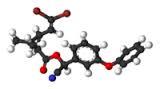
Deltamethrin
Price 100 INR
Minimum Order Quantity : 1 Kilograms
Molecular Weight : 505.21
Molecular Formula : C22H19Br2NO3
Usage : Deltamethrin is a broadspectrum insecticide. Deltamethrin has been registered for use on areas such as golf courses, ornamental gardens, lawns, outdoor perimeter treatments, indoors as spot and crack and crevice treatments, and pet collars. Uses for individual deltamethrin products vary widely.
Purity : 98%
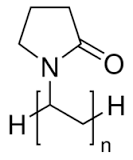
Crospovidone
Price 100 INR
Minimum Order Quantity : 1 Kilograms
Molecular Weight : 11.143 Grams (g)
Molecular Formula : C6H9NO
Usage : It is used as a binder in many pharmaceutical tablets; it simply passes through the body when taken orally. (However, autopsies have found that crospovidone (PVPP) contributes to pulmonary vascular injury in substance abusers who have injected pharmaceutical tablets intended for oral consumption.
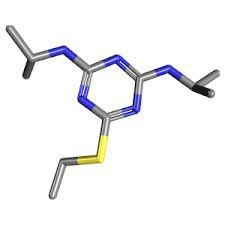
Dipropetryn
Price 100 INR
Minimum Order Quantity : 1 Kilograms
Molecular Weight : 255.384
Molecular Formula : C11H21N5S
Purity : 99%

Trichloroethylene
Price 100 INR
Minimum Order Quantity : 1 Kilograms
Molecular Weight : 131.4 g Grams (g)
Molecular Formula : C2HCl3
Usage : Trichloroethylene, also known as TCE, is a colorless, volatile liquid that is produced in large volumes for commercial use. It is primarily used in two ways to make hydrofluorocarbon chemicals, especially refrigerants, and as a solvent to remove grease from metal parts, although this use is declining.

 Send Inquiry
Our Products


Kesarkunj, Rm No. 9, Vasanji Lalji Road, Kandivali (W), Mumbai - 400067, Maharashtra, India

Mr Nilesh Shah
(Director)
Mobile :08071630254
 Send Inquiry
 Send SMS
Developed and Managed by Infocom Network Private Limited.
