
Call us now :08071630254
 Send Inquiry
 Send Inquiry
CAPROLACTAM KETTLE BOTTOM
MOQ : 1 Kilograms
CAPROLACTAM KETTLE BOTTOM Specification
- Appearance
- White crystal
- Usage
- Caprolactam Uses and Market Data. Caprolactam is an intermediate primarily used in the production of nylon 6 fibres and resins. Around 68% of caprolactam is consumed in the production of nylon fibres for textile, carpet and industrial yarns with the rest used in engineering resins and films.
- Molecular Weight
- 113.18 Grams (g)
- Purity
- 98%
- Molecular Formula
- C6H11NO
CAPROLACTAM KETTLE BOTTOM Trade Information
- Minimum Order Quantity
- 1 Kilograms
- Payment Terms
- Cash in Advance (CID), Cash Advance (CA)
- Supply Ability
- 500 Kilograms KG Per Month
- Delivery Time
- 2-8 Week
- Sample Available
- Yes
- Sample Policy
- Sample costs shipping and taxes has to be paid by the buyer
- Packaging Details
- Carton and Poly Bag.
- Main Export Market(s)
- Western Europe, Eastern Europe, Middle East, Central America, Africa, South America, Australia, Asia, North America
- Main Domestic Market
- All India
About CAPROLACTAM KETTLE BOTTOM
APPLICATION: The caprolactam in the kettle bottoms can be extracted, purified and used as main precursor for Nylon (as well as other various polymerization processes). Caprolactam Kettle Bottoms can be used as fuel.PACKAGING: Caprolactam Kettle Bottoms is packaged in 55-gallon fiber drums. It is available by full container loads only.Caprolactam Kettle Bottoms is a mixture of caprolactam and insoluble oligomers of caprolactam. The components of the mixture are listed under Typical Composition. Caprolactam Kettle Bottoms is a semi-solid tar with low odor intensity.FAQs of CAPROLACTAM KETTLE BOTTOM:
Q: What is the primary usage of Caprolactam Kettle Bottom?
A: Caprolactam Kettle Bottom is primarily used as an intermediate in the production of nylon 6 fibers and resins.Q: What industries utilize nylon fibers made from Caprolactam Kettle Bottom?
A: Nylon fibers derived from Caprolactam Kettle Bottom are widely used in the textile industry, carpeting, and industrial yarn production.Q: What is the purity level of Caprolactam Kettle Bottom?
A: The purity level of Caprolactam Kettle Bottom is 98%.Q: What is the appearance of Caprolactam Kettle Bottom?
A: Caprolactam Kettle Bottom appears as a white crystal.Q: What is the molecular formula and molecular weight of Caprolactam Kettle Bottom?
A: The molecular formula is C6H11NO, and the molecular weight is 113.18 grams (g).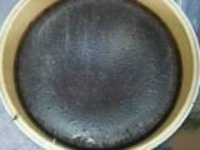
Tell us about your requirement

Price:
Quantity
Select Unit
- 50
- 100
- 200
- 250
- 500
- 1000+
Additional detail
Mobile number
Email

More Products in Analytical Grade Chemicals Category
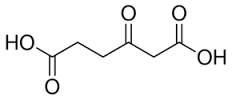
EPA 502/524 Volatiles Organic Calibration Mix A (without gases)
Melting Point : Not applicable (mixture)
Molecular Weight : Varies depending on individual components
Purity : Defined by EPA method specifications; varies by individual components
Molecular Formula : Varies; mix of multiple compounds
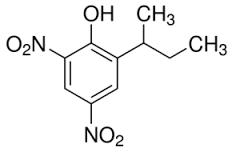
Dinoseb
Price 100 INR
Minimum Order Quantity : 1 Kilograms
Melting Point : 38–42 °C (100–108 °F; 311–315 K)
Molecular Weight : 240.215 Grams (g)
Purity : 98%
Molecular Formula : C10H12N2O5
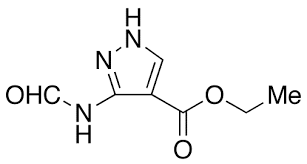
Allopurinol impurity B
Price 100 INR
Minimum Order Quantity : 1 Kilograms
Melting Point : >200ºC (dec.)
Molecular Weight : 154.13 Grams (g)
Purity : 99%
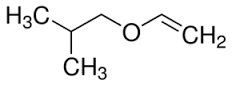
Isobutyl vinyl ether
Price 100 INR
Minimum Order Quantity : 1 Kilograms
Melting Point : 112 C
Molecular Weight : 100.16 Grams (g)
Purity : 99%
Molecular Formula : C6H12O

 Send Inquiry
Our Products


Kesarkunj, Rm No. 9, Vasanji Lalji Road, Kandivali (W), Mumbai - 400067, Maharashtra, India

Mr Nilesh Shah
(Director)
Mobile :08071630254
 Send Inquiry
 Send SMS
Developed and Managed by Infocom Network Private Limited.
