
Call us now :08071630254
 Send Inquiry
 Send Inquiry
Carbon Monoxide, Carbon Dioxide, Hydrogen, Methane and Oxygen
Carbon Monoxide, Carbon Dioxide, Hydrogen, Methane and Oxygen Specification
- Structural Formula
- Carbon monoxide: CO; Carbon dioxide: O=C=O; Hydrogen: H-H; Methane: CH4; Oxygen: O=O
- Grade
- Industrial grade medical grade (oxygen) and ultra-high purity for laboratory or specialty uses
- Shelf Life
- Indefinite under proper storage conditions
- EINECS No
- Carbon monoxide: 211-128-3; Carbon dioxide: 204-696-9; Hydrogen: 215-605-7; Methane: 200-812-7; Oxygen: 231-956-9
- Poisonous
- NO
- Refractive Rate
- Not commonly measured for gases in typical industrial or laboratory settings
- Melting Point
- Carbon monoxide: -205 C (-337 F); Carbon dioxide: -78.5 C (-109.3 F sublimation); Hydrogen: -259.2 C (-434.6 F); Methane: -182.5 C (-296.5 F); Oxygen: -218.8 C (-361.8 F)
- Molecular Formula
- Carbon monoxide: CO; Carbon dioxide: CO2; Hydrogen: H2; Methane: CH4; Oxygen: O2
- Solubility
- Carbon monoxide: Slightly soluble in water; Carbon dioxide: Soluble in water forms carbonic acid; Hydrogen: Insoluble in water; Methane: Insoluble in water; Oxygen: Slightly soluble in water
- Usage
- Depends on individual gas: industrial medical and laboratory environments
- Properties
- Gaseous at standard conditions; each gas has unique combustion thermal and chemical properties
- Ph Level
- Not applicable (gaseous state)
- Application
- Carbon monoxide: Chemical synthesis reducing agent in metallurgy; Carbon dioxide: Carbonation refrigeration enhanced oil recovery; Hydrogen: Fuel cells synthetic fuels industrial chemical production; Methane: Fuel feedstock for chemical synthesis; Oxygen: Medical use industrial oxidant welding and steelmaking
- Ingredients
- Single molecules: Carbon monoxide: CO; Carbon dioxide: CO2; Hydrogen: H2; Methane: CH4; Oxygen: O2
- Appearance
- Colorless gases
- Purity
- Typically ranges from 99% to ultra-high purity (99.999%) depending on usage
- Taste
- Odorless and tasteless
- Density
- 1.145 Gram per cubic centimeter(g/cm3)
- HS Code
- Depends on usage and form; example: CO2 (2811.21) hydrogen (2804.10) methane (2711.21)
- Molecular Weight
- Carbon monoxide: 28.01 g/mol; Carbon dioxide: 44.01 g/mol; Hydrogen: 2.016 g/mol; Methane: 16.04 g/mol; Oxygen: 32.00 g/mol
- CAS No
- Carbon monoxide: 630-08-0; Carbon dioxide: 124-38-9; Hydrogen: 1333-74-0; Methane: 74-82-8; Oxygen: 7782-44-7
- Physical Form
- Colorless gases
- Storage
- Store in high-pressure cylinders or tanks away from heat flames and incompatible materials
- Smell
- Carbon monoxide: Odorless; Carbon dioxide: Odorless; Hydrogen: Odorless; Methane: Odorless; Oxygen: Odorless
About Carbon Monoxide, Carbon Dioxide, Hydrogen, Methane and Oxygen
Carbon Monoxide, Carbon Dioxide, Hydrogen, Methane and Oxygengrade analytical standardform gaspackaging aerosol can of 4Lconcentration 1mol each component in nitrogenapplication(s) HPLC: suitablegas chromatography (GC): suitableFAQs of Carbon Monoxide, Carbon Dioxide, Hydrogen, Methane and Oxygen:
Q: What are the applications of Carbon Monoxide, Carbon Dioxide, Hydrogen, Methane, and Oxygen?
A: Carbon monoxide: Chemical synthesis, reducing agent in metallurgy. Carbon dioxide: Carbonation, refrigeration, enhanced oil recovery. Hydrogen: Fuel cells, synthetic fuels, industrial chemical production. Methane: Fuel, feedstock for chemical synthesis. Oxygen: Medical use, industrial oxidant, welding, and steelmaking.Q: How should these gases be stored?
A: They should be stored in high-pressure cylinders or tanks, away from heat, flames, and incompatible materials.Q: What is the purity level of these gases?
A: The purity typically ranges from 99% to ultra-high purity (99.999%) depending on usage.Q: Are these gases poisonous?
A: No, these gases are non-poisonous.Q: What is the shelf life of these gases?
A: They have an indefinite shelf life under proper storage conditions.
Tell us about your requirement

Price:
Quantity
Select Unit
- 50
- 100
- 200
- 250
- 500
- 1000+
Additional detail
Mobile number
Email

More Products in Analytical Grade Chemicals Category
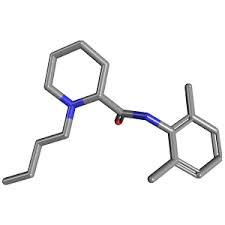
Desbutylbupivacaine
Molecular Weight : 274.4 g/mol
Molecular Formula : C17H26N2O
Melting Point : 8890C
Usage : Widely used in epidural or nerve block anesthesia
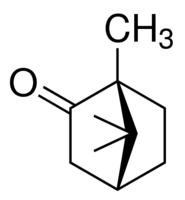
D-Camphor
Price 100 INR
Minimum Order Quantity : 1 Kilograms
Molecular Weight : 152.23 Grams (g)
Molecular Formula : C10H16O
Melting Point : 175177 C (347351 F; 448450 K)
Usage : camphor topically to relieve pain and reduce itching. It has also been used to treat fungal infections of the toenail, warts, cold sores, hemorrhoids, and osteoarthritis. Camphor is used topically to increase local blood flow and as a counterirritant, which reduces pain and swelling by causing irritation.

(+)-3-Carene
Price 100 INR
Minimum Order Quantity : 1 Kilograms
Molecular Weight : 136.23 Grams (g)
Molecular Formula : C10H16
Usage : It is used as a raw material in perfumes, cosmetics, flavors and terpene resins
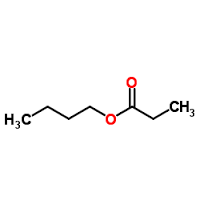
Butyl propionate
Price 100 INR / Kilograms
Minimum Order Quantity : 1 Kilograms
Molecular Weight : 130.2 Grams (g)
Molecular Formula : C7H14O2
Melting Point : 90C

 Send Inquiry
Our Products


Kesarkunj, Rm No. 9, Vasanji Lalji Road, Kandivali (W), Mumbai - 400067, Maharashtra, India

Mr Nilesh Shah
(Director)
Mobile :08071630254
 Send Inquiry
 Send SMS
Developed and Managed by Infocom Network Private Limited.
