
Call us now :08071630254
 Send Inquiry
 Send Inquiry
Carbonyl-DNPH Mix 2
MOQ : 1 , Kilograms
Carbonyl-DNPH Mix 2 Specification
- Purity
- 99%
- Usage
- Calibration of HPLC systems, method development and validation
- Solubility
- Soluble in water, methanol, and acetonitrile
- Product Type
- Chemical Reagent
- Physical Form
- Liquid or Solution
- Poisonous
- YES
- Ph Level
- Acidic
- Grade
- Analytical Grade
- Appearance
- Yellow-Orange solution
- Molecular Weight
- Varied
- Shelf Life
- 12 months
- Molecular Formula
- Varied (contains 2,4-DNPH and carbonyl standards)
- Ingredients
- 2,4-Dinitrophenylhydrazine with standard carbonyl compounds
- Structural Formula
- Not applicable (mixture)
- HS Code
- 38220090
- Storage
- Store at 2-8C, protect from light
- Application
- Standard for carbonyls in air analysis, laboratory reagent
- Properties
- Selective for carbonyl groups detection
- Density
- 1.07 Gram per cubic centimeter(g/cm3)
- Smell
- Slightly aromatic
- Hazard Class
- Irritant, handle with gloves and eye protection
- Pack Size
- 10 mL, 25 mL, 100 mL
- Packaging Type
- Sealed amber glass bottle
- Stability
- Stable under recommended storage conditions
- Flash Point
- 39C (acetonitrile)
Carbonyl-DNPH Mix 2 Trade Information
- Minimum Order Quantity
- 1 , Kilograms
- Payment Terms
- Cash Against Delivery (CAD)
- Supply Ability
- , Kilograms
- Delivery Time
- 3-4
- Sample Available
- Yes
- Sample Policy
- Sample costs shipping and taxes has to be paid by the buyer
- Main Export Market(s)
- Asia
- Main Domestic Market
- All India
About Carbonyl-DNPH Mix 2
Carbonyl-DNPH Mix 2
| CofA | certificate of analysis is enclosed in each package. |
| packaging | ampule of 1 mL |
| concentration | in acetonitrile (as aldehydes and ketones; varied conc.) |
| application(s) | HPLC: suitable |
| gas chromatography (GC): suitable |
High-Precision Carbonyl Detection
Carbonyl-DNPH Mix 2 ensures reliable calibration and method development for the detection of carbonyl groups. Its formulation, containing 2,4-dinitrophenylhydrazine and carbonyl standards, offers specificity and accuracy in both air analysis and HPLC systems. The analytical grade purity guarantees dependable performance in laboratory environments.
Secure Packaging and Long-Term Stability
Supplied in sealed amber glass bottles, this mix protects sensitive components from light exposure and environmental factors. With three packaging options (10 mL, 25 mL, 100 mL), users can select the optimal volume for their needs. Provided proper storage at 2-8C, the solution remains stable and effective for up to 12 months.
Laboratory Safety and Proper Handling
As an irritant and poisonous mixture, Carbonyl-DNPH Mix 2 must be handled using gloves and eye protection. All procedures should be performed in well-ventilated labs, adhering to safety guidelines. The products flash point is 39C (acetonitrile), necessitating careful management away from ignition sources.
FAQs of Carbonyl-DNPH Mix 2:
Q: How should Carbonyl-DNPH Mix 2 be properly stored to maintain its stability?
A: To ensure the stability and effectiveness of Carbonyl-DNPH Mix 2, store the sealed amber glass bottle at temperatures between 2-8C and protect it from light. When stored under these recommended conditions, the solution remains stable for up to twelve months.Q: What is the primary use of Carbonyl-DNPH Mix 2 in laboratory settings?
A: Carbonyl-DNPH Mix 2 is primarily used as a calibration standard for HPLC systems and for developing and validating methods that detect and quantify carbonyl compounds, especially in air analysis. Its selectivity and high purity make it ideal for calibration and as a reference reagent.Q: When is it necessary to wear protective gear while handling this product?
A: Personal protective equipment, including gloves and eye protection, must be worn at all times when handling Carbonyl-DNPH Mix 2. The solution is classified as an irritant and is poisonous, making safety precautions essential,Q: Where can this product be used most effectively?
A: This mix is best suited for laboratory environments, particularly in analytical chemistry labs performing air quality monitoring, HPLC calibration, and other research requiring accurate detection of carbonyl groups.Q: What is the recommended process for using Carbonyl-DNPH Mix 2 in HPLC calibration?
A: For HPLC calibration, dilute the mix as required, follow your instruments method for carbonyl group analysis, and use the standard to establish calibration curves or validate analytical protocols. Always adhere to proper laboratory safety procedures during preparation and use.Q: What are the key benefits of choosing Carbonyl-DNPH Mix 2?
A: This product offers superior selectivity for carbonyl detection, high purity (99%), and excellent solubility in water, methanol, and acetonitrile. Its availability in secure packaging and stable formulation ensures reliable results and user safety during air analysis or method development.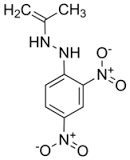
Tell us about your requirement

Price:
Quantity
Select Unit
- 50
- 100
- 200
- 250
- 500
- 1000+
Additional detail
Mobile number
Email

More Products in Analytical Grade Chemicals Category
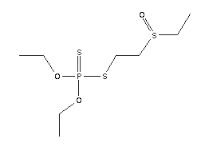
Disulfoton- sulfoxide
Price 100 INR
Minimum Order Quantity : 1 Kilograms
Molecular Weight : 274.4 Grams (g)
Molecular Formula : C8H19O3PS3
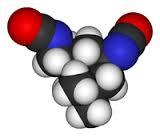
Isophorone diisocyanate
Price 100 INR
Minimum Order Quantity : 1 Kilograms
Molecular Weight : 222.3 Grams (g)
Molecular Formula : C12H18N2O2
Melting Point : 60 C
Purity : 98%
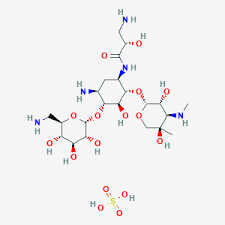
Isepamicin sulfate
Price 100 INR
Minimum Order Quantity : 1 Kilograms
Molecular Weight : 667.7 Grams (g)
Molecular Formula : C22H45N5O16S
Melting Point : 235242C
Purity : 95%
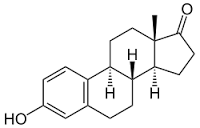
Estrone
Price 100 INR
Minimum Order Quantity : 1 Kilograms
Molecular Weight : 270.366 Grams (g)
Molecular Formula : C18H22O2
Melting Point : 254.5
Purity : 97%

 Send Inquiry
Our Products


Kesarkunj, Rm No. 9, Vasanji Lalji Road, Kandivali (W), Mumbai - 400067, Maharashtra, India

Mr Nilesh Shah
(Director)
Mobile :08071630254
 Send Inquiry
 Send SMS
Developed and Managed by Infocom Network Private Limited.
