
Call us now :08071630254
 Send Inquiry
 Send Inquiry
Channel sediment (trace elements)
Channel sediment (trace elements) Specification
- Ingredients
- Trace elements minerals organic matter
- Shape
- Amorphous
- Density
- Gram per cubic centimeter(g/cm3)
- Physical Form
- Fine-grained sediment
- Usage
- Used for studying trace elements in sediments to assess environmental conditions
- Appearance
- Powdery or grainy sediment typically brown or gray
- Poisonous
- NO
- Purity
- Depends on collection and extraction methods
- Taste
- Neutral
- Shelf Life
- Indefinite if stored properly
- Solubility
- Insoluble in water
- Grade
- Research grade
- Storage
- In a clean dry environment away from contaminants
- HS Code
- 253090
- Application
- Environmental analysis geochemical research industrial sediment sampling
- Properties
- Contains trace elements like iron manganese and others based on the source
- Ph Level
- Varies depending on sample
- Smell
- Earthy
About Channel sediment (trace elements)
Channel Sediment (Trace Elements) is a fine-grained, amorphous sediment with a neutral taste and earthy smell, specifically designed for research-grade applications. This sediment contains a mix of trace elements such as iron, manganese, organic matter, and other minerals that vary based on the source. Ideal for environmental analysis, geochemical research, and industrial sediment sampling, it is an essential tool for studying trace elements to assess environmental conditions. With a powdery or grainy appearance in brown or gray hues, it is insoluble in water and has a varying pH level depending on the sample. The sediment is non-toxic, ensuring safe handling. For optimal shelf life, store it in a clean, dry environment, away from contaminants. Its purity depends on collection and extraction methods, offering reliability for scientific inquiries and industrial assessments.
FAQs of Channel sediment (trace elements):
Q: What is the physical form of Channel Sediment?
A: Channel Sediment is fine-grained and amorphous in shape.Q: Is Channel Sediment poisonous?
A: No, it is non-toxic.Q: What are the main uses of Channel Sediment?
A: It is used for studying trace elements in sediments to assess environmental conditions, environmental analysis, geochemical research, and industrial sediment sampling.Q: How should Channel Sediment be stored?
A: It should be stored in a clean, dry environment away from contaminants for indefinite shelf life.Q: What trace elements does Channel Sediment contain?
A: Channel Sediment contains trace elements like iron, manganese, and others, depending on the source.
Tell us about your requirement

Price:
Quantity
Select Unit
- 50
- 100
- 200
- 250
- 500
- 1000+
Additional detail
Mobile number
Email

More Products in Analytical Grade Chemicals Category
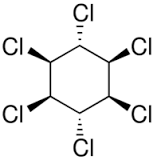
-BHC (Lindane)
Minimum Order Quantity : 1 Kilograms
Molecular Weight : 290.83 g/mol
Purity : Typically 99% isomer
Molecular Formula : C6H6Cl6
Appearance : White to offwhite crystalline powder
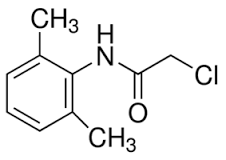
2-(diethylazinoyl)-n-(2 6-dimethylphenyl)acetamide (Lidocaine RCB) pharmaceutical secondary standard
Molecular Weight : 234.34 g/mol
Purity : 99%
Molecular Formula : C14H22N2O
Appearance : White to offwhite crystalline powder

BDE No 37 solution
Molecular Weight : 485.79 g/mol GSM (gm/2)
Purity : 98%
Molecular Formula : C12H6Br4O
Appearance : Colorless to pale yellow liquid
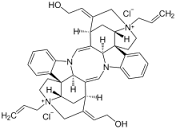
Alcuronium chloride
Price 100 INR
Minimum Order Quantity : 1 Kilograms
Molecular Weight : 737.8
Purity : 98%
Molecular Formula : C44H50Cl2N4O2
Appearance : white to yellowwhite, crystalline powder

 Send Inquiry
Our Products


Kesarkunj, Rm No. 9, Vasanji Lalji Road, Kandivali (W), Mumbai - 400067, Maharashtra, India

Mr Nilesh Shah
(Director)
Mobile :08071630254
 Send Inquiry
 Send SMS
Developed and Managed by Infocom Network Private Limited.
