
Call us now :08071630254
 Send Inquiry
 Send Inquiry
Chlorhexidine for system suitability
MOQ : 1 , , Kilograms
Chlorhexidine for system suitability Specification
- Usage
- Chlorhexidine is a prescription medication used to treat gingivitis, redness and swelling of gums, and to control gum bleeding. It is also used to help treat peridontitis, or gum disease.
- Purity
- 98%
- Melting Point
- 134 to 136 °C (273 to 277 °F)
- Molecular Formula
- C22H30Cl2N10
- Molecular Weight
- 505.446 Grams (g)
Chlorhexidine for system suitability Trade Information
- Minimum Order Quantity
- 1 , , Kilograms
- Payment Terms
- Cash in Advance (CID), Cash Advance (CA)
- Supply Ability
- 500 Kilograms Per Month
- Delivery Time
- 3-4 Week
- Sample Available
- Yes
- Sample Policy
- Sample costs shipping and taxes has to be paid by the buyer
- Main Export Market(s)
- Western Europe, Asia, North America, Eastern Europe, Middle East, South America, Central America, Australia, Africa
- Main Domestic Market
- All India
About Chlorhexidine for system suitability
Chlorhexidine is a highly effective prescription medication designed to combat various dental conditions, including gingivitis, characterized by redness, swelling, and bleeding of gums. Its powerful formulation addresses gum disease and peridontitis effectively, controlling inflammation and promoting oral health. With a molecular formula of C22H30Cl2N10 and a molecular weight of 505.446 g, Chlorhexidine ensures scalable usage for dental care. The medication boasts an impressive purity level of 98%, ensuring its effectiveness in treatment. Chlorhexidine is stable at its melting point of 134 to 136C (273 to 277F), making it a reliable option for medical applications. Its chemical composition and high purity make it suitable for system suitability testing and dental healthcare solutions.
FAQs of Chlorhexidine for system suitability:
Q: What is the main use of Chlorhexidine?
A: Chlorhexidine is mainly used to treat gingivitis, control gum bleeding, and address gum disease, including peridontitis.Q: What is the purity level of Chlorhexidine?
A: Chlorhexidine has an exceptional purity level of 98%, ensuring effectiveness in dental treatment.Q: What is the molecular weight of Chlorhexidine?
A: The molecular weight of Chlorhexidine is 505.446 grams (g).Q: What is Chlorhexidines melting point?
A: Chlorhexidines melting point ranges between 134 to 136C (273 to 277F).Q: Is Chlorhexidine suitable for system suitability testing?
A: Yes, Chlorhexidine is suitable for system suitability testing, ensuring reliable performance.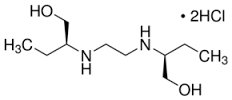
Tell us about your requirement

Price:
Quantity
Select Unit
- 50
- 100
- 200
- 250
- 500
- 1000+
Additional detail
Mobile number
Email

More Products in Analytical Grade Chemicals Category
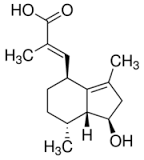
Hydroxyvalerenic acid
Price 100 INR
Minimum Order Quantity : 1 Kilograms
Molecular Formula : C15H22O3
Molecular Weight : 250.33 Grams (g)
Melting Point : 166168°C.
Purity : 99%
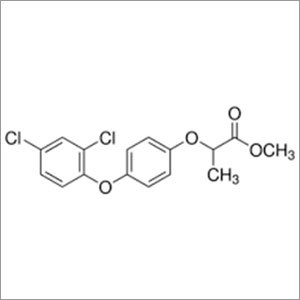
Diclofop-methyl
Price 100 INR
Minimum Order Quantity : 1 Kilograms
Molecular Formula : C16H14Cl2O4
Molecular Weight : 341.2 Grams (g)
Melting Point : 3941 degrees C (1, 3)
Purity : 93%
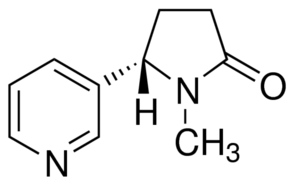
()-Cotinine solution
Price 100 INR
Minimum Order Quantity : 1 Kilograms
Molecular Formula : C10H12N2O
Molecular Weight : 176.21 Grams (g)
Purity : 97%
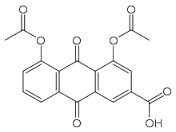
Diacerein
Price 100 INR
Minimum Order Quantity : 1 Kilograms
Molecular Formula : C19H12O8
Molecular Weight : 368.3 Grams (g)
Melting Point : 217218°C.
Purity : 99%

 Send Inquiry
Our Products


Kesarkunj, Rm No. 9, Vasanji Lalji Road, Kandivali (W), Mumbai - 400067, Maharashtra, India

Mr Nilesh Shah
(Director)
Mobile :08071630254
 Send Inquiry
 Send SMS
 Call Me Free
Developed and Managed by Infocom Network Private Limited.
