
Call us now :08071630254
 Send Inquiry
 Send Inquiry
Chlorine in Water - Field PT
MOQ : 1 Kilograms
Chlorine in Water - Field PT Specification
- Melting Point
- -101.5 C
- Molecular Formula
- Cl
- Physical Form
- Gas
- Usage
- Chlorine is commonly used as an antiseptic and is used to make drinking water safe and to treat swimming pools. Large amounts of chlorine are used in many industrial processes, such as in the production of paper products, plastics, dyes, textiles, medicines, antiseptics, insecticides, solvents and paints.
- Molecular Weight
- 35.453 u
Chlorine in Water - Field PT Trade Information
- Minimum Order Quantity
- 1 Kilograms
- Payment Terms
- Cash in Advance (CID), Cash Advance (CA)
- Supply Ability
- 500 Kilograms kg Per Month
- Delivery Time
- 2-8 Week
- Sample Available
- Yes
- Sample Policy
- Sample costs shipping and taxes has to be paid by the buyer
- Packaging Details
- Carton and Poly Bag.
- Main Domestic Market
- All India
About Chlorine in Water - Field PT
Chlorine in Water - Field PT is a versatile gas with a molecular weight of 35.453 u and a melting point of -101.5 C. Its molecular formula is Cl. Chlorine plays a vital role in ensuring water safety, being extensively used as an antiseptic to disinfect drinking water and swimming pools. This critical application helps eliminate harmful pathogens, making water safe for consumption and recreational use. Beyond water treatment, chlorine is a key component in various industrial processes, including the manufacturing of paper products, plastics, dyes, textiles, medicines, antiseptics, insecticides, solvents, and paints. This product is ideal for industries focused on maintaining high standards of hygiene and efficient production, offering reliability and consistent performance as an industrial-grade supply source.
FAQs of Chlorine in Water - Field PT:
Q: What is the primary usage of Chlorine in Water - Field PT?
A: Chlorine is primarily used as an antiseptic to disinfect drinking water and swimming pools, ensuring safety and hygiene.Q: Is Chlorine suitable for industrial processes?
A: Yes, it is widely utilized in industries for manufacturing paper products, plastics, dyes, textiles, medicines, and more.Q: What is the physical form of Chlorine in Water - Field PT?
A: Chlorine is available in gas form.Q: Does Chlorine have a low melting point?
A: Yes, its melting point is -101.5 C.Q: Why is Chlorine important in water treatment?
A: It eliminates harmful pathogens, ensuring water is safe for drinking and swimming purposes.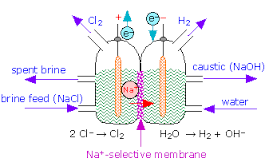
Tell us about your requirement

Price:
Quantity
Select Unit
- 50
- 100
- 200
- 250
- 500
- 1000+
Additional detail
Mobile number
Email

More Products in Analytical Grade Chemicals Category

Polyethylene glycol standard
Price 100 INR
Minimum Order Quantity : 1 Kilograms
Molecular Weight : 44.05n + 18.02 Grams (g)
Purity : 98%
Molecular Formula : C2nH4n+2On+1
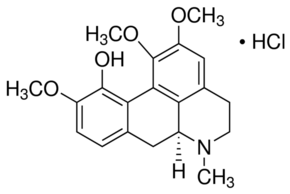
(+)-Isocorydine hydrochloride
Price 100 INR
Minimum Order Quantity : 1 Kilograms
Molecular Weight : 341.4 Grams (g)
Purity : 95%
Molecular Formula : C20H23NO4
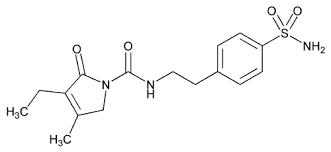
Glimepiride for impurity A identification
Price 100 INR
Minimum Order Quantity : 1 Kilograms
Molecular Weight : 490.6 Grams (g)
Purity : 98%
Molecular Formula : C24H34N4O5S
Melting Point : 207 C
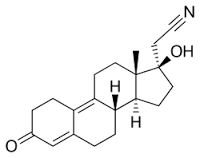
Dienogest
Price 100 INR
Minimum Order Quantity : 1 Kilograms
Molecular Weight : 311.425 Grams (g)
Purity : 98%
Molecular Formula : C20H25NO2
Melting Point : 210 to 218 C (410 to 424 F)

 Send Inquiry
Our Products


Kesarkunj, Rm No. 9, Vasanji Lalji Road, Kandivali (W), Mumbai - 400067, Maharashtra, India

Mr Nilesh Shah
(Director)
Mobile :08071630254
 Send Inquiry
 Send SMS
 Call Me Free
Developed and Managed by Infocom Network Private Limited.
