
Call us now :08071630254
 Send Inquiry
 Send Inquiry
Chrysoidine G
Chrysoidine G Specification
- Purity
- 98%
- Smell
- Odorless
- HS Code
- 3204.17
- Poisonous
- YES
- Ph Level
- Neutral to slightly alkaline
- Appearance
- Orange-red crystalline powder
- Molecular Formula
- C12H12ClN3
- Properties
- Strong coloring ability stable under dry conditions
- Melting Point
- 205210C (decomposes)
- EINECS No
- 208-525-3
- Solubility
- Soluble in water and alcohol
- Application
- Used as a dye for leather paper and textiles; also used in microbiological staining
- Physical Form
- Dry powder
- Molecular Weight
- 233.7 g/mol
- Usage
- Industrial dye and analytical reagent
- Storage
- Store in a cool dry and well-ventilated area away from direct sunlight
- Grade
- Industrial grade
- Ingredients
- Chrysoidine base with associated chloride salts
- Shape
- Crystalline
- CAS No
- 532-82-1
- Shelf Life
- 2 years when stored under recommended conditions
About Chrysoidine G
Chrysoidine G Synonym: 4-Phenylazo-m-phenylenediamine monohydrochloride, Basic Orange 2, Chrysoidine Y CAS Number 532-82-1 Empirical Formula (Hill Notation) C12H12N4 HCl Molecular Weight 248.71 grade analytical standard assay 95.0% (HPLC) form neat shelf life limited shelf life, expiry date on the label application(s) HPLC: suitable gas chromatography (GC): suitable mp 235C (dec.)(lit.) format neat storage temp. 2-8CFAQs of Chrysoidine G:
Q: What are the applications of Chrysoidine G?
A: Chrysoidine G is used as a dye for leather, paper, and textiles and is also utilized in microbiological staining.Q: What is the shelf life of Chrysoidine G?
A: Chrysoidine G has a shelf life of 2 years when stored under recommended conditions.Q: Is Chrysoidine G poisonous?
A: Yes, Chrysoidine G is classified as poisonous and should be handled with care.Q: How should Chrysoidine G be stored?
A: Chrysoidine G should be stored in a cool, dry, and well-ventilated area away from direct sunlight.Q: What is the molecular formula and molecular weight of Chrysoidine G?
A: The molecular formula of Chrysoidine G is C12H12ClN3, and its molecular weight is 233.7 g/mol.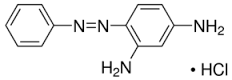
Tell us about your requirement

Price:
Quantity
Select Unit
- 50
- 100
- 200
- 250
- 500
- 1000+
Additional detail
Mobile number
Email

More Products in Analytical Grade Chemicals Category
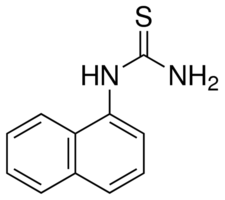
ANTU
Price 100 INR
Minimum Order Quantity : 1 Kilograms
Molecular Formula : C11H10N2S
Molecular Weight : 202.28 Grams (g)
Appearance : White solid, crystallizes in prisms from alcohol Colorless, solid. White. White, crystalline or gray powder.
Melting Point : 197.8 C (388.0 F; 470.9 K)
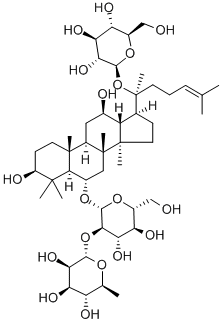
Ginsenoside Re
Price 100 INR
Minimum Order Quantity : 1 Kilograms
Molecular Formula : C54H92O23
Molecular Weight : 947.2 Grams (g)
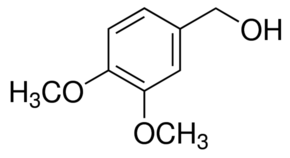
3,4-Dimethoxybenzyl alcohol (Verapamil Related Compound F - USP)
Price 100 INR
Minimum Order Quantity : 1 Kilograms
Molecular Formula : C9H12O3
Molecular Weight : 168.192 Grams (g)
Melting Point : 4650C
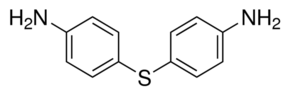
4,4- Diaminodiphenyl sulfide
Price 100 INR
Minimum Order Quantity : 1 Kilograms
Molecular Formula : C12H12N2O
Molecular Weight : 200.24 Grams (g)
Appearance : Colorless crystalline solid
Melting Point : 188 to 192 C (370 to 378 F; 461 to 465 K)

 Send Inquiry
Our Products


Kesarkunj, Rm No. 9, Vasanji Lalji Road, Kandivali (W), Mumbai - 400067, Maharashtra, India

Mr Nilesh Shah
(Director)
Mobile :08071630254
 Send Inquiry
 Send SMS
 Call Me Free
Developed and Managed by Infocom Network Private Limited.
