
Call us now :08071630254
 Send Inquiry
 Send Inquiry
Chrysophanol
Chrysophanol Specification
- Physical Form
- Crystalline powder
- HS Code
- 2933.99
- CAS No
- 481-74-3
- Structural Formula
- Refer to chemical model with anthraquinone backbone
- Ingredients
- Pure chrysophanol compound
- Smell
- Odorless
- Molecular Formula
- C15H10O4
- Application
- Used in pharmaceutical cosmetic and dye industries for its antimicrobial and anti-inflammatory properties
- Shape
- Powder
- Appearance
- Orange-yellow crystalline powder
- Purity
- 98%
- Solubility
- Soluble in organic solvents such as ethanol and acetone; poorly soluble in water
- Shelf Life
- 2 years under proper storage conditions
- Ph Level
- Neutral-to-slightly acidic
- Molecular Weight
- 254.24 g/mol
- Melting Point
- 196-198C
- Taste
- Bitter
- Properties
- Possesses antimicrobial antioxidant and anti-inflammatory properties
- Usage
- Primarily used as an herbal extract and active ingredient in skincare and medical formulations
- Storage
- Store in a cool dry and well-ventilated place away from sunlight and incompatible substances
- EINECS No
- 207-571-7
- Density
- 1.43 Gram per cubic centimeter(g/cm3)
- Poisonous
- NO
- Grade
- Pharmaceutical and Industrial Grade
About Chrysophanol
Chrysophanol Synonym: 1,8-Dihydroxy-3-methylanthraquinone, Chrysophanic acid CAS Number 481-74-3 Empirical Formula (Hill Notation) C15H10O4 Molecular Weight 254.24 grade analytical standard assay 98.0% (HPLC) shelf life limited shelf life, expiry date on the label mp 192-196C suitability conforms to structure for Proton NMR spectrum storage temp. 2-8CFAQs of Chrysophanol:
Q: What are the primary applications of Chrysophanol?
A: Chrysophanol is primarily used in pharmaceutical, cosmetic, and dye industries for its antimicrobial, anti-inflammatory, and antioxidant properties.Q: What is the purity level of Chrysophanol?
A: The purity of Chrysophanol is 98%.Q: How should Chrysophanol be stored?
A: Chrysophanol should be stored in a cool, dry, and well-ventilated place away from sunlight and incompatible substances.Q: What is the physical form and appearance of Chrysophanol?
A: Chrysophanol is an orange-yellow crystalline powder.Q: Is Chrysophanol soluble in water or organic solvents?
A: Chrysophanol is poorly soluble in water but soluble in organic solvents such as ethanol and acetone.Q: What is the shelf life of Chrysophanol?
A: Chrysophanol has a shelf life of 2 years under proper storage conditions.Q: Is Chrysophanol poisonous?
A: No, Chrysophanol is not poisonous.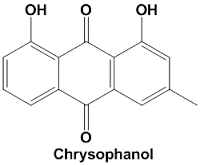
Tell us about your requirement

Price:
Quantity
Select Unit
- 50
- 100
- 200
- 250
- 500
- 1000+
Additional detail
Mobile number
Email

More Products in Analytical Grade Chemicals Category
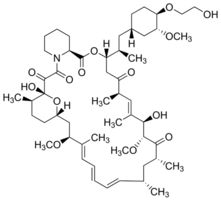
Everolimus
Price 100 INR
Minimum Order Quantity : 1 ,
Molecular Formula : C53H83NO14
Molecular Weight : 958.2 Grams (g)
Usage : AFINITOR is indicated for the treatment of patients with SEGA associated with tuberous sclerosis (TS) who require therapeutic intervention but are not candidates for curative surgical resection.
Melting Point : 97101C
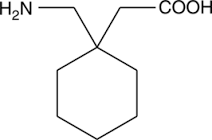
Gabapentin
Price 100 INR
Minimum Order Quantity : 1 Kilograms
Molecular Formula : C9H17NO2
Molecular Weight : 171.24 Grams (g)
Usage : Gabapentin is indicated for: Management of postherpetic neuralgia in adults. Adjunctive therapy in the treatment of partial onset seizures, with and without secondary generalization, in adults and pediatric patients 3 years and older with epilepsy.
Melting Point : 161163C
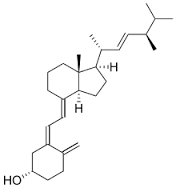
Ergocalciferol (D2)
Price 100 INR
Minimum Order Quantity : 1 Kilograms
Molecular Formula : C28H44O
Molecular Weight : 396.65 Grams (g)
Usage : Ergocalciferol Capsules, USP are indicated for use in the treatment of hypoparathyroidism, refractory rickets, also known as vitamin D resistant rickets, and familial hypophosphatemia.
Melting Point : 114 C

Primaquine phosphate
Price 100 INR
Minimum Order Quantity : 1 Kilograms
Molecular Formula : C15H27N3O9P2
Molecular Weight : 259.35 Grams (g)
Usage : BRAND NAME(S): Primaquine. USES: Primaquine is used with other medications to prevent and treat malaria caused by mosquito bites in countries where malaria is common. Malaria parasites can enter the body through these mosquito bites, and then live in body tissues such as red blood cells or the liver.
Melting Point : 197198C

 Send Inquiry
Our Products


Kesarkunj, Rm No. 9, Vasanji Lalji Road, Kandivali (W), Mumbai - 400067, Maharashtra, India

Mr Nilesh Shah
(Director)
Mobile :08071630254
 Send Inquiry
 Send SMS
Developed and Managed by Infocom Network Private Limited.
