
Call us now :08071630254
 Send Inquiry
 Send Inquiry
Coal (F)
Coal (F) Specification
- Taste
- Tasteless
- Ph Level
- Neutral to slightly acidic (6-7) depending on composition
- EINECS No
- Not individually listed; varies by specific coal type and grade
- Physical Form
- Solid
- HS Code
- 2701.12 (Bituminous coal) or 2702.00 (Lignite and other lower-grade coals)
- Ingredients
- Primarily carbon hydrogen oxygen sulfur nitrogen and trace impurities
- Properties
- Amorphous solid combustible variable hardness and density impure carbon with trace elements and minerals
- Grade
- Industrial-grade fuel-grade or metallurgical-grade options
- Molecular Weight
- Varies depending on grade; primarily around 12 g/mol for pure carbon
- Structural Formula
- C (amorphous carbon with varying impurities)
- Purity
- Varies widely; ranges from 50-98% carbon depending on type
- Molecular Formula
- C
- Refractive Rate
- Not applicable in solid form
- Appearance
- Black or dark brown often shiny or matte
- Smell
- Odorless or faint smoky aroma
- Application
- Fuel source electricity generation steel production chemical feedstock
- Density
- 1.5 Gram per cubic centimeter(g/cm3)
- Shelf Life
- Indefinite when stored properly
- Melting Point
- Does not have a fixed melting point; decomposes at high temperature
- Shape
- Irregular lumps or crushed to granular or powdered form
- Storage
- Store in a cool dry and well-ventilated area away from ignition sources
- Poisonous
- NO
- CAS No
- Not specific general CAS: 129521-66-7 (specific forms of coal may differ)
- Usage
- Used in power plants steel manufacturing and as a raw material in the production of chemicals
- Solubility
- Insoluble in water and most organic solvents
About Coal (F)
Coal (F) is a versatile solid fuel source primarily composed of carbon, hydrogen, oxygen, nitrogen, and sulfur along with trace impurities. It appears in irregular lumps, granular, or powdered form, ranging from shiny black to matte dark brown. Known for its ability to combust at high temperatures, Coal (F) serves critical industries such as electricity generation, steel production, and chemical manufacturing. With a density of 1.5 g/cm, its purity often ranges from 50-98% carbon, depending on grade. It releases faint smoky aromas but remains tasteless and non-poisonous, making it safe for industrial applications. Coal (F) must be stored in a cool, dry, well-ventilated area away from ignition sources to ensure indefinite shelf life. Insoluble in water and organic solvents, it maintains neutral to slightly acidic pH levels. Its industrial/metallurgical-grade classification supports applications such as power plants and steel manufacturing processes.
FAQs of Coal (F):
Q: What is the primary composition of Coal (F)?
A: Coal (F) primarily consists of carbon, hydrogen, oxygen, nitrogen, sulfur, and trace impurities.Q: What are the typical applications of Coal (F)?
A: Coal (F) is used for electricity generation, steel production, and as a chemical feedstock.Q: Is Coal (F) poisonous?
A: No, Coal (F) is non-poisonous.Q: Can Coal (F) dissolve in water?
A: No, Coal (F) is insoluble in water and most organic solvents.Q: How should Coal (F) be stored?
A: Store Coal (F) in a cool, dry, and ventilated area away from ignition sources.
Tell us about your requirement

Price:
Quantity
Select Unit
- 50
- 100
- 200
- 250
- 500
- 1000+
Additional detail
Mobile number
Email

More Products in Analytical Grade Chemicals Category
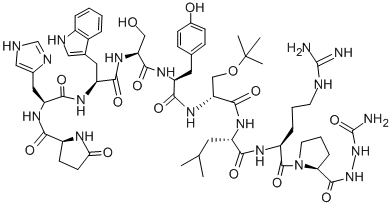
Goserelin for NMR identification
Price 100 INR
Minimum Order Quantity : 1 Kilograms
Melting Point : >170°C (dec.)
Molecular Weight : 1269.410 Grams (g)
Molecular Formula : C59H84N18O14
Purity : 98%
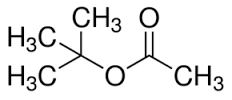
tert-Butyl acetate
Price 100 INR
Minimum Order Quantity : 1 Kiloampere
Melting Point : 62.00 °C. @ 760.00 mm
Molecular Weight : 116.16 Grams (g)
Molecular Formula : C6H12O2
Purity : 99%
Dehydrated Alcohol
Price 100 INR
Minimum Order Quantity : 1 Kilograms
Melting Point : 114.1 °C
Molecular Weight : 46.07 Grams (g)
Molecular Formula : C2H5OH
Purity : 99%
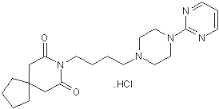
Buspirone hydrochloride
Price 100 INR
Minimum Order Quantity : 1 Kilograms
Melting Point : 1941980C
Molecular Weight : 422 Grams (g)
Purity : 99%

 Send Inquiry
Our Products


Kesarkunj, Rm No. 9, Vasanji Lalji Road, Kandivali (W), Mumbai - 400067, Maharashtra, India

Mr Nilesh Shah
(Director)
Mobile :08071630254
 Send Inquiry
 Send SMS
 Call Me Free
Developed and Managed by Infocom Network Private Limited.
