
Call us now :08071630254
 Send Inquiry
 Send Inquiry
Coastal sea water (Hg)
Coastal sea water (Hg) Specification
- Molecular Formula
- H2O + trace minerals and Hg
- CAS No
- 7732-18-5 (for water) and 7439-97-6 (for Hg)
- Poisonous
- YES
- Melting Point
- -2C to 0C (dependent on salinity)
- Taste
- Salty
- Usage
- Raw material for salt production chemical extraction aquatic applications
- Density
- 1.02 Gram per cubic centimeter(g/cm3)
- Physical Form
- Liquid
- Smell
- Briny
- Ph Level
- 7.5 to 8.4
- HS Code
- 2501.00.90
- Shape
- Amorphous liquid
- EINECS No
- 231-791-2 (for water) and 231-106-7 (for Hg)
- Solubility
- Miscible in water
- Molecular Weight
- Variable due to dissolved components
- Purity
- Variable due to natural impurities
- Grade
- Industrial/Environmental
- Structural Formula
- H2O with variable ionic contaminants including Hg
- Appearance
- Clear to light blue
- Application
- Industrial cooling desalination marine ecosystem support
- Properties
- Conductive saline naturally occurring impurities including Hg
- Ingredients
- Water (H2O) dissolved salts trace minerals mercury (Hg)
- Shelf Life
- Indefinite under natural conditions
- Refractive Rate
- 1.339 to 1.341
- Storage
- Keep in corrosion-resistant containers prevent mercury contamination release
About Coastal sea water (Hg)
Coastal Sea Water (Hg) is an industrial-grade liquid known for its briny smell, salty taste, and variable molecular composition due to dissolved salts, trace minerals, and mercury (Hg). Its appearance ranges from clear to light blue, offering natural conductivity and salinity while containing naturally occurring impurities, including mercury. With a storage requirement that prevents mercury contamination through corrosion-resistant containers, this liquid supports aquatic ecosystems and industrial cooling processes. It is also utilized in desalination, raw material production for salt, chemical extraction, and other marine applications. Coastal Sea Water has a melting point of -2C to 0C (depending on salinity), a density of 1.02 g/cm, and a pH level between 7.5 and 8.4. It is miscible in water, maintaining an indefinite shelf life under natural conditions. The liquids refractive index ranges from 1.339 to 1.341.
FAQs of Coastal sea water (Hg):
Q: Can Coastal Sea Water (Hg) be consumed?
A: No, the product is poisonous due to mercury contamination and unsuitable for consumption.Q: How should Coastal Sea Water (Hg) be stored?
A: It must be stored in corrosion-resistant containers to prevent mercury contamination.Q: What industrial applications does this product support?
A: It is used in desalination, industrial cooling, chemical extraction, and marine ecosystem support.Q: Does Coastal Sea Water (Hg) have a fixed molecular weight?
A: No, its molecular weight varies due to dissolved ionic components and mercury.Q: Is the product appearance consistent?
A: Its appearance varies between clear and light blue.
Tell us about your requirement

Price:
Quantity
Select Unit
- 50
- 100
- 200
- 250
- 500
- 1000+
Additional detail
Mobile number
Email

More Products in Analytical Grade Chemicals Category
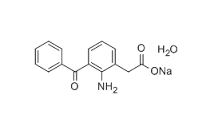
Fenazox
Price 100 INR
Minimum Order Quantity : 1 Kilograms
Molecular Formula : C12H10N2O
Molecular Weight : 198.225 Grams (g)
Melting Point : 35.5–36.5 °C (95.9–97.7 °F; 308
Appearance : Yellow solid
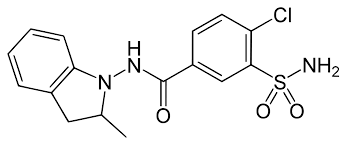
Indapamide
Price 100 INR
Minimum Order Quantity : 1 Kiloampere
Molecular Formula : C32H34Cl2N6O7S2
Molecular Weight : 749.7 Grams (g)
Melting Point : (°C), 160162,
Appearance : white to yellowwhite crystalline
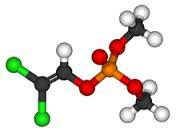
Dichlorvos
Price 100 INR
Minimum Order Quantity : 1 Kilograms
Molecular Formula : C4H7Cl2O4P
Molecular Weight : 220.98 Grams (g)
Melting Point : 26
Appearance : Colourless to yellowy liquid.
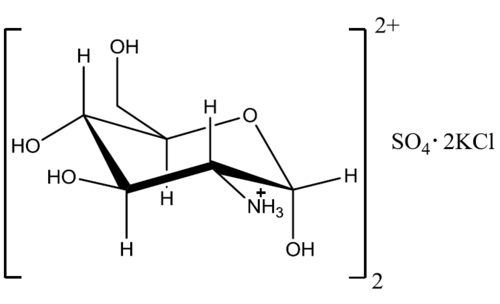
Glucosamine sulfate potassium chloride
Price 100 INR
Minimum Order Quantity : 1 Kilograms
Molecular Formula : C12H28Cl2K2N2O14S
Molecular Weight : 605.5 Grams (g)
Melting Point : 192° C

 Send Inquiry
Our Products


Kesarkunj, Rm No. 9, Vasanji Lalji Road, Kandivali (W), Mumbai - 400067, Maharashtra, India

Mr Nilesh Shah
(Director)
Mobile :08071630254
 Send Inquiry
 Send SMS
 Call Me Free
Developed and Managed by Infocom Network Private Limited.
