
Call us now :08071630254
 Send Inquiry
 Send Inquiry
Color Reference Solutions acc. to Ph Eur
Color Reference Solutions acc. to Ph Eur Specification
- Ingredients
- Various chemical compounds depending on the required color standard
- Grade
- Analytical grade
- Poisonous
- NO
- EINECS No
- N/A (depends on specific components)
- HS Code
- 38220090
- Density
- Gram per cubic centimeter(g/cm3)
- Molecular Formula
- Varies based on solution composition
- Solubility
- Completely soluble in water
- Shelf Life
- Typically 1-2 years under recommended storage conditions
- Storage
- Store in a cool dry place away from direct sunlight
- Molecular Weight
- Varies based on solution composition
- CAS No
- N/A (depends on specific components)
- Physical Form
- Liquid
- Ph Level
- Typically neutral (around 7.0); varies based on solution
- Smell
- Odorless
- Appearance
- Colored liquid solution
- Usage
- For analytical reference purposes
- Properties
- Stable under normal laboratory conditions; used for qualitative analysis
- Application
- Used as color reference standards for compliance with Ph Eur specifications in laboratories
About Color Reference Solutions acc. to Ph Eur
Color Reference Solutions acc. to Ph Eurgrade analytical standard shelf life limited shelf life, expiry date on the label packaging ampule of 10mL format multi-component solutionFAQs of Color Reference Solutions acc. to Ph Eur:
Q: What is the primary application of Color Reference Solutions according to Ph Eur?
A: Color Reference Solutions are used as color reference standards for compliance with Ph Eur specifications in laboratories.Q: What is the recommended storage condition for Color Reference Solutions?
A: The product should be stored in a cool, dry place away from direct sunlight.Q: What is the physical form and appearance of Color Reference Solutions?
A: Color Reference Solutions are liquid solutions with a colored appearance.Q: Are Color Reference Solutions poisonous or odorless?
A: Color Reference Solutions are odorless and not poisonous.Q: What is the typical shelf life of Color Reference Solutions under recommended storage conditions?
A: The shelf life is typically 1-2 years under recommended storage conditions.
Tell us about your requirement

Price:
Quantity
Select Unit
- 50
- 100
- 200
- 250
- 500
- 1000+
Additional detail
Mobile number
Email

More Products in Analytical Grade Chemicals Category
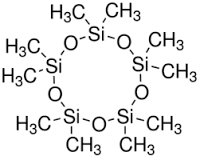
D5 Cyclomethicone
Price 100 INR
Minimum Order Quantity : 1 Kilograms
Molecular Weight : 370.770 Grams (g)
Molecular Formula : C10H30O5Si5
Melting Point : 53 F; 226 K
Purity : 98%

Triflusulfuron-methyl
Price 100 INR
Minimum Order Quantity : 1 Kilograms
Molecular Weight : 492.4
Molecular Formula : C17H19F3N6O6S
Melting Point : 160163°
Purity : 95.6%
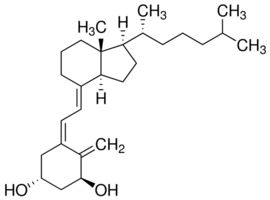
Alfacalcidol
Price 100 INR
Minimum Order Quantity : 1 Kilograms
Molecular Weight : 400.64 Grams (g)
Molecular Formula : C27H44O2
Purity : 97%
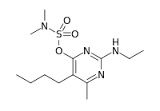
Bupirimate (C13H24N4O3S)
Price 100 INR
Minimum Order Quantity : 1 Kilograms
Molecular Weight : 316.42 Grams (g)
Molecular Formula : C13H24N4O3S
Melting Point : >36C (dec.)

 Send Inquiry
Our Products


Kesarkunj, Rm No. 9, Vasanji Lalji Road, Kandivali (W), Mumbai - 400067, Maharashtra, India

Mr Nilesh Shah
(Director)
Mobile :08071630254
 Send Inquiry
 Send SMS
Developed and Managed by Infocom Network Private Limited.
