
Call us now :08071630254
 Send Inquiry
 Send Inquiry
Copper natural (certified for isotope abundance ratio)
Copper natural (certified for isotope abundance ratio) Specification
- Density
- 8.96 Gram per cubic centimeter(g/cm3)
- Melting Point
- 1084.62 °C
- Grade
- Certified reference material (CRM)
- Shelf Life
- Indefinite under proper storage conditions
- Purity
- 99.9% or higher
- Structural Formula
- Elemental Copper; single atomic configuration
- Properties
- High conductivity malleable ductile natural isotope abundance ratios certified
- Molecular Weight
- 63.546 g/mol
- Usage
- Primarily for scientific analysis and industrial applications requiring certified isotope abundance ratios
- Molecular Formula
- Cu
- Smell
- Odorless
- CAS No
- 7440-50-8
- Physical Form
- Solid metallic form
- Storage
- HS Code
- 7403.22.00
- Application
- Used in isotope analysis material science and calibration standards
- Solubility
- Insoluble in water
- Ph Level
- Neutral (does not affect pH)
- Poisonous
- NO
- EINECS No
- 231-159-6
- Appearance
- Metallic luster reddish-brown color
- Shape
- Ingredients
- Pure natural copper isotopes in certified abundance ratios
About Copper natural (certified for isotope abundance ratio)
Copper Natural (certified for isotope abundance ratio) is a premium-grade certified reference material ideal for scientific and industrial applications. Supplied in wire rods or other solid shapes, this copper features high purity (99.9% or higher), ensuring consistent and reliable results for isotope analysis, material science, and calibration standards. With an elemental structure of single atomic configuration (Cu), it is characterized by its reddish-brown metallic luster, neutral pH impact, and high conductivity, making it malleable and ductile. This product is insoluble in water, odorless, and non-poisonous, offering safety and stability during handling. It boasts a density of 8.96 g/cm and a melting point of 1084.62C. Certified natural isotope abundance ratios make this material a trusted choice for scientific precision. Proper storage in dry, cool conditions away from acids and other reactive substances ensures an indefinite shelf life. EINECS No: 231-159-6 and CAS No: 7440-50-8 confirm its compliance and traceability.
FAQs of Copper natural (certified for isotope abundance ratio):
Tell us about your requirement

Price:
Quantity
Select Unit
- 50
- 100
- 200
- 250
- 500
- 1000+
Additional detail
Mobile number
Email

More Products in Analytical Grade Chemicals Category
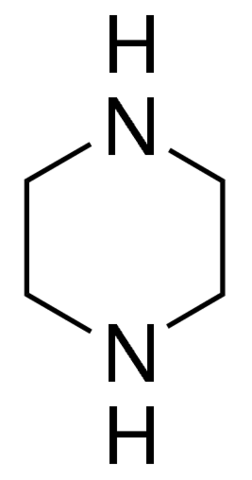
Piperazine
Price 100 INR
Minimum Order Quantity : 1 Kilograms
Molecular Formula : C4H10N2
Molecular Weight : 86.136 Grams (g)
Melting Point : 106 °C (223 °F; 379 K)
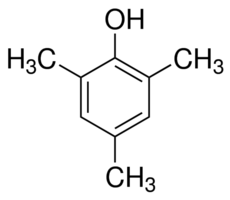
2,4,6- Trimethylphenol
Price 100 INR
Minimum Order Quantity : 1 Kilograms
Molecular Formula : C9H12O
Molecular Weight : 136.194 Grams (g)
Melting Point : 72.00 C.
Purity : 98%

Trifluralin solution
Price 100 INR
Minimum Order Quantity : 1 Kilograms
Molecular Formula : C13H16F3N3O4
Molecular Weight : 335.28 Grams (g)
Melting Point : 46 to 47 °C (115 to 117 °F; 319 to ...
Esbiol Insecticide
Price 100 INR / Kilograms
Minimum Order Quantity : 1 Kilograms
Molecular Formula : C19H26O3
Molecular Weight : 302.4 Grams (g)
Purity : 98%

 Send Inquiry
Our Products


Kesarkunj, Rm No. 9, Vasanji Lalji Road, Kandivali (W), Mumbai - 400067, Maharashtra, India

Mr Nilesh Shah
(Director)
Mobile :08071630254
 Send Inquiry
 Send SMS
 Call Me Free
Developed and Managed by Infocom Network Private Limited.
