
Call us now :08071630254
 Send Inquiry
 Send Inquiry
D-(+)-Gluconic acid I'-lactone
Price 100 INR/ Piece
MOQ : 1 Piece
D-(+)-Gluconic acid I'-lactone Specification
- Boiling point
- Decomposes
- Shelf Life
- 24 months
- Size
- 25 kg, 1 kg packs
- Physical State
- Solid
- Ph Level
- 3.5 4.0 (1% solution)
- Purity
- 99% min
- Molecular Formula
- C6H10O6
- Packaging Type
- HDPE drum, polyethylene bag, carton
- Density
- 1.54 Gram per cubic centimeter(g/cm3)
- Storage Instructions
- Store in a cool, dry place
- Usage
- Leavening agent, sequestrant, pH regulator
- Molecular Weight
- 178.14 g/mol
- Melting Point
- 153156C
- CAS No
- 90-80-2
- Grade
- Food Grade
- Type
- D-(+)-Gluconic acid I-lactone
- Application
- Food additive, pharmaceutical, chemical reagent
- Appearance
- White crystalline powder
- Purity(%)
- 99.0
- Odor
- Odorless
- Packaging Size Options
- 1 kg, 25 kg, 500 g
- Lead Content
- 1 ppm
- Assay
- 99.0% (HPLC)
- Arsenic Content
- 2 ppm
- Heavy Metals
- 10 ppm
- Microbial Limit
- Standard conforms to food-grade specifications
- Moisture Content
- 0.5%
- HS Code
- 29181610
- Taste
- Slightly sweet
- Solubility
- Easily soluble in water
D-(+)-Gluconic acid I'-lactone Trade Information
- Minimum Order Quantity
- 1 Piece
- Payment Terms
- Cash in Advance (CID), Cash Advance (CA)
- Supply Ability
- 3 Pieces Per Week
- Delivery Time
- 3-4 Week
- Main Export Market(s)
- Australia, North America, South America, Eastern Europe, Middle East, Western Europe, Africa, Asia, Central America
- Main Domestic Market
- All India
- Certifications
- ISO 9001:2015 CERTIFICATE
About D-(+)-Gluconic acid I'-lactone
D-(+)-Gluconic acid -lactone
99.0%
Synonym: -Gluconolactone, 1,2,3,4,5--
CAS Number90-80-2
-
Empirical Formula (Hill Notation) C6H10O6
Description
General description
D-(+)-Gluconic acid -lactone (GDL) is soluble in water and hydrolyzes into gluconic acid spontaneously and homogeneously lowers the pH.Quinoprotein glucose dehydrogenase converts D-glucose to GDL which gradually lowers the pH and transcriptionally controls the prodigiosin production.GDL is commonly used in the food industry to cause gelation of sodium caseinate by acidification.GDL helps to overcome the difficulties and variations of using starter bacterial cultures.
Application
D-(+)-Gluconic acid -lactone has been used in the preparation of cold set gels,and hydrogels.
| iological source | microbial |
| assay | 99.0% |
| form | powder |
| application(s) | gas chromatography (GC): suitable |
| mp | 160 C (dec.) (lit.) |
Versatile Food-Grade Additive
D-(+)-Gluconic acid I-lactone serves multiple roles in the food industry: as a leavening agent, sequestrant, and pH regulator. It is highly sought after for its purity (99%), safety profile, and neutral sensory characteristics, such as its odorless nature and slight sweetness. Its utility extends to pharmaceuticals and as a reagent in chemical laboratories.
Strict Quality Standards for Safety
This product is tested rigorously for contaminants: lead 1 ppm, arsenic 2 ppm, heavy metals 10 ppm, and microbial parameters all comply with food-grade restrictions. Ensuring consumer safety is paramount, reflected in its reliable assay (99%) and purity. It is produced and packaged under conditions that preserve its integrity and extend its shelf life.
FAQ's of D-(+)-Gluconic acid I'-lactone:
Q: How should D-(+)-Gluconic acid I-lactone be stored to maintain its stability?
A: D-(+)-Gluconic acid I-lactone should be stored in a cool, dry place, ideally in its original HDPE drum, polyethylene bag, or carton packaging. Proper storage protects it from moisture and contamination, preserving its 24-month shelf life.Q: What are the primary applications of this product?
A: The compound is mainly used as a food additive for leavening, sequestration, and pH regulation. It also finds application in pharmaceuticals and as a chemical reagent due to its high purity and reliability.Q: When is D-(+)-Gluconic acid I-lactone typically added during food processing?
A: It is commonly incorporated during the mixing or formulation stage, depending on its intended function, such as leavening or controlling acidity in final food products.Q: Where does this product conform to food-grade safety specifications?
A: This ingredient conforms to food-grade microbial and heavy metal standards, meeting limits for lead (1 ppm), arsenic (2 ppm), heavy metals (10 ppm), and microbial contaminants as established by regulatory agencies.Q: How can users benefit from including D-(+)-Gluconic acid I-lactone in their product formulations?
A: Users gain from its efficient performance as a mild acid, neutral flavor, and compliance with strict safety standards, making it ideal for enhancing texture, stability, and shelf life in food and pharmaceutical products.Q: What packaging sizes are available for D-(+)-Gluconic acid I-lactone?
A: This product is available in 1 kg, 500 g, and 25 kg pack sizes, offered in safe, moisture-resistant packaging options such as HDPE drums and polyethylene bags.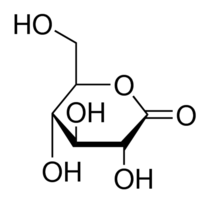
Tell us about your requirement

Price:
Quantity
Select Unit
- 50
- 100
- 200
- 250
- 500
- 1000+
Additional detail
Mobile number
Email

More Products in Laboratory Chemicals Category
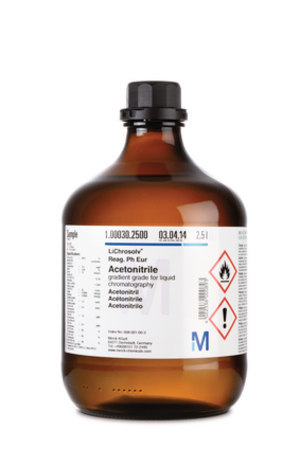
Dichloromethane For Liquid Chromatography
Price 100 INR / Piece
Minimum Order Quantity : 1 Piece
Purity(%) : 99.9 %
CAS No : 75092
Physical State : liquid
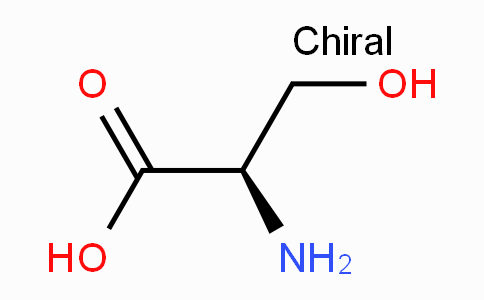
D-Serine Powder
Price 100 INR / Kilograms
Minimum Order Quantity : 1 Kilograms
Purity(%) : 97%
CAS No : 312845
Appearance : White or offwhite crystalline powder
Physical State : Solid
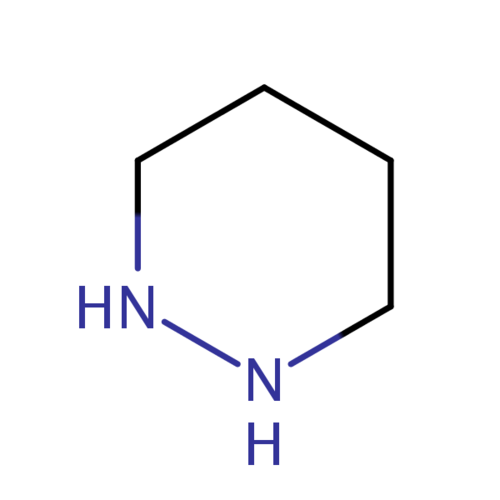
Hexahydropyridazine High-Purity
Price 100 INR / Kilograms
Minimum Order Quantity : 1 Kilograms
Purity(%) : 98%
CAS No : 505191
Appearance : Offwhite to light yellow powder
Physical State : liquid
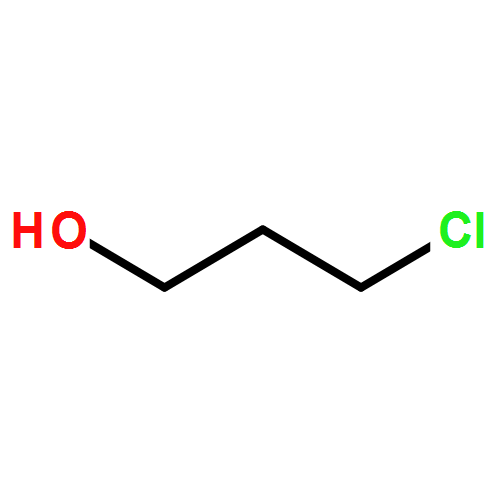
3-Chloro-1-Propanol liquid
Price 100 INR / Kilograms
Minimum Order Quantity : 1 Kilograms
Purity(%) : 96%
CAS No : 627305
Appearance : Colorless clear liquid
Physical State : liquid

 Send Inquiry
Our Products


Kesarkunj, Rm No. 9, Vasanji Lalji Road, Kandivali (W), Mumbai - 400067, Maharashtra, India

Mr Nilesh Shah
(Director)
Mobile :08071630254
 Send Inquiry
 Send SMS
Developed and Managed by Infocom Network Private Limited.
