
Call us now :08071630254
 Send Inquiry
 Send Inquiry
Deoxynivalenol solution
Deoxynivalenol solution Specification
- HS Code
- 2932.99
- Molecular Formula
- C15H20O6
- Usage
- Used in laboratory testing related to food safety and toxicology studies
- Appearance
- Clear liquid
- Application
- Mycotoxin research contamination testing in food and feed
- Properties
- Mycotoxin with toxic effects on animals and humans stable under normal conditions
- Purity
- 98%
- Solubility
- Soluble in water ethanol and organic solvents
- Molecular Weight
- 296.32 g/mol Grams (g)
- Melting Point
- 151-153C
- Ingredients
- Deoxynivalenol dissolved in a suitable solvent such as ethanol or water
- CAS No
- 51481-10-8
- Shelf Life
- 1 year under recommended storage conditions Years
- Shape
- other
- Ph Level
- Neutral (varies with solvent)
- Refractive Rate
- Not Applicable
- Storage
- Store in a cool dry place away from light and heat
- Poisonous
- YES
- Structural Formula
- Provided in chemical databases or technical datasheets
- EINECS No
- 611-364-3
- Taste
- Bitter
- Smell
- Other
- Physical Form
- Liquid
- Grade
- Analytical grade
- Density
- 1.25 Gram per cubic centimeter(g/cm3)
About Deoxynivalenol solution
Deoxynivalenol solutionSynonym: 3,7,15-Trihydroxy-12,13-epoxytrichothec-9-en-8-one, DON, Vomitoxin CAS Number 51481-10-8 Empirical Formula (Hill Notation) C15H20O6 Molecular Weight 296.32 grade analytical standard concentration 100g/mL in acetonitrile application(s) HPLC: suitable gas chromatography (GC): suitable format single component solution storage temp. 20CFAQs of Deoxynivalenol solution:
Q: What is the primary application of Deoxynivalenol solution?
A: Deoxynivalenol solution is primarily used for mycotoxin research and contamination testing in food and feed, as well as laboratory testing related to food safety and toxicology studies.Q: What are the storage requirements for this product?
A: Deoxynivalenol solution should be stored in a cool, dry place away from light and heat to ensure stability and maintain its shelf life of 1 year under the recommended storage conditions.Q: Is Deoxynivalenol solution soluble in solvents?
A: Yes, Deoxynivalenol solution is soluble in water, ethanol, and organic solvents.Q: What is the purity level of this product?
A: The purity level of Deoxynivalenol solution is 98%.Q: What are the toxicity properties of Deoxynivalenol solution?
A: Deoxynivalenol is a mycotoxin with toxic effects on animals and humans. It is stable under normal conditions and should be handled with care due to its poisonous nature.Q: What is the CAS number and molecular formula of this product?
A: The CAS number of Deoxynivalenol solution is 51481-10-8, and its molecular formula is C15H20O6.Q: What is the density of Deoxynivalenol solution?
A: The density of Deoxynivalenol solution is 1.25 g/cm.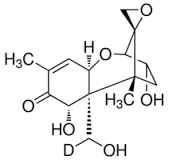
Tell us about your requirement

Price:
Quantity
Select Unit
- 50
- 100
- 200
- 250
- 500
- 1000+
Additional detail
Mobile number
Email

More Products in Analytical Grade Chemicals Category
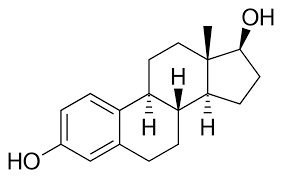
Human serum (17-estradiol, low level)
Molecular Formula : C18H24O2
Molecular Weight : 272.38 g/mol
Appearance : Transparent to slightly cloudy liquid
Melting Point : 173C
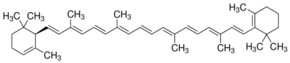
-Carotene
Price 100 INR
Minimum Order Quantity : 1 Kilograms
Molecular Formula : C40H56
Molecular Weight : 536.8726 Grams (g)
Appearance : Dark orange crystals
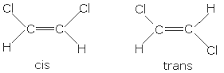
cis-1,2-Dichloroethene
Price 100 INR
Minimum Order Quantity : 1 Kilograms
Molecular Formula : C2H2Cl2
Molecular Weight : 96.9433 Grams (g)
Appearance : Clear colorless liquid
Melting Point : Z: 81.47 C E: 49.44 C
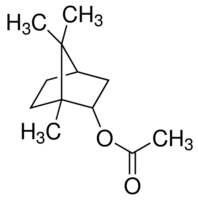
(+)-Bornyl acetate
Price 100 INR
Minimum Order Quantity : 1 Kilograms
Molecular Formula : C12H20O2
Molecular Weight : 196.29
Appearance : Colorless liquid or crystals
Melting Point : 29 C

 Send Inquiry
Our Products


Kesarkunj, Rm No. 9, Vasanji Lalji Road, Kandivali (W), Mumbai - 400067, Maharashtra, India

Mr Nilesh Shah
(Director)
Mobile :08071630254
 Send Inquiry
 Send SMS
Developed and Managed by Infocom Network Private Limited.
