
Call us now :07971189995
 Send Inquiry

 Send Inquiry
Dibromomethane solution
MOQ : 1 Kilograms
Dibromomethane solution Specification
- Appearance
- Colorless liquid
- Molecular Formula
- CH2Br2
- Usage
- Dibromomethane is used as a solvent, gauge fluid, and in organic synthesis. It is a convenient agent for converting catechols to their methylenedioxy derivatives
- Melting Point
- -52.7 C
- Molecular Weight
- 173.83 Grams (g)
Dibromomethane solution Trade Information
- Minimum Order Quantity
- 1 Kilograms
- Payment Terms
- Cash in Advance (CID), Cash Advance (CA)
- Supply Ability
- 500 Kilograms Per Month
- Delivery Time
- 3-4 Week
- Sample Available
- Yes
- Sample Policy
- Sample costs shipping and taxes has to be paid by the buyer
- Main Export Market(s)
- Western Europe, Australia, Middle East, Central America, South America, Asia, Eastern Europe, North America, Africa
- Main Domestic Market
- All India
About Dibromomethane solution
Dibromomethane solutionCAS Number 74-95-3 grade analytical standard CofA certificate of analysis is enclosed in each package. packaging ampule of 1mL concentration 2000g/mL in methanol application(s) HPLC: suitable gas chromatography (GC): suitable format single component solution storage temp. 2-8CFAQs of Dibromomethane solution:
Q: What is the molecular formula of Dibromomethane solution?
A: The molecular formula of Dibromomethane solution is CH2Br2.Q: What is the molecular weight of Dibromomethane solution?
A: The molecular weight of Dibromomethane solution is 173.83 grams (g).Q: What is the melting point of Dibromomethane solution?
A: The melting point of Dibromomethane solution is -52.7 C.Q: What does Dibromomethane solution look like?
A: Dibromomethane solution appears as a colorless liquid.Q: What are the primary uses of Dibromomethane solution?
A: Dibromomethane is used as a solvent, gauge fluid, and in organic synthesis. It is also a convenient agent for converting catechols to their methylenedioxy derivatives.
Tell us about your requirement

Price:
Quantity
Select Unit
- 50
- 100
- 200
- 250
- 500
- 1000+
Additional detail
Mobile number
Email

More Products in Analytical Grade Chemicals Category

Cacodylic acid
Price 100 INR
Minimum Order Quantity : 1 Kilograms
Molecular Formula : C2H7AsO2
Melting Point : 195196C
Molecular Weight : 137.9977 Grams (g)
Usage : cacodylate. Sodium cacodylate is frequently used as a buffering agent in the preparation and fixation of biological samples for transmission electron microscopy.
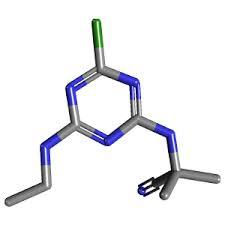
Cyanazine (C9H13ClN6)
Price 100 INR
Minimum Order Quantity : 1 Kilograms
Molecular Formula : C9H13ClN6
Melting Point : 168 C (334 F; 441 K)
Molecular Weight : 240.695 Grams (g)
Usage : Cyanazine is used as a herbicide to control annual grasses and broadleaf weeds. It belongs to the group of triazine herbicides, just as atrazine. These pesticides work by inhibiting photosynthesis. The majority of the cyanazine used is used for corn.

Acetylsalicylic acid for peak identification
Price 100 INR
Minimum Order Quantity : 1 , , Kilograms
Molecular Formula : C9H8O4
Melting Point : 134136 C (lit.)
Molecular Weight : 180.158
Usage : Aspirin is used to reduce fever and relieve mild to moderate pain from conditions such as muscle aches, toothaches, common cold, and headaches. It may also be used to reduce pain and swelling in conditions such as arthritis. Aspirin is known as a salicylate and a nonsteroidal antiinflammatory drug (NSAID).

Dibenzo[a,h]anthracene solution
Price 100 INR
Minimum Order Quantity : 1 Kilograms
Molecular Formula : C22H14
Melting Point : 262 C
Molecular Weight : 278.3 Grams (g)
Usage : Dibenzo(a,h)anthracene is primarily found in gasoline exhaust, tobacco smoke, coal tar, soot and certain food products, especially smoked and barbecued foods. This substance is used only for research purposes to induce tumorigenesis.

 Send Inquiry
Our Products


Kesarkunj, Rm No. 9, Vasanji Lalji Road, Kandivali (W), Mumbai - 400067, Maharashtra, India

Mr Nilesh Shah
(Director)
Mobile :07971189995
 Send Inquiry
 Send SMS
 Call Me Free

Developed and Managed by Infocom Network Private Limited.
