
Call us now :08071630254
 Send Inquiry
 Send Inquiry
Difenoxurone
MOQ : 1 Kilograms
Difenoxurone Specification
- Poisonous
- Yes (handle with care)
- Storage
- Store in cool, dry, and well-ventilated area, away from direct sunlight
- Ph Level
- Neutral (6.0-8.0 in 1% solution)
- EINECS No
- 266-777-8
- Smell
- Odorless
- Molecular Weight
- 304.34 g/mol
- Purity
- 95%
- Appearance
- White crystalline powder
- Product Type
- Insecticide
- Solubility
- Insoluble in water, soluble in most organic solvents
- HS Code
- 38089190
- Shape
- Crystalline
- Usage
- Applied as an insect growth regulator in crop protection
- Melting Point
- 90-92C
- Grade
- Technical
- Properties
- Highly effective insect growth regulator, stable under recommended storage conditions
- Density
- 1.22 Gram per cubic centimeter(g/cm3)
- Structural Formula
- Available on request
- Ingredients
- Difenoxuron (active ingredient)
- CAS No
- 67622-48-0
- Physical Form
- Powder
- Application
- Agricultural pest control
- Shelf Life
- 2 years if properly stored
- Molecular Formula
- C16H20N2O4
- Toxicological Class
- WHO Class III (Slightly hazardous)
- Packaging
- Available in fiber drums or HDPE bags.
- Compatibility
- Compatible with most commonly used pesticides except alkaline substances.
- Mode of Action
- Acts as a chitin synthesis inhibitor disrupting insect molting process.
- Stability
- Stable for two years under recommended storage conditions.
Difenoxurone Trade Information
- Minimum Order Quantity
- 1 Kilograms
- Payment Terms
- Cash Advance (CA), Cash in Advance (CID)
- Supply Ability
- 500 Kilograms, , Per Month
- Delivery Time
- 3-4 Week
- Sample Available
- Yes
- Sample Policy
- Sample costs shipping and taxes has to be paid by the buyer
- Main Export Market(s)
- Western Europe, Eastern Europe, Middle East, South America, Australia, Asia, Central America, North America, Africa
- Main Domestic Market
- All India
About Difenoxurone
Difenoxurone CAS Number 14214-32-5 Empirical Formula (Hill Notation) C16H18N2O3 Molecular Weight 286.33 grade analytical standard form neat application(s) HPLC: suitable gas chromatography (GC): suitable format neatChitin Synthesis Inhibitor for Effective Pest Control
Difenoxurone acts as a specialized inhibitor of chitin synthesis, an essential process for insect growth and molting. By disrupting this pathway, it effectively halts pest development, providing long-term protection for crops. Its selective mode of action makes it a valuable tool for integrated pest management strategies, reducing reliance on more hazardous substances.
Safe Handling and Storage Recommendations
To ensure stability and safety, Difenoxurone must be stored in cool, dry, and well-ventilated areas, away from direct sunlight. The product should be handled with care due to its poisonous nature. When properly stored in fiber drums or HDPE bags, it retains its efficacy for up to two years, guaranteeing optimal performance during its shelf life.
Versatile Compatibility and Application
This product integrates seamlessly with most commonly used pesticides, except those of an alkaline nature. Its insolubility in water but solubility in organic solvents allows flexibility in preparing different application mixtures. Difenoxurone is effectively applied as an insect growth regulator in crop protection, ensuring broad-spectrum pest management in agricultural settings.
FAQs of Difenoxurone:
Q: How does Difenoxurone work to control insect pests?
A: Difenoxurone functions as a chitin synthesis inhibitor, interfering with the development of an insects exoskeleton during molting. This disruption halts the insects growth, ultimately preventing pest populations from maturing and damaging crops.Q: What is the recommended usage process for Difenoxurone in agriculture?
A: Apply Difenoxurone as an insect growth regulator by diluting the powder with suitable organic solvents, as it is insoluble in water. Follow crop protection guidelines specific to your region, and avoid mixing with alkaline substances to maintain effectiveness.Q: When should Difenoxurone be applied during the crop cycle for best results?
A: For optimal impact, use Difenoxurone at the early stages of pest infestation or during periods of active insect growth. Early application helps prevent insects from reaching maturity and causing crop damage.Q: Where should Difenoxurone be stored to maintain its stability?
A: Store Difenoxurone in a cool, dry, and well-ventilated area, away from direct sunlight. Use only fiber drums or HDPE bags, and keep the product out of reach of children and animals to ensure safety and product longevity.Q: What are the benefits of using Difenoxurone in integrated pest management?
A: Difenoxurone offers targeted pest control by interrupting insect growth without affecting crops. Its compatibility with most pesticides enhances integrated pest management, reducing the need for more hazardous chemicals and minimizing resistance development.Q: How do I handle Difenoxurone safely during application and storage?
A: Wear appropriate protective gear such as gloves and a mask, as Difenoxurone is poisonous. Avoid skin or eye contact, and wash thoroughly after handling. Always follow safety instructions and storage guidelines to ensure proper use.Q: Is Difenoxurone compatible with other crop protection products?
A: Yes, Difenoxurone is generally compatible with most commonly used pesticides, provided they are not alkaline in nature. Mixing with alkaline substances can compromise its effectiveness, so always check compatibility before tank mixing.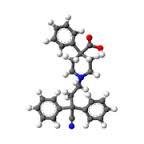
Tell us about your requirement

Price:
Quantity
Select Unit
- 50
- 100
- 200
- 250
- 500
- 1000+
Additional detail
Mobile number
Email

More Products in Analytical Grade Chemicals Category

Vanillyl alcohol
Price 100 INR
Minimum Order Quantity : 1 Kilograms
Molecular Weight : 154.16 Grams (g)
Molecular Formula : C8H10O3
Melting Point : 112115
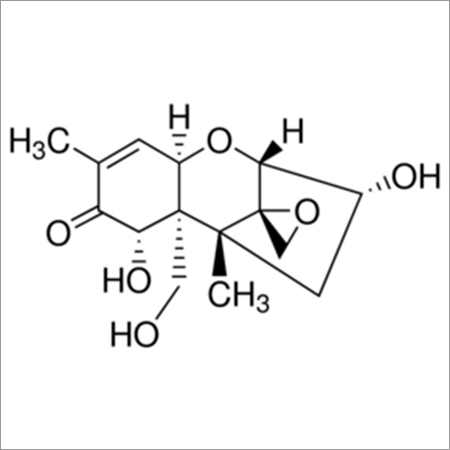
4-Deoxynivalenol in acetonitrile
Price 100 INR
Minimum Order Quantity : 1 Kilograms
Molecular Weight : 296.31 Grams (g)
Molecular Formula : C15H20O6
Purity : 98%
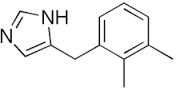
Clenpenterol hydrochloride
Price 100 INR
Minimum Order Quantity : 1 Kilograms
Molecular Weight : : 347.2 Grams (g)
Molecular Formula : C13H19Cl2F3N2O
Purity : 98%
Melting Point : 187189C
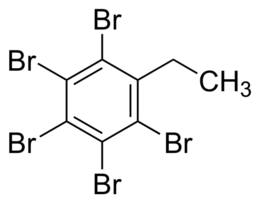
2,3,4,5,6- Pentabromoethylbenzene
Price 100 INR
Minimum Order Quantity : 1 Kilograms
Molecular Weight : 500.64 Grams (g)
Molecular Formula : C8H5Br5
Purity : 98%

 Send Inquiry
Our Products


Kesarkunj, Rm No. 9, Vasanji Lalji Road, Kandivali (W), Mumbai - 400067, Maharashtra, India

Mr Nilesh Shah
(Director)
Mobile :08071630254
 Send Inquiry
 Send SMS
 Call Me Free
Developed and Managed by Infocom Network Private Limited.
