
Call us now :08071630254
 Send Inquiry
 Send Inquiry
EPA 625/CLP Pesticide Mix
EPA 625/CLP Pesticide Mix Specification
- Ingredients
- Blend of pesticides as per EPA Method 625/CLP requirements
- Application
- Pesticide analysis in environmental laboratories
- Properties
- Carefully formulated pesticide mixture for analytical applications
- Smell
- Odorless
- Usage
- Used for calibration and quality control in EPA Method 625/CLP testing
- Molecular Formula
- Not applicable (mixture)
- Appearance
- Clear to slightly yellow liquid
- Solubility
- Soluble in organic solvents
- Ph Level
- Neutral
- Storage
- Store in a cool dry place away from heat and light
- Molecular Weight
- Not applicable (mixture)
- Poisonous
- YES
- Density
- Gram per cubic centimeter(g/cm3)
- CAS No
- Various (depending on components of the mix)
- HS Code
- 3808.91
- Purity
- Formulated for precise analytical needs
- Shelf Life
- Typically 1 year when stored properly
- Physical Form
- Liquid
- Grade
- Analytical grade
- Structural Formula
- Not applicable (mixture)
About EPA 625/CLP Pesticide Mix
EPA 625/CLP Pesticide Mixgrade analytical standard CofA certificate of analysis is enclosed in each package. feature standard type calibration packaging ampule of 1mL concentration 2000g/mL each component in hexane: toluene (1: 1) application(s) HPLC: suitable gas chromatography (GC): suitable suitability suitable for 625 per US EPA suitable for Mar 90, Dec 90, Aug 91 Statement of Work per US EPA format multi-component solution storage temp. 2-8CFAQs of EPA 625/CLP Pesticide Mix:
Q: What is the primary application of EPA 625/CLP Pesticide Mix?
A: The primary application of EPA 625/CLP Pesticide Mix is pesticide analysis in environmental laboratories. It is also used for calibration and quality control in EPA Method 625/CLP testing.Q: What is the physical form and appearance of the product?
A: EPA 625/CLP Pesticide Mix is a liquid that appears clear to slightly yellow.Q: How should EPA 625/CLP Pesticide Mix be stored?
A: The product should be stored in a cool, dry place, away from heat and light to maintain its integrity and shelf life.Q: What is the shelf life of EPA 625/CLP Pesticide Mix?
A: The typical shelf life of the product is 1 year when stored properly.Q: What is the solubility of EPA 625/CLP Pesticide Mix?
A: EPA 625/CLP Pesticide Mix is soluble in organic solvents.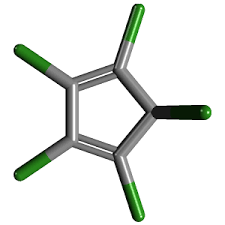
Tell us about your requirement

Price:
Quantity
Select Unit
- 50
- 100
- 200
- 250
- 500
- 1000+
Additional detail
Mobile number
Email

More Products in Analytical Grade Chemicals Category
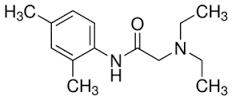
2-(Diethylamino)-N-(2,4-dimethylphenyl)acetamide Hydrochloride (Lidocaine RCI)
Molecular Formula : C14H23ClN2O
Purity : 99.0%
Molecular Weight : 270.80 g/mol
Appearance : White crystalline powder
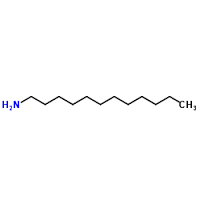
Dodecylamine
Price 100 INR
Minimum Order Quantity : 1 Kilograms
Molecular Formula : C12H27N
Purity : 99%
Molecular Weight : 185.35 Grams (g)
Appearance : Colorless liquid
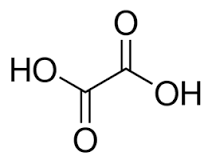
Iodide Standard for IC
Price 100 INR
Minimum Order Quantity : 1 Kilograms
Molecular Formula : I2
Purity : 99%
Molecular Weight : 253.8089 Grams (g)
Appearance : white crystalline solid
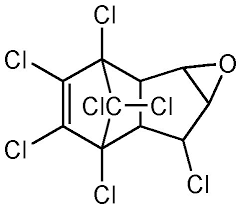
Heptachlor epoxide Isomer A solution
Price 100 INR
Minimum Order Quantity : 1 Kilograms
Molecular Formula : C10H5Cl7O
Purity : 99%
Molecular Weight : 389.3 Grams (g)
Appearance : White to tan solid

 Send Inquiry
Our Products


Kesarkunj, Rm No. 9, Vasanji Lalji Road, Kandivali (W), Mumbai - 400067, Maharashtra, India

Mr Nilesh Shah
(Director)
Mobile :08071630254
 Send Inquiry
 Send SMS
 Call Me Free
Developed and Managed by Infocom Network Private Limited.
