
Call us now :08071630254
 Send Inquiry
 Send Inquiry
EPA Phenols Mixture
MOQ : 1 Kilograms
EPA Phenols Mixture Specification
- Melting Point
- 43.0 oC
- Usage
- Phenol is used to make plastics. Phenol is also used as a disinfectant in household cleaning products and in consumer products such as: mouthwashes. gargles.
- Properties
- 100 Onwards
- Physical Form
- Liquid
- Molecular Formula
- C6H6O
- Molecular Weight
- 94.11 Grams (g)
EPA Phenols Mixture Trade Information
- Minimum Order Quantity
- 1 Kilograms
- Payment Terms
- Cash in Advance (CID), Cash Advance (CA)
- Supply Ability
- 500 Kilograms Per Month
- Delivery Time
- 2-8 Week
- Sample Available
- Yes
- Sample Policy
- Sample costs shipping and taxes has to be paid by the buyer
- Packaging Details
- Carton and Poly Bag.
- Main Export Market(s)
- Western Europe, Middle East, Central America, Africa, South America, Australia, Asia, Eastern Europe, North America
- Main Domestic Market
- All India
About EPA Phenols Mixture
EPA Phenols MixtureCofA certificate of analysis is enclosed in each package. packaging ampule of 1mL concentration in methanol (varied) application(s) HPLC: suitable gas chromatography (GC): suitable suitability suitable for 604 per US EPA suitable for 625 per US EPA format multi-component solution storage temp. room tempFAQs of EPA Phenols Mixture:
Q: What is the physical form of EPA Phenols Mixture?
A: The physical form of EPA Phenols Mixture is liquid.Q: What are the primary uses of phenol in EPA Phenols Mixture?
A: Phenol is used to make plastics and serves as a disinfectant in household cleaning products. It is also used in consumer products such as mouthwashes and gargles.Q: What is the molecular formula of EPA Phenols Mixture?
A: The molecular formula of EPA Phenols Mixture is C6H6O.Q: What is the molecular weight of EPA Phenols Mixture?
A: The molecular weight of EPA Phenols Mixture is 94.11 grams (g).Q: What is the melting point of EPA Phenols Mixture?
A: The melting point of EPA Phenols Mixture is 43.0C.
Tell us about your requirement

Price:
Quantity
Select Unit
- 50
- 100
- 200
- 250
- 500
- 1000+
Additional detail
Mobile number
Email

More Products in Analytical Grade Chemicals Category
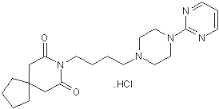
Buspirone hydrochloride
Price 100 INR
Minimum Order Quantity : 1 Kilograms
Molecular Weight : 422 Grams (g)
Melting Point : 1941980C
Usage : Buspirone is an antianxiety medicine that affects chemicals in the brain that may be unbalanced in people with anxiety. Buspirone is used to treat symptoms of anxiety, such as fear, tension, irritability, dizziness, pounding heartbeat, and other physical symptoms.

Trimipramine for peak identification
Price 100 INR
Minimum Order Quantity : 1 Kilograms
Molecular Weight : 294.4 Grams (g)
Molecular Formula : C20H26N2
Melting Point : (°C), 45 °C
Usage : Trimipramine (which is also known by the brand name Surmontil) is a medication most often used to treat depression and other mood disorders. Trimipramine belongs to a class of drugs known as tricyclic antidepressants. It works by restoring the balance of certain chemicals in the brain.
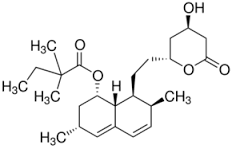
Clarithromycin for peak identification
Price 100 INR
Minimum Order Quantity : 1 , , Kilograms
Molecular Weight : 747.953 Grams (g)
Molecular Formula : C38H69NO13
Usage : Clarithromycin is a macrolide antibiotic that fights bacteria in your body. Clarithromycin is used to treat many different types of bacterial infections affecting the skin and respiratory system. Clarithromycin is also used together with other medicines to treat stomach ulcers caused by Helicobacter pylori.
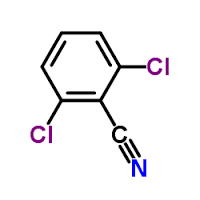
Dichlobenil
Price 100 INR
Minimum Order Quantity : 1 , , Kilograms
Molecular Weight : 172.01 Grams (g)
Molecular Formula : C7H3Cl2N
Melting Point : 144.5 °C
Usage : The herbicide dichlobenil is used to kill unwanted weeds in shrub beds, orchards, and berry fields. It is “among the most toxic chemicals hitherto reported” to nasal tissue. Damage to this tissue reduces smelling ability and the transport of an important amino acid to the brain.

 Send Inquiry
Our Products


Kesarkunj, Rm No. 9, Vasanji Lalji Road, Kandivali (W), Mumbai - 400067, Maharashtra, India

Mr Nilesh Shah
(Director)
Mobile :08071630254
 Send Inquiry
 Send SMS
Developed and Managed by Infocom Network Private Limited.
