
Call us now :08071630254
 Send Inquiry
 Send Inquiry
EPH Surrogate Spiking Solution
EPH Surrogate Spiking Solution Specification
- Refractive Rate
- Not measured
- Shelf Life
- Typically 1 year under recommended storage conditions
- Ingredients
- EPH surrogate compounds in a solvent base such as methanol or water
- Solubility
- Soluble in water and organic solvents like methanol
- Shape
- Liquid form (no specific shape)
- EINECS No
- Mixturecontains components that may have specific EINECS numbers
- Purity
- As per specification typically 99% for individual compounds
- CAS No
- Custom blendspecific CAS numbers provided for individual components
- Density
- 1.0 Gram per cubic centimeter(g/cm3)
- Appearance
- Clear liquid
- Properties
- Used as a spiking standard containing a predefined mixture of surrogate compounds
- Application
- Used for environmental testing quality control and analytical calibration in gas chromatography and mass spectrometry
- Structural Formula
- Depends on the specific surrogates used
- Usage
- Prepared as a reference material for spiking extraction and calibration batches in testing laboratories
- Smell
- Odorless
- Storage
- Store in a cool dry place; keep container tightly sealed away from direct sunlight
- Ph Level
- Neutral (~7)
- Grade
- Analytical grade
- Molecular Formula
- Varies based on composition
- Poisonous
- NO
- HS Code
- 382200
- Physical Form
- Liquid
- Molecular Weight
- Varies depending on the specific surrogate compounds
About EPH Surrogate Spiking Solution
EPH Surrogate Spiking Solutiongrade certified reference material packaging pkg of 1.5mL mfr. no. RTC, UST-118 concentration 2000g/mL in acetone application(s) HPLC: suitable gas chromatography (GC): suitable format matrix materialFAQs of EPH Surrogate Spiking Solution:
Q: What is the application of EPH Surrogate Spiking Solution?
A: EPH Surrogate Spiking Solution is used for environmental testing quality control and analytical calibration in gas chromatography and mass spectrometry.Q: How should EPH Surrogate Spiking Solution be stored?
A: Store the EPH Surrogate Spiking Solution in a cool, dry place. Ensure the container is tightly sealed and kept away from direct sunlight.Q: What is the shelf life of EPH Surrogate Spiking Solution?
A: The shelf life of EPH Surrogate Spiking Solution is typically 1 year under recommended storage conditions.Q: Is the EPH Surrogate Spiking Solution poisonous?
A: No, the EPH Surrogate Spiking Solution is not poisonous.Q: What are the ingredients in EPH Surrogate Spiking Solution?
A: The solution contains EPH surrogate compounds in a solvent base such as methanol or water.Q: What is the molecular weight of EPH Surrogate Spiking Solution?
A: The molecular weight of the solution varies depending on the specific surrogate compounds.Q: Is EPH Surrogate Spiking Solution soluble in water?
A: Yes, the solution is soluble in water and organic solvents like methanol.
Tell us about your requirement

Price:
Quantity
Select Unit
- 50
- 100
- 200
- 250
- 500
- 1000+
Additional detail
Mobile number
Email

More Products in Analytical Grade Chemicals Category
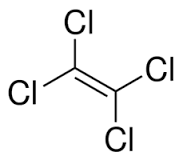
Density Standard 998 kg/m3
Molecular Formula : H2O
Molecular Weight : 18.02 g/mol
Purity : 99.9%
Melting Point : 0C (32F)
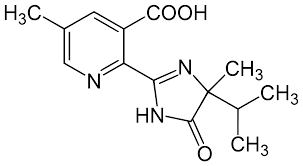
Imazapic
Price 100 INR
Minimum Order Quantity : 1 Kilograms
Molecular Formula : C14H17N3O3
Molecular Weight : 275.303 Grams (g)
Melting Point : (oC), 205
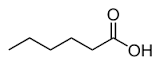
Hexanoic acid
Price 100 INR
Minimum Order Quantity : 1 Kilograms
Molecular Formula : C6H12O2
Molecular Weight : 116.1583
Purity : 95%
Melting Point : −3.4 C (25.9 F; 269.8 K)
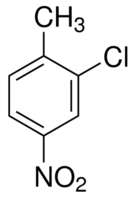
2-Chloro-4-nitrotoluene
Price 100 INR
Minimum Order Quantity : 1 , , Kilograms
Molecular Formula : C7H6ClNO2
Molecular Weight : 171.566 Grams (g)
Purity : 96%
Melting Point : 63C

 Send Inquiry
Our Products


Kesarkunj, Rm No. 9, Vasanji Lalji Road, Kandivali (W), Mumbai - 400067, Maharashtra, India

Mr Nilesh Shah
(Director)
Mobile :08071630254
 Send Inquiry
 Send SMS
 Call Me Free
Developed and Managed by Infocom Network Private Limited.
