
Call us now :08071630254
 Send Inquiry
 Send Inquiry
Ethyl cellulose
MOQ : 1 Kilograms
Ethyl cellulose Specification
- Usage
- Ethyl cellulose is a widely used excipient in pharmaceutical applications. Its use is presently requested in the formulation of food supplements in dry applications e.g. as a controlled release agent and protective colloid and as a thickener/binder in hydrophobic matrices.
- Purity
- 98%
- Molecular Weight
- 454.5 Grams (g)
- Melting Point
- 160°–210°C
- Appearance
- white or light grey free-flowing powder
Ethyl cellulose Trade Information
- Minimum Order Quantity
- 1 Kilograms
- Payment Terms
- Cash in Advance (CID), Cash Advance (CA)
- Supply Ability
- 500 Kilograms Per Month
- Delivery Time
- 3-4 Week
- Sample Available
- Yes
- Sample Policy
- Sample costs shipping and taxes has to be paid by the buyer
- Main Export Market(s)
- Western Europe, Australia, Middle East, Central America, Africa, South America, Asia, Eastern Europe, North America
- Main Domestic Market
- All India
About Ethyl cellulose
Ethyl cellulose is a high-purity excipient with 98% purity, widely appreciated for its pharmaceutical and food supplement applications. It appears as a white or light grey free-flowing powder, ensuring easy handling and integration into various formulations. With a melting point ranging from 160 to 210C and a molecular weight of 454.5 grams (g), Ethyl cellulose excels as a controlled release agent, protective colloid, and thickener/binder. Its hydrophobic matrix compatibility makes it ideal for dry applications, enhancing stability and functionality in end products. Whether used for sustained-release formulations or as a critical ingredient in food supplements, Ethyl cellulose delivers reliable performance and versatility.
FAQs of Ethyl cellulose:
Q: What is the purity level of Ethyl cellulose?
A: Ethyl cellulose offers a high purity level of 98%, ensuring reliable quality and performance.Q: What form does Ethyl cellulose come in?
A: Ethyl cellulose is available as a white or light grey free-flowing powder for easy handling.Q: What is the melting point range of Ethyl cellulose?
A: The melting point range of Ethyl cellulose is 160210C, reflecting its thermal stability.Q: What are some common uses of Ethyl cellulose?
A: Ethyl cellulose is used as a controlled release agent, protective colloid, and thickener/binder, mainly in pharmaceutical formulations and food supplements.Q: What is the molecular weight of Ethyl cellulose?
A: Ethyl cellulose has a molecular weight of 454.5 grams (g).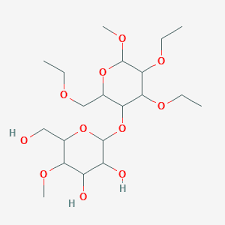
Tell us about your requirement

Price:
Quantity
Select Unit
- 50
- 100
- 200
- 250
- 500
- 1000+
Additional detail
Mobile number
Email

More Products in Analytical Grade Chemicals Category

trans-1,3-Dichloropropene
Price 100 INR
Minimum Order Quantity : 1 Kilograms
Molecular Weight : 110.97 Grams (g)
Molecular Formula : C3H4Cl2
Usage : It is colorless liquid with a sweet smell. It dissolves in water and evaporates easily. It is used mainly in farming as a pesticide, specifically as a preplant fumigant and nematicide. It is widely used in the US and other countries, but is in the process of being phased out in the European Union.
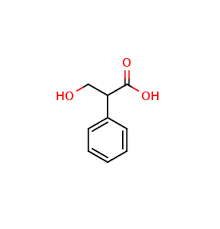
Hyoscine hydrobromide impurity B
Price 100 INR
Minimum Order Quantity : 1 Kilograms
Molecular Weight : 303.353 Grams (g)
Molecular Formula : C17H21NO4
Usage : Hyoscine hydrobromide, or scopolamine, is an anticholinergic. It prevents motion sickness by stopping the messages sent from the vestibular system from reaching the brain. This prevents the brain from sending impulses to the stomach that would normally cause vomiting.
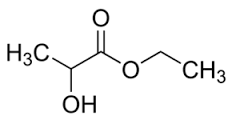
Ethyl lactate
Price 100 INR
Minimum Order Quantity : 1 Kilograms
Molecular Weight : 118.132 Grams (g)
Molecular Formula : C5H10O3
Usage : Ethyl lactate is a flavouring agent. Ethyl lactate, also known as lactic acid ethyl ester, is a monobasic ester formed from lactic acid and ethanol, commonly used as a solvent. This compound is considered biodegradable and can be used as a waterrinsable degreaser.
Purity : 98%
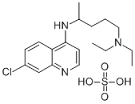
Chloroquine sulfate
Price 100 INR
Minimum Order Quantity : 1 , , Kilograms
Molecular Weight : 319.872 Grams (g)
Molecular Formula : C18H26ClN3
Usage : Chloroquine is used to prevent or treat malaria caused by mosquito bites in countries where malaria is common. Malaria parasites can enter the body through these mosquito bites, and then live in body tissues such as red blood cells or the liver.
Purity : 98%

 Send Inquiry
Our Products


Kesarkunj, Rm No. 9, Vasanji Lalji Road, Kandivali (W), Mumbai - 400067, Maharashtra, India

Mr Nilesh Shah
(Director)
Mobile :08071630254
 Send Inquiry
 Send SMS
 Call Me Free
Developed and Managed by Infocom Network Private Limited.
