
Call us now :08071630254
 Send Inquiry
 Send Inquiry
Fast Yellow AB
MOQ : 1 Kilograms
Fast Yellow AB Specification
- Grade
- Analytical standard
- Usage
- Fast Yellow AB is an azo dye. It used to be used as a food dye, designated in Europe by the E number E105. It is now delisted in both Europe and USA and is forbidden if used in foods and drinks, as toxicological data has shown it is harmful. E105 has been implicated in non-atopic asthma.
- Melting Point
- 102-104°
- Molecular Formula
- C12H11N3O6S2
- Molecular Weight
- 357.36 Grams (g)
Fast Yellow AB Trade Information
- Minimum Order Quantity
- 1 Kilograms
- Payment Terms
- Cash in Advance (CID), Cash Advance (CA)
- Supply Ability
- 500 Kilograms KG Per Month
- Delivery Time
- 2-8 Week
- Sample Available
- Yes
- Sample Policy
- Sample costs shipping and taxes has to be paid by the buyer
- Packaging Details
- Carton and Poly Bag.
- Main Export Market(s)
- Western Europe, Australia, Eastern Europe, Central America, Africa, Middle East, South America, Asia, North America
- Main Domestic Market
- All India
About Fast Yellow AB
Fast Yellow AB Synonym: 4-Amino-1,1-azobenzene-3,4-disulfonic acid sodium salt, Acid Yellow 9 Empirical Formula (Hill Notation): C12H11N3O6S2 Molecular Weight: 357.36 CAS Number: 79873-36-2 Grade Analytical Standard Assay 97.0% (HPLC) Form Neat Shelf Life Limited Shelf Life, Expiry Date On The Label Application(S) Hplc: Suitable Gas Chromatography (GC): Suitable Format NeatFAQs of Fast Yellow AB:
Q: What is the molecular weight of Fast Yellow AB?
A: The molecular weight of Fast Yellow AB is 357.36 grams (g).Q: What is the melting point of Fast Yellow AB?
A: The melting point of Fast Yellow AB is 102-104C.Q: What is the molecular formula of Fast Yellow AB?
A: The molecular formula of Fast Yellow AB is C12H11N3O6S2.Q: What is the grade of Fast Yellow AB?
A: The grade of Fast Yellow AB is Analytical standard.Q: Why is Fast Yellow AB no longer used as a food dye?
A: Fast Yellow AB is no longer used as a food dye because toxicological data has shown that it is harmful, leading to its delisting in both Europe and the USA. It is forbidden for use in foods and drinks and has been implicated in non-atopic asthma.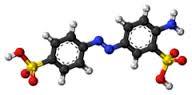
Tell us about your requirement

Price:
Quantity
Select Unit
- 50
- 100
- 200
- 250
- 500
- 1000+
Additional detail
Mobile number
Email

More Products in Analytical Grade Chemicals Category
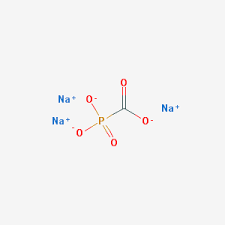
Foscarnet sodium hexahydrate
Price 100 INR
Minimum Order Quantity : 1 Kilograms
Melting Point : >300°C
Appearance : white, crystalline powder
Molecular Weight : 191.95 Grams (g)
Molecular Formula : CNa3O5P
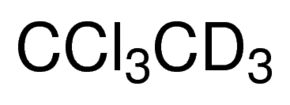
1,1,1-Trichloroethane-2,2,2-d3
Price 100 INR
Minimum Order Quantity : 1 Kiloampere
Melting Point : 33 °C (−27 °F; 240 K)
Appearance : Colorless liquid
Molecular Weight : 133.4 Grams (g)
Molecular Formula : C2H3Cl3
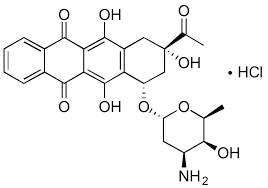
Idarubicin
Price 100 INR
Minimum Order Quantity : 1 Kilograms
Melting Point : >156°C (dec.)
Appearance : Orange to Red Solid
Molecular Weight : 497.494
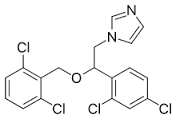
Isoconazole (C18H14Cl4N2O)
Price 100 INR
Minimum Order Quantity : 1 Kilograms
Melting Point : 178186C
Appearance : Solid
Molecular Weight : 416.1 Grams (g)
Molecular Formula : C18H14Cl4N2O

 Send Inquiry
Our Products


Kesarkunj, Rm No. 9, Vasanji Lalji Road, Kandivali (W), Mumbai - 400067, Maharashtra, India

Mr Nilesh Shah
(Director)
Mobile :08071630254
 Send Inquiry
 Send SMS
Developed and Managed by Infocom Network Private Limited.
