
Call us now :08071630254
 Send Inquiry
 Send Inquiry
Fluorescein impurity C
MOQ : 1 Kilograms
Fluorescein impurity C Specification
- Molecular Formula
- C20H12O5
- Melting Point
- 314 C
- Usage
- In ophthalmology, topical application of fluorescein sodium is routinely used for applanation tonometry, and as a vital stain in the documentation of ocular surface disorders such as corneal ulcers, abrasions, or other epithelial defects.
- Solubility
- Slightly
- Molecular Weight
- 332.31 Grams (g)
Fluorescein impurity C Trade Information
- Minimum Order Quantity
- 1 Kilograms
- Payment Terms
- Cash in Advance (CID), Cash Advance (CA)
- Supply Ability
- 500 Kilograms KG Per Month
- Delivery Time
- 2-8 Week
- Sample Available
- Yes
- Sample Policy
- Sample costs shipping and taxes has to be paid by the buyer
- Packaging Details
- Carton and Poly Bag.
- Main Export Market(s)
- Western Europe, Australia, Eastern Europe, Middle East, Central America, Africa, South America, Asia, North America
- Main Domestic Market
- All India
About Fluorescein impurity C
Fluorescein Impurity C is a slightly soluble compound characterized by a high melting point of 314C. It possesses a molecular formula of C20H12O5 with a molecular weight of 332.31 grams. This impurity is widely utilized in ophthalmology for various applications. Specifically, fluorescein sodiuma derivativeis used topically in applanation tonometry and as a vital stain for diagnosing ocular surface conditions such as corneal ulcers, abrasions, and epithelial defects. Its chemical stability and precision make it a valuable resource for clinical use in identifying and addressing ocular surface disorders effectively.
FAQs of Fluorescein impurity C:
Q: What is the main application of Fluorescein Impurity C?
A: Fluorescein Impurity C is used in ophthalmology for applanation tonometry and as a vital stain to diagnose ocular surface conditions such as corneal ulcers, abrasions, and epithelial defects.Q: What is the molecular weight of Fluorescein Impurity C?
A: The molecular weight of Fluorescein Impurity C is 332.31 grams.Q: What is the solubility property of Fluorescein Impurity C?
A: Fluorescein Impurity C is slightly soluble.Q: At what temperature does Fluorescein Impurity C melt?
A: Fluorescein Impurity C has a melting point of 314C.Q: What is the molecular formula of Fluorescein Impurity C?
A: The molecular formula of Fluorescein Impurity C is C20H12O5.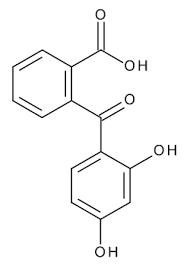
Tell us about your requirement

Price:
Quantity
Select Unit
- 50
- 100
- 200
- 250
- 500
- 1000+
Additional detail
Mobile number
Email

More Products in Analytical Grade Chemicals Category

Benzodiazepine Multi-component Mixture-8 solution
Molecular Weight : Variable (mixture of compounds)
Molecular Formula : Variable (multicomponent mixture)
Appearance : Clear liquid solution
Purity : Defined by specific mixture composition; typically high purity for analytical use
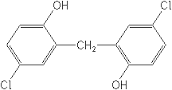
Dichlorophene
Price 100 INR
Minimum Order Quantity : 1 Kilograms
Molecular Weight : 269.12 Grams (g)
Molecular Formula : C13H10Cl2O2
Appearance : white or offwhite powder
Purity : 95%
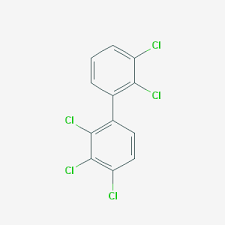
Aroclor 1254 - Silt Loam
Price 100 INR / Kilograms
Minimum Order Quantity : 1 Kilograms
Molecular Weight : 326.4 Grams (g)
Molecular Formula : C12H5Cl5
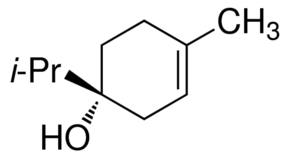
()-Terpinen-4-ol
Price 100 INR
Minimum Order Quantity : 1 , , Kilograms
Molecular Weight : 154.25 Grams (g)
Molecular Formula : C10H18O
Appearance : colourless or pale yellow liquid
Purity : 95%

 Send Inquiry
Our Products


Kesarkunj, Rm No. 9, Vasanji Lalji Road, Kandivali (W), Mumbai - 400067, Maharashtra, India

Mr Nilesh Shah
(Director)
Mobile :08071630254
 Send Inquiry
 Send SMS
 Call Me Free
Developed and Managed by Infocom Network Private Limited.
