
Call us now :08071630254
 Send Inquiry
 Send Inquiry
Fructose
MOQ : 1 Kilograms
Fructose Specification
- Molecular Formula
- C6H12O6
- Melting Point
- 103 C
- Molecular Weight
- 180.16 Grams (g)
- Appearance
- white in colour and in powder
- Usage
- Fructose is sweeter than sugar and so less can be used to sweeten foods and beverages. This helps to reduce calories in foods and drinks when used in appropriate product formulations, and may reduce subsequent arousal of eating. Obesity and diabetes are unlikely to be caused by one particular food or food ingredient.
Fructose Trade Information
- Minimum Order Quantity
- 1 Kilograms
- Payment Terms
- Cash Advance (CA), Cash in Advance (CID)
- Supply Ability
- 500 Kilograms Per Month
- Delivery Time
- 3-4 Week
- Sample Available
- Yes
- Sample Policy
- Sample costs shipping and taxes has to be paid by the buyer
- Main Export Market(s)
- Middle East, Central America, Eastern Europe, South America, Australia, Western Europe, Asia, North America, Africa
- Main Domestic Market
- All India
About Fructose
Fructose Synonym: D-()-Fructose, D-Levulose CAS Number 57-48-7 Empirical Formula (Hill Notation) C6H12O6 Molecular Weight 180.16 form neat mp 119-122C (dec.)(lit.) format neatFAQs of Fructose:
Q: What is the molecular formula of Fructose?
A: The molecular formula of Fructose is C6H12O6.Q: What is the molecular weight of Fructose?
A: The molecular weight of Fructose is 180.16 grams (g).Q: What is the appearance of Fructose?
A: Fructose appears white in color and is available in powder form.Q: What is the melting point of Fructose?
A: The melting point of Fructose is 103 C.Q: Why is Fructose used in food and beverages?
A: Fructose is sweeter than sugar, allowing less to be used to sweeten foods and beverages. It helps reduce calories in products when appropriately formulated.Q: Does Fructose contribute to obesity or diabetes?
A: Obesity and diabetes are unlikely to be caused by any one particular food or ingredient, including Fructose.Q: Can Fructose consumption impact eating behavior?
A: Fructose usage in food formulations may reduce the subsequent arousal of eating.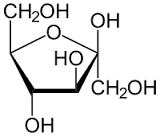
Tell us about your requirement

Price:
Quantity
Select Unit
- 50
- 100
- 200
- 250
- 500
- 1000+
Additional detail
Mobile number
Email

More Products in Analytical Grade Chemicals Category
![Benzo[e]pyrene](https://cpimg.tistatic.com/03505675/b/4/Benzo-e-pyrene.png)
Benzo[e]pyrene
Price 100 INR
Minimum Order Quantity : 1 Kilograms
Molecular Weight : 252.316 Grams (g)
Molecular Formula : C20H12
Melting Point : 178.1C
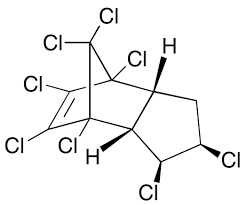
-Chlordane
Price 100 INR
Minimum Order Quantity : 1 Kilograms
Molecular Weight : 409.779 Grams (g)
Molecular Formula : C10H6Cl8
Melting Point : 106 C
Purity : 98%
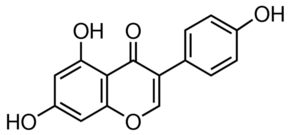
Genistein
Price 100 INR
Minimum Order Quantity : 1 Kilograms
Molecular Weight : 270.241 Grams (g)
Molecular Formula : C15H10O5
Melting Point : (C), 301.5 dec C
Purity : 91.04%
![Dibenzo [a,e]fluoranthene](https://cpimg.tistatic.com/03526148/b/5/Dibenzo-a-e-fluoranthene.jpg)
Dibenzo [a,e]fluoranthene
Price 100 INR
Minimum Order Quantity : 1 Kilograms
Molecular Weight : 302.4 Grams (g)
Molecular Formula : C24H14
Melting Point : 217 C (423 F; 490 K)

 Send Inquiry
Our Products


Kesarkunj, Rm No. 9, Vasanji Lalji Road, Kandivali (W), Mumbai - 400067, Maharashtra, India

Mr Nilesh Shah
(Director)
Mobile :08071630254
 Send Inquiry
 Send SMS
 Call Me Free
Developed and Managed by Infocom Network Private Limited.
