
Call us now :08071630254
 Send Inquiry
 Send Inquiry
Galactose
MOQ : 1 Kilograms
Galactose Specification
- Molecular Formula
- C6H12O6
- Appearance
- White solid
- Usage
- Galactose is a simple sugar that is normally transformed in the liver before being used up as energy. This sugar is quite abundant in human diets and helps in a number of functions. Because galactose is a precursor to glucose production, it is an important energy-providing nutrient.
- Melting Point
- 167 C
- Molecular Weight
- 180.156 Grams (g)
Galactose Trade Information
- Minimum Order Quantity
- 1 Kilograms
- Payment Terms
- Cash in Advance (CID), Cash Advance (CA)
- Supply Ability
- 500 Kilograms KG Per Month
- Delivery Time
- 2-8 Week
- Sample Available
- Yes
- Sample Policy
- Sample costs shipping and taxes has to be paid by the buyer
- Packaging Details
- Carton and Poly Bag.
- Main Export Market(s)
- Western Europe, Australia, Middle East, Central America, Eastern Europe, Africa, South America, Asia, North America
- Main Domestic Market
- All India
About Galactose
GalactosePharmaceutical Secondary Standard; Certified Reference MaterialSynonym: D-(+)-Galactose, GalactoseCAS Number59-23-4Empirical Formula (Hill Notation)C6H12O6Molecular Weight180.16PropertiesRelated CategoriesAdditional Standards,Analytical Standards,Analytical/Chromatography,Carbohydrate Standards,Chromatography,Monosaccharide Standards,Pharmaceutical Secondary Standards,Pharmaceutical and Drug Standards,Pharmacopeia & Metrological Institutes Standards,Secondary Pharmaceutical Standardsgrade certified reference materialpharmaceutical secondary standardInChI Key GZCGUPFRVQAUEE-KCDKBNATSA-Nform neatmp 168-170C(lit.)format neatFAQs of Galactose:
Q: What is the appearance of Galactose?
A: Galactose appears as a white solid.Q: What is the molecular formula of Galactose?
A: The molecular formula of Galactose is C6H12O6.Q: What is the melting point of Galactose?
A: The melting point of Galactose is 167 C.Q: What is the molecular weight of Galactose?
A: The molecular weight of Galactose is 180.156 grams (g).Q: What is the primary usage of Galactose?
A: Galactose is a simple sugar that is transformed in the liver before being used as energy. It is abundant in human diets and serves as a precursor to glucose production, playing a crucial role as an energy-providing nutrient.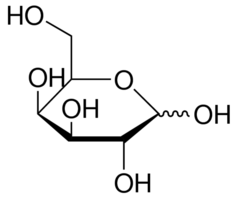
Tell us about your requirement

Price:
Quantity
Select Unit
- 50
- 100
- 200
- 250
- 500
- 1000+
Additional detail
Mobile number
Email

More Products in Analytical Grade Chemicals Category
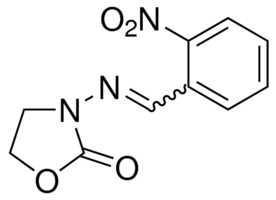
2-NP-AOZ
Molecular Weight : 100.08 g/mol
Molecular Formula : C3H4N2O2
Purity : 99%
Usage : Widely used as a reagent in lab studies including food safety testing
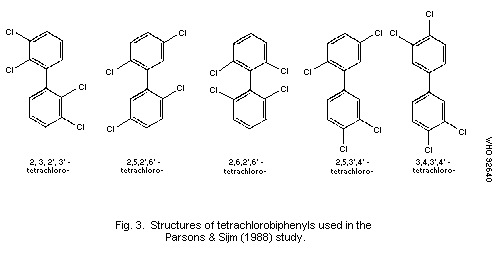
Aroclor 1221 - Sandy Loam
Price 100 INR / Kilograms
Minimum Order Quantity : 1 Kilograms
Molecular Weight : 326.4 Grams (g)
Molecular Formula : C12H5Cl5
Purity : 95%
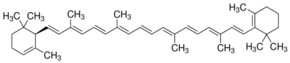
-Carotene
Price 100 INR
Minimum Order Quantity : 1 Kilograms
Molecular Weight : 536.8726 Grams (g)
Molecular Formula : C40H56
Purity : 95%
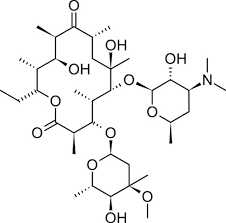
Erythromycin B
Price 100 INR
Minimum Order Quantity : 1 Kilograms
Molecular Weight : 717.9 Grams (g)
Molecular Formula : CHNO
Purity : 96%
Usage : Erythromycin is used to treat a wide variety of bacterial infections. It may also be used to prevent certain bacterial infections. Erythromycin is known as a macrolide antibiotic. It works by stopping the growth of bacteria.

 Send Inquiry
Our Products


Kesarkunj, Rm No. 9, Vasanji Lalji Road, Kandivali (W), Mumbai - 400067, Maharashtra, India

Mr Nilesh Shah
(Director)
Mobile :08071630254
 Send Inquiry
 Send SMS
Developed and Managed by Infocom Network Private Limited.
