
Call us now :08071630254
 Send Inquiry
 Send Inquiry
Gasoline Additives Mix
MOQ : 1 Kilograms
Gasoline Additives Mix Specification
- Smell
- Mild solvent odor
- Purity
- >= 99%
- Storage
- Store in a cool, dry, and well-ventilated place. Keep container tightly closed.
- Grade
- Industrial
- Melting Point
- Below -20C
- HS Code
- 38119000
- Shelf Life
- 24 months in original container
- Density
- 0.88 Gram per cubic centimeter(g/cm3)
- Physical Form
- Liquid
- Poisonous
- NO
- Product Type
- Gasoline Additive
- Usage
- Add directly to fuel tank as per dosage instruction
- Refractive Rate
- 1.40-1.50
- Ingredients
- Detergents, dispersants, corrosion inhibitors, antioxidants, anti-knock agents
- Structural Formula
- Blend not applicable
- Molecular Formula
- Confidential/Proprietary Blend
- Appearance
- Clear yellow liquid
- Application
- Automotive gasoline engines, fuel treatment plants
- Solubility
- Insoluble in water; soluble in hydrocarbons
- Molecular Weight
- Not determined
- Shape
- Liquid
- Properties
- Improves combustion efficiency, cleans fuel injectors, reduces emissions, enhances octane rating.
- Flash Point
- >60C
- Precaution
- Avoid contact with skin and eyes. Use in a well-ventilated area.
- Environmental Impact
- Does not contain lead, phosphates, or heavy metals
- Colour
- Light yellow
- Viscosity
- 2-5 mm2/s at 20C
- Instructions
- Shake well before use. Follow dosage for optimal results.
- Compatibility
- Compatible with unleaded and leaded gasoline
- Packaging Size
- 200 ml, 500 ml, 1 L, 5 L, 20 L, 200 L drums
- Boiling Point
- >150C
Gasoline Additives Mix Trade Information
- Minimum Order Quantity
- 1 Kilograms
- Payment Terms
- Cash in Advance (CID), Cash Advance (CA)
- Supply Ability
- 500 Kilograms Per Month
- Delivery Time
- 3-4 Week
- Sample Available
- Yes
- Sample Policy
- Sample costs shipping and taxes has to be paid by the buyer
- Main Export Market(s)
- Western Europe, Australia, Eastern Europe, Middle East, Central America, Africa, South America, Asia, North America
- Main Domestic Market
- All India
About Gasoline Additives Mix
Gasoline Additives Mix
200 g/mL each component in methanol, analytical standard
Properties
| Related Categories | Additional Standards, Analytical Standards,Analytical/Chromatography, Chromatography, EPA, |
| grade | analytical standard |
| CofA | certificate of analysis is enclosed in each package. |
| feature | standard type calibration |
| packaging | ampule of 1 mL |
| concentration | 200 g/mL each component in methanol |
| application(s) | HPLC: suitable |
| gas chromatography (GC): suitable | |
| format | multi-component solution |
| storage temp. | 2-8C |
Enhanced Fuel Performance
The additive helps enhance the overall performance of gasoline engines by promoting more effective combustion, reducing engine deposits, and cleaning fuel injectors. Its unique blend of industrial-grade detergents and anti-knock agents leads to smoother engine operation and improved fuel economy.
Environmental Responsibility
Formulated without lead, phosphates, or heavy metals, this gasoline additive supports cleaner air and safer handling. Its advanced ingredients work to decrease harmful emissions and reduce environmental impact when used in automotive and fuel treatment applications.
Safety and Storage Guidance
For best results and safety, always shake well before use and add the product directly to the fuel tank following the recommended dosage. Store in a cool, dry, and well-ventilated space while keeping the container tightly closed. Avoid contact with skin and eyes, and use it only in ventilated areas.
FAQs of Gasoline Additives Mix:
Q: How should I use the gasoline additive mix for my vehicle?
A: Shake the container well before use and add the required amount directly into your fuel tank, following the dosage instructions provided on the label to ensure optimal performance and benefits.Q: What benefits does this additive offer for gasoline engines?
A: The additive improves combustion efficiency, cleans fuel injectors, reduces harmful emissions, and enhances octane rating, leading to smoother engine operation and potentially better fuel economy.Q: When is the best time to apply the gasoline additive mix?
A: For maximum effectiveness, add the additive mix before refueling your vehicle or at each scheduled fuel system treatment interval, as recommended by your manufacturer or service professional.Q: Where should I store the gasoline additive containers?
A: Store the product in a cool, dry, and well-ventilated area. Always keep the container tightly closed to preserve its effectiveness and prevent accidental spills or evaporation.Q: What precautions should I take while handling this product?
A: Avoid contact with skin and eyes, and always use the additive in a well-ventilated space to minimize exposure. Wear suitable protective gear if necessary, and wash hands thoroughly after use.Q: Is this gasoline additive environmentally safe?
A: Yes, the product does not contain lead, phosphates, or heavy metals, making it a safer choice for environmental protection while enhancing fuel performance.Q: Can the gasoline additive be used with both unleaded and leaded fuels?
A: Yes, this additive is compatible with both unleaded and leaded gasoline types, making it suitable for a wide range of vehicles and equipment.
Tell us about your requirement

Price:
Quantity
Select Unit
- 50
- 100
- 200
- 250
- 500
- 1000+
Additional detail
Mobile number
Email

More Products in Analytical Grade Chemicals Category

Valsartan for system suitability
Price 100 INR
Minimum Order Quantity : 1 Kilograms
Melting Point : 83 88C
Molecular Formula : C24H29N5O3
Molecular Weight : 435.5 Grams (g)
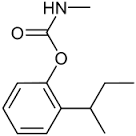
Fenobucarb
Price 100 INR
Minimum Order Quantity : 1 Kilograms
Melting Point : 32C
Molecular Formula : C12H17NO2
Molecular Weight : 207.27 Grams (g)
Purity : 97%

Trazodone hydrochloride
Price 100 INR
Minimum Order Quantity : 1 Kilograms
Melting Point : 231 C
Molecular Formula : C19H23Cl2N5O
Molecular Weight : 408.3 Grams (g)
Purity : 99%
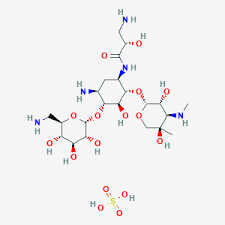
Isepamicin sulfate
Price 100 INR
Minimum Order Quantity : 1 Kilograms
Melting Point : 235242C
Molecular Formula : C22H45N5O16S
Molecular Weight : 667.7 Grams (g)
Purity : 95%

 Send Inquiry
Our Products


Kesarkunj, Rm No. 9, Vasanji Lalji Road, Kandivali (W), Mumbai - 400067, Maharashtra, India

Mr Nilesh Shah
(Director)
Mobile :08071630254
 Send Inquiry
 Send SMS
Developed and Managed by Infocom Network Private Limited.
