
Call us now :08071630254
 Send Inquiry
 Send Inquiry
Gasoline in Soil by WI Method
Gasoline in Soil by WI Method Specification
- Smell
- Characteristic petroleum odor
- CAS No
- 8006-61-9 (generic gasoline CAS number)
- Structural Formula
- Mixed aliphatic and aromatic hydrocarbons
- Application
- Environmental testing contamination analysis
- Usage
- Used for detecting and quantifying gasoline contamination in soil samples
- HS Code
- 2710.12
- Molecular Formula
- Varies (mixture of hydrocarbons typically C4-C12)
- Ingredients
- Hydrocarbons (aliphatic and aromatic including benzene toluene and xylene)
- Appearance
- Clear pale yellow to amber liquid
- Physical Form
- Liquid
- Grade
- Environmental Testing Grade
- Storage
- Store in a cool dry and well-ventilated place away from ignition sources
- Shape
- Liquid; shape not applicable
- Ph Level
- Neutral or slightly acidic depending on contamination
- Refractive Rate
- Typically 1.39 - 1.42
- Density
- 0.77 Gram per cubic centimeter(g/cm3)
- Molecular Weight
- Varies depending on composition
- Poisonous
- YES
- Solubility
- Insoluble in water; soluble in organic solvents
- Purity
- Not applicable (complex mixture)
- Properties
- Volatile; flammable; mixture with specific variations in composition
- EINECS No
- 232-349-1
- Shelf Life
- 12 months under proper storage conditions
About Gasoline in Soil by WI Method
Gasoline in Soil by WI MethodPropertiesRelated CategoriesAdditional Standards,Analytical Standards,Analytical/Chromatography,Certified Reference Materials (CRMs),Environmental Matrix CRMs (RTC),Matrix CRMs,Matrix Materials Standards,Soil Matrix CRMs,Soil QC - Organic & Hydrocarbon CRMsmfr. no. RTC, SQC-008WIconcentration in methanolapplication(s) HPLC: suitablegas chromatography (GC): suitableformat matrix materialstorage temp. 2-8CFAQs of Gasoline in Soil by WI Method:
Q: What is the application of Gasoline in Soil by WI Method?
A: Gasoline in Soil by WI Method is used for detecting and quantifying gasoline contamination in soil samples, particularly in environmental testing and contamination analysis.Q: What are the storage requirements for Gasoline in Soil by WI Method?
A: This product should be stored in a cool, dry, and well-ventilated place away from ignition sources.Q: What is the physical appearance and smell of Gasoline in Soil by WI Method?
A: The product appears as a clear pale yellow to amber liquid with a characteristic petroleum odor.Q: Is Gasoline in Soil by WI Method soluble in water?
A: No, it is insoluble in water, but it is soluble in organic solvents.Q: What is the shelf life of Gasoline in Soil by WI Method?
A: The product has a shelf life of 12 months under proper storage conditions.Q: What type of hydrocarbons are present in Gasoline in Soil by WI Method?
A: The product contains a mixture of aliphatic and aromatic hydrocarbons, including benzene, toluene, and xylene, and the molecular formula typically ranges between C4 to C12.
Tell us about your requirement

Price:
Quantity
Select Unit
- 50
- 100
- 200
- 250
- 500
- 1000+
Additional detail
Mobile number
Email

More Products in Analytical Grade Chemicals Category
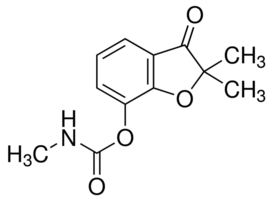
Carbofuran-3-keto
Molecular Formula : C12H15NO3
Molecular Weight : 221.26 g/mol
Melting Point : 152153C
Purity : 98%

Vinblastine sulfate
Price 100 INR
Minimum Order Quantity : 1 Kilograms
Molecular Formula : C46H60N4O13S
Molecular Weight : 909.1 Grams (g)
Melting Point : >200°C (dec.)

Cyclizine impurity A
Price 100 INR
Minimum Order Quantity : 1 Kilograms
Molecular Formula : C18H23ClN2
Molecular Weight : 302.8 Grams (g)
Purity : 98%
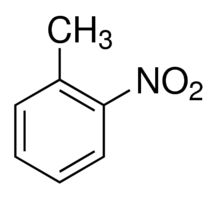
2-Nitrotoluene
Price 100 INR
Minimum Order Quantity : 1 , Kilograms
Molecular Formula : C7H7NO2
Molecular Weight : 137.136 Grams (g)
Melting Point : −10.4 °C (13.3 °F; 262.8 K)
Purity : 90%

 Send Inquiry
Our Products


Kesarkunj, Rm No. 9, Vasanji Lalji Road, Kandivali (W), Mumbai - 400067, Maharashtra, India

Mr Nilesh Shah
(Director)
Mobile :08071630254
 Send Inquiry
 Send SMS
Developed and Managed by Infocom Network Private Limited.
